Bank of America (NYSE: BAC) has agreed to pay $2.25 million to settle a class-action lawsuit accusing the nation's second-largest bank of charging customers duplicate out-of-network ATM fees at 7-Eleven locations. The settlement, which was reached in the long-running case of Schertzer v. Bank of America, N.A., offers potential payouts to affected customers while the bank maintains it did nothing wrong. For investors, the settlement amount represents a negligible financial hit for the $330 billion market cap giant, but the case highlights ongoing regulatory and reputational risks in consumer banking fee practices.
Inside the Lawsuit: How Double Fees Triggered a Class Action
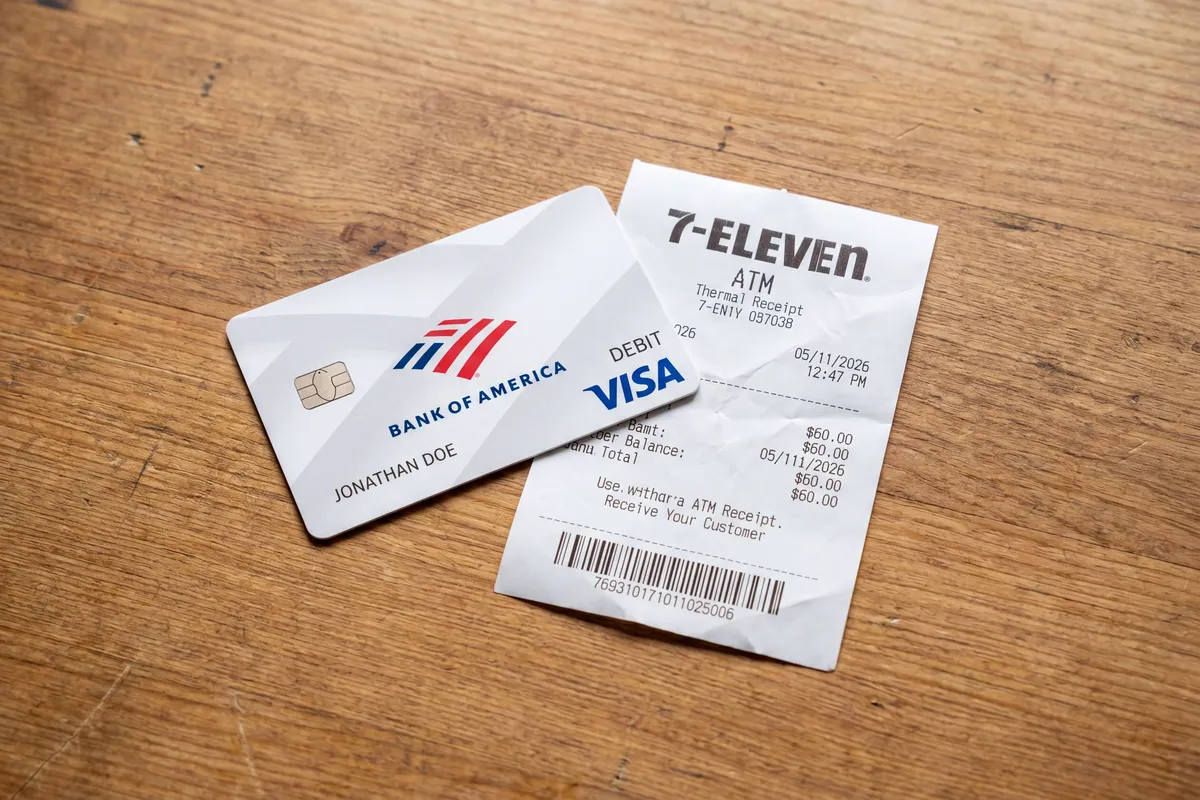
The class-action lawsuit, originally filed in 2019 in the United States District Court for the Southern District of California (Case No. 3:19-cv-00264-DMS-MSB), alleged that Bank of America breached its customer contracts by charging two separate out-of-network balance inquiry fees for a single transaction at ATMs owned and operated by FCTI, Inc. inside 7-Eleven stores. According to court documents, customers who used these ATMs to check their balance were charged the out-of-network fee twice — once for the inquiry itself and once for what the bank claimed was a separate processing step. The practice affected customers between May 1, 2018, and November 16, 2021. Bank of America has denied all allegations of wrongdoing but agreed to the settlement to avoid the cost and uncertainty of continued litigation, a standard disclaimer in class-action resolutions.
Timeline: From Disputed Fees to Settlement Agreement
The road to this settlement spans nearly a decade. It began in May 2018 when Bank of America customers first started being charged double out-of-network fees at FCTI-operated 7-Eleven ATMs. In February 2019, lead plaintiff Schertzer filed the class-action complaint in California federal court, sparking years of legal battles. By July 2024, the Ninth Circuit Court of Appeals had weighed in on jurisdictional matters in the case. The breakthrough came in May 2026 when the settlement agreement was finalized and announced. The claim deadline is set for June 29, 2026, with a final fairness hearing scheduled for August 21, 2026, before Judge Dana M. Sabraw. Payments to eligible class members will be distributed only after the court grants final approval and any potential appeals are resolved.
What the $2.25M Settlement Means for Bank of America's Bottom Line
For investors evaluating the financial impact, the numbers tell a clear story: $2.25 million is a rounding error for Bank of America, which reported over $25 billion in net income in 2024 alone. The settlement fund allocates up to $675,000 (30%) for attorneys' fees, $35,000 for litigation costs, and $25,000 as a service award to the class representative. The remainder — roughly $1.5 million — will be distributed pro rata among eligible class members. Current Bank of America account holders who qualify will receive automatic payments without filing a claim, while past account holders must submit a claim by the June 29 deadline. Despite the minimal direct financial impact, analysts note that consumer fee litigation carries broader implications. Banks have faced increasing scrutiny over fee practices, from overdraft charges to ATM fees, and regulatory pressure from the Consumer Financial Protection Bureau (CFPB) continues to mount. This settlement underscores the importance of transparent fee structures for long-term shareholder value.
Where Things Stand Now: Who Qualifies and How to Claim
As of May 2026, the settlement is open for claims. Eligible class members include any Bank of America account holder — current or former — who was charged more than one out-of-network balance inquiry fee during a single visit to an FCTI-owned ATM inside a 7-Eleven store between May 1, 2018, and November 16, 2021. Importantly, individuals who already received payment from the related Weiss v. FCTI Inc. settlement are not eligible. Current account holders need take no action; their payments will be distributed automatically if the settlement receives final court approval. Past account holders must file a claim online at the official settlement website (oonfeesettlement.com) or mail a paper claim form to the settlement administrator, Kroll Settlement Administration, at PO Box 225391, New York, NY 10150-5391. The exact payout amount per person will depend on the total number of claimants, as all participants receive an equal pro rata share of the net settlement fund.
What's Next: The Road Ahead for BAC Stock and Consumer Fee Litigation
Looking ahead, the final approval hearing on August 21, 2026, will be a key milestone. If the court approves the settlement, payments will follow after any appeal periods expire. For Bank of America investors, the more significant story lies beyond this specific case. The banking sector is navigating a shifting landscape where consumer fee income — once a reliable revenue stream — faces mounting legal and regulatory challenges. Bank of America has already reduced its reliance on overdraft fees in recent years, and this settlement may encourage further fee structure reviews across the industry. Wall Street analysts will be watching to see whether similar lawsuits emerge targeting other major banks, which could signal a broader trend affecting sector profitability. For now, BAC remains a solid holding in many portfolios, supported by strong net interest income and a diversified revenue base.
Key Takeaways for Investors
- Financial impact is minimal: $2.25 million is less than 0.01% of Bank of America's annual net income, making this a non-event from a financial perspective
- Eligible customers may receive payouts: Current account holders get automatic payments; past customers must file by June 29, 2026
- Broader trend to watch: Consumer fee litigation is an ongoing risk for the banking sector that could eventually pressure fee-based revenue streams
- Bank of America denied wrongdoing: The settlement is not an admission of liability, and the bank continues to maintain its fee practices were proper
- Final approval expected in August 2026: The court will consider the settlement at a fairness hearing on August 21, 2026