The AI sector stock selloff that had been building on Wall Street for weeks erupted into a full-scale rout on Friday, October 30, 2026, when a weak forecast from Intel and a capital-spending surprise from Amazon confirmed investors' worst fear: Big Tech's enormous bet on artificial intelligence is burning through cash far faster than it is generating returns.
The Nasdaq Composite slid 2.9% to close at 25,437.00, sealing its worst month since March 2025, while the tech-heavy Nasdaq-100 sank 3.5%. The S&P 500 fell 1.8% to 7,579.97 and the blue-chip Dow Jones Industrial Average shed 572 points, or 1.1%, to 51,770 — a clear sign that the damage was concentrated in the AI and technology names that had powered the market higher all year. Since reaching an all-time closing high on October 6, the Nasdaq has now dropped 7.8%.
How the Rout Unfolded: Amazon and Intel Spark the Meltdown
The trigger came after Thursday's closing bell, when two of the market's most-watched companies delivered quarterly results that rattled investors.
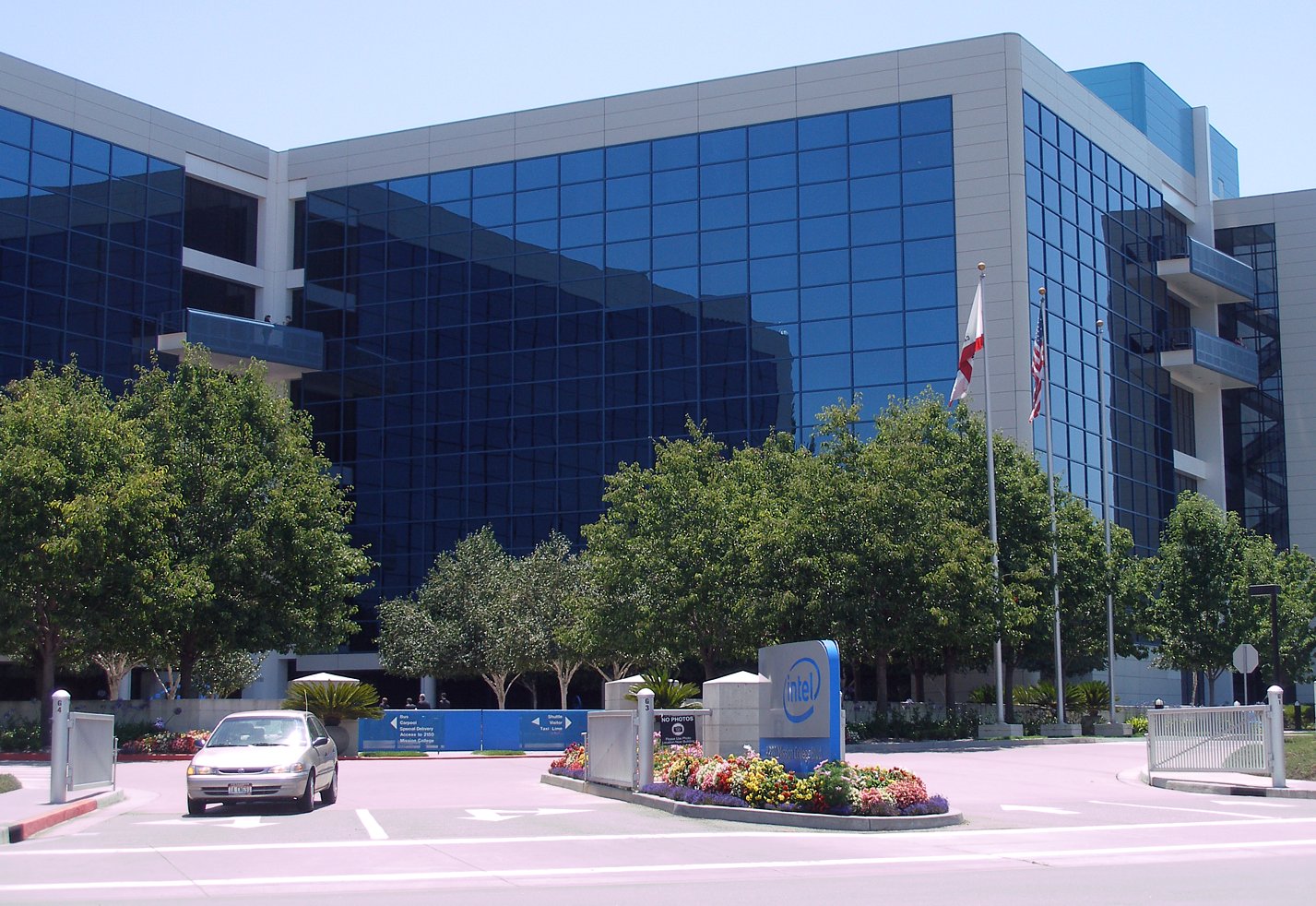
Intel posted adjusted third-quarter earnings of 52 cents per share, beating the 40 cents analysts expected, with revenue climbing 21% to $16.5 billion. But the chipmaker's outlook for the fourth quarter — sales of $15 billion to $16 billion, well below the roughly $17 billion Wall Street had projected — sent the stock into a tailspin. Intel shares plunged 28.58% to $65.76 on Friday, their steepest one-day decline since 1974, erasing more than $100 billion in market value and wiping about $12 billion off the value of the U.S. government's stake in the company. The collapse deepened Intel's October losses to roughly 45%.
Amazon also disappointed. The company reported earnings of $1.89 per share, missing the $1.97 analysts expected, on revenue of $201.9 billion that rose 12% but fell just short of forecasts. AWS cloud revenue grew 39%, yet the e-commerce giant raised its 2026 capital-expenditure guidance to about $220 billion — up from the $200 billion it had already signaled — as it pours money into AI data centers even as its core retail business grows at its slowest pace in years. Amazon shares fell roughly 7% in after-hours trading and remained under pressure Friday; at one point Amazon and Intel together erased roughly $300 billion in premarket value.
The selling quickly rippled across the chip and AI complex. Nvidia dropped 4.2% and AMD also declined, while cloud and AI-infrastructure names came under further pressure after Meta reported cash burn in its own September quarter just a week earlier.
From Record High to Rout: The October Timeline
October's selloff did not happen overnight. It was the culmination of a month in which investors' patience with AI spending finally ran out.
- October 6: The Nasdaq closes at an all-time high, with semiconductor and AI names leading the charge.
- Mid-October: Investors begin buying credit-default swaps to hedge against a potential downturn in the AI sector — an early signal that anxiety over debt-fueled spending was building beneath the surface.
- October 22: AI stocks slide worldwide as surging datacenter and chip costs weigh on sentiment; the Nasdaq tumbles 2.6%.
- October 29, after the close: Amazon and Intel report. Intel's weak guidance and Amazon's rising capital spending send both stocks lower in extended trading.
- October 30: The selloff accelerates in the worst day for U.S. stocks since June. The Nasdaq falls 2.9% and the S&P 500 drops 1.8%. By month's end, Intel has lost about 45%, CoreWeave 38%, and Alphabet 18%.
Why AI Spending Fears Finally Caught Up With the Market
The common thread running through October's decline is a single question investors can no longer ignore: when will the hundreds of billions of dollars being poured into artificial intelligence actually pay off?
AI-related spending is now approaching $1 trillion across the industry. The four biggest hyperscalers — Alphabet, Amazon, Meta, and Microsoft — signaled roughly $650 billion in combined capital expenditures for 2026, nearly all of it tied to data centers, chips, and AI infrastructure. UBS pegs global AI capital spending at $571 billion this year, and Goldman Sachs projects hyperscaler outlays will surge to $1.4 trillion between 2025 and 2027.

Much of that spending has been financed with debt, a shift that has turned once cash-rich, debt-light tech giants into major borrowers — and made investors increasingly uneasy. As margin debt has swollen past $1.4 trillion and companies have leaned on credit markets to fund chip purchases, some investors have begun buying protection against a downturn. The fear is straightforward: if AI revenue does not grow fast enough to justify the outlay, companies could be left holding expensive infrastructure that generates weak returns — especially if AI equipment becomes obsolete or rental prices fall before that spending is recouped.
The irony is that the rout has unfolded against a backdrop of economic strength. U.S. GDP grew at a 3.4% annualized rate in the third quarter, and non-AI sectors have held up well — the Dow is on track for its biggest monthly lead over the Nasdaq since 2022. That rotation out of AI-heavy growth stocks and into value shows the problem is not the economy, but the size and timing of the AI bet itself.
Where Markets Stand After the Selloff
As November begins, the Nasdaq is nursing its steepest monthly loss since March 2025, down more than 5% for October and sitting near its lowest level in almost three months. Amazon has pared some of its losses but remains well below its summer highs, while Intel is trading at levels not seen in decades as it grapples with weakening PC demand on top of an expensive AI turnaround.

The breadth of the selling has raised a harder question: whether the AI trade — the dominant market theme of the past three years — is beginning to unwind. Yet even as tech shares slide, the underlying buildout shows no sign of slowing. Capital-expenditure forecasts keep climbing, and Intel itself raised its 2026 spending plan by $2 billion even as its stock collapsed, citing demand for its PC and AI data-center chips.
What Comes Next for AI Stocks
Strategists are divided on the road ahead. Some warn that chip and AI-infrastructure stocks could face a further correction of 15% to 20% if investors keep demanding proof of returns before the spending shows up in earnings. Others argue the selloff is overdone and a buying opportunity, noting that AI demand remains robust and leaders such as Nvidia have continued to post strong results even as sentiment has soured.
The next major test will come from the companies themselves. As the remaining Big Tech giants report earnings and update their capital-spending plans in the weeks ahead, investors will watch closely for any sign that the AI investment cycle is peaking — or that revenue growth is finally catching up with the spending.
The Bottom Line: Key Takeaways From October's AI Selloff
- AI and tech stocks led a sharp October selloff, with the Nasdaq dropping 7.8% from its October 6 record close and sliding more than 5% for the month.
- Intel's weak fourth-quarter guidance triggered its worst single-day plunge since 1974, down 28.58% and roughly 45% for October.
- Amazon's rising capital spending — now around $220 billion for 2026 — stoked fears that AI investment is outpacing returns.
- The selloff reflects concerns about AI spending discipline, not the broader economy, which grew at a 3.4% annualized rate in the third quarter.
- Investors now face a defining question: will the AI buildout deliver profits, or a costly hangover?