As Middle East tensions escalate and global oil markets react, American drivers are facing a sudden surge in gas prices that has sent the national average soaring toward $3.60 per gallon—and Costco Wholesale has issued an urgent warning to its members about what's coming next. The warehouse retailer's CFO Gary Millerchip revealed that the conflict in Iran has created "the biggest threat to stable prices for the rest of the fiscal year," with gasoline potentially reaching $3.70 per gallon in the coming days. For investors and consumers alike, this development isn't just about pain at the pump—it's about understanding how Costco's unique business model transforms rising fuel costs into both membership value and potential stock outperformance.
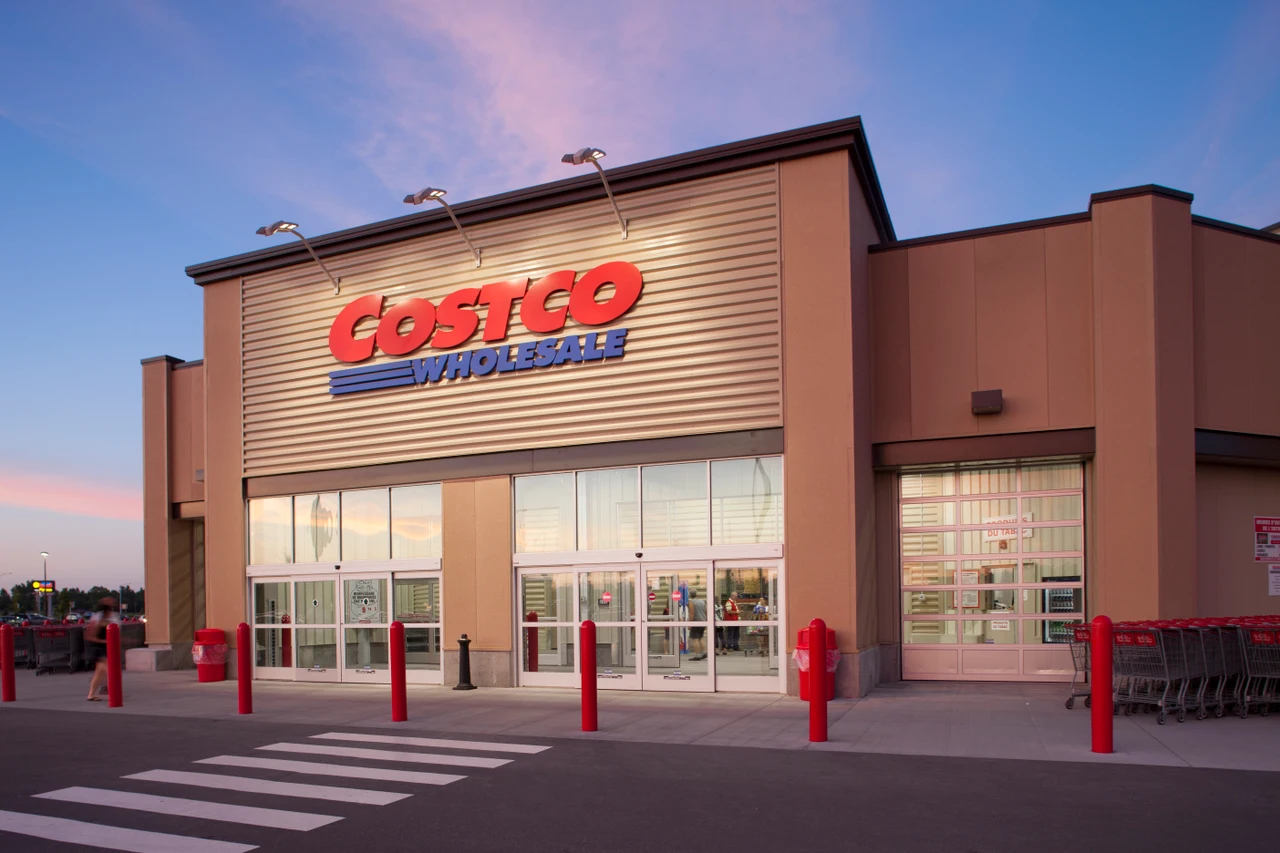
How the Middle East Conflict Is Reshaping Costco's Fuel Business
The sudden spike in gas prices traces directly to escalating tensions in the Middle East, where conflict in Iran has disrupted global oil flows and pushed crude prices into the mid-$70s per barrel range. Costco's financial leadership team quickly recognized the implications, with the company's CFO warning that "the situation in the Middle East could impact fuel costs and shipping schedules if there is instability in the region." This isn't just theoretical—analysts project that sustained conflict could add 25 to 50 cents per gallon to already rising prices, potentially pushing the national average toward $4 per gallon by weekend.
What makes this situation particularly significant for Costco investors is the company's strategic positioning in the fuel market. While traditional gas stations must immediately pass along wholesale price increases, Costco operates on a different model. The warehouse club typically sells gasoline for about $0.20 per gallon less than nearby stations, and this price advantage can be even larger in competitive markets. As Business Insider reported this week, "Average US gas prices topped $3.60 this week. Costco, meanwhile, sells gas for about $0.20 less than nearby stations." This structural advantage becomes increasingly valuable as prices rise, driving more consumers to seek out Costco's pumps and creating a virtuous cycle of increased store traffic and membership renewals.
Timeline: How Gas Prices Went From Stable to Surging in Weeks
The rapid acceleration in fuel costs has caught many consumers by surprise. Just one month ago, the national average for regular gasoline stood at $2.94 per gallon—a full 66 cents below current levels. The jump represents one of the steepest monthly increases in recent years, with some regions seeing nearly 50-cent spikes in just four weeks. The timeline of events reveals how quickly the situation deteriorated:
- Early February 2026: Gas prices remained relatively stable at around $3.00 per gallon nationally, with seasonal adjustments typical for the period.
- February 20-27: Initial Middle East tensions began affecting oil markets, adding approximately 10-15 cents per gallon.
- March 1-7: Escalating conflict in Iran pushed crude prices higher, with gasoline following suit, reaching $3.25 per gallon.
- March 8-14: Costco issued its formal warning to members about rising fuel costs, noting that prices could reach $3.50-$3.70 per gallon.
- March 15-present: Current projections suggest potential $4 per gallon prices if diplomatic solutions aren't reached.
This rapid escalation has transformed what was typically a spring price adjustment into a genuine economic concern, with implications for consumer spending, inflation metrics, and retail business models.
Why Rising Gas Prices Actually Strengthen Costco's Investment Thesis
Conventional wisdom suggests that rising fuel costs would hurt a retailer like Costco through increased shipping expenses and potential consumer spending pullbacks. However, the company's unique business model turns this narrative on its head. During a livestreamed interview last Thursday, CFO Gary Millerchip revealed that "Costco sees a consumer who remains willing to spend when the value is clear, even as shoppers navigate uncertainty around tariffs, gas prices and the broader economy." This resilience stems from Costco's value proposition—when prices rise elsewhere, members increasingly turn to Costco for savings.
The mathematics of membership becomes compelling during periods of high gas prices. A standard Costco Gold Star membership costs $60 annually. If a member saves $0.20 per gallon on gasoline and purchases just 300 gallons per year (approximately one fill-up every 10 days for an average vehicle), they've already recouped their entire membership fee in fuel savings alone. As Yahoo Finance noted, "Costco's gas can be worth a membership. If you assume $0.20 per gallon in gas savings, simple math shows that buying 300 gallons of gas pays for your $60 membership." This calculation becomes even more attractive for families with multiple vehicles or drivers who commute longer distances.
From an investment perspective, this creates a powerful feedback loop: higher gas prices drive more consumers to Costco fuel stations, increased fuel traffic leads to more store visits, additional store visits generate higher merchandise sales, and improved financial performance supports stock price appreciation. This dynamic helps explain why Costco's stock (COST) has risen 16% this year while the S&P 500 has declined 2.5% over the same period.
Where Things Stand Now: Costco's Current Position in the Fuel Market
Despite the challenging environment, Costco's leadership remains confident in their strategy. The company continues to expand its fuel business, with new locations offering longer hours and enhanced convenience features. Digital integration has become increasingly important, with over 40% of new memberships now originating through online channels—though the company acknowledges that digital members initially renew at lower rates and requires focused engagement efforts.
On the financial front, Costco's most recent quarterly results demonstrated remarkable resilience. The company reported net sales of $68.24 billion for the second quarter of fiscal 2026, representing a 9.1% increase from the same period last year. Comparable sales grew 7.4% (6.7% excluding fuel), indicating strong underlying business performance beyond just gasoline revenue. The fuel business itself showed only "low to mid single digit" declines year-over-year in gallons sold, suggesting that price-per-gallon changes rather than volume reductions were the primary factor.
Perhaps most tellingly, Costco's management emphasized during their earnings call that they would consider passing along any tariff refunds to consumers through price reductions—a commitment to their value proposition that reinforces member loyalty even in uncertain times.
What Happens Next: Navigating the Fuel Price Landscape
Looking forward, several scenarios could unfold for gas prices and Costco's strategic response. If diplomatic efforts succeed in de-escalating Middle East tensions, oil prices could stabilize or even retreat, providing relief at the pump. However, most energy analysts consider this the less likely outcome in the near term. More probable is continued volatility with prices fluctuating between $3.50 and $4.00 per gallon through the spring and summer driving seasons.
For Costco, this environment presents both challenges and opportunities. On the operational side, the company must manage its fuel procurement carefully to maintain its price advantage while protecting margins. Strategically, however, sustained higher prices could accelerate several positive trends:
- Enhanced membership value perception: As consumers become more price-sensitive, Costco's fuel savings become more prominent in membership decisions.
- Increased store traffic frequency: Members visiting for gas are more likely to make additional purchases, boosting average transaction values.
- Competitive differentiation: Traditional retailers without fuel operations cannot match this draw, giving Costco a unique advantage.
- Renewal rate support: Members who regularly use Costco gas are statistically more likely to renew their memberships.
The company's continued expansion of its fuel business—including new locations, extended hours, and technology upgrades—suggests management views this segment as a critical component of long-term growth.
The Bottom Line: Key Takeaways for Investors and Consumers
The intersection of rising gas prices and Costco's business model reveals important insights for both investors and consumers. For members, the message is clear: Costco's fuel discount represents one of the most tangible benefits of membership, particularly during periods of price volatility. Simple calculations show that moderate gasoline usage alone can justify the annual fee, with additional savings on groceries, household goods, and other purchases representing pure upside.
For investors, Costco's performance during this period of fuel price escalation demonstrates the resilience of its model and the power of its value proposition. The company's ability to transform what would be a headwind for most retailers into a competitive advantage speaks to exceptional strategic positioning. With the stock already outperforming the broader market this year and fundamental business metrics remaining strong, Costco appears well-positioned to navigate continued uncertainty.
As CFO Gary Millerchip summarized, "Costco members remain consistently willing to spend on both staples and discretionary items when value and quality are evident." In an environment where gas prices are rising and economic uncertainty persists, that value proposition becomes more compelling than ever—for consumers filling their tanks and investors evaluating their portfolios alike.