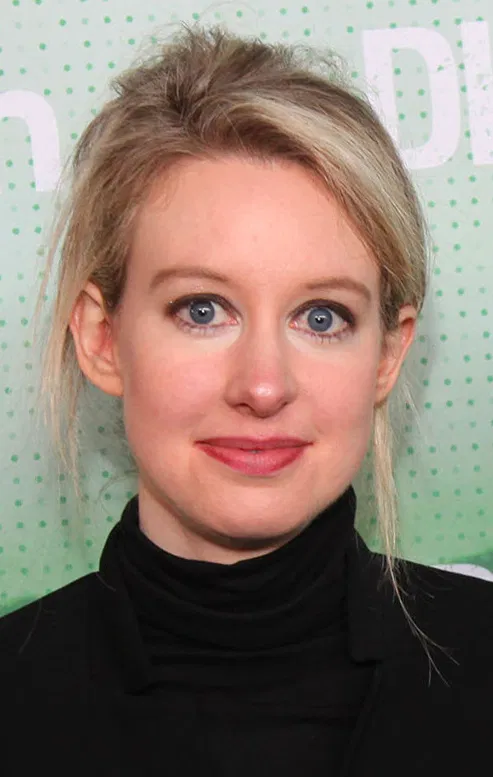
Elizabeth Holmes — the Theranos founder who was once America's youngest self-made female billionaire — is back in the headlines, and this time the story carries an uncomfortable lesson for investors: a company can raise $700 million, reach a $9 billion valuation, and still be built on a lie.
At the Telluride Film Festival on September 6, 2026, distributor A24 revealed one of the festival's best-kept secrets: a 174-minute documentary titled "You Can See Everything," quietly directed by comedian Nathan Fielder ("The Rehearsal") and filmmaker Lance Oppenheim. The surprise screening chronicles Holmes in the 34 days before she reported to federal prison — and then follows her for three more years.
The Secret Film That Put Theranos Back in the Spotlight
The documentary's premise is as strange as the fraud it documents. According to the film's billing, Holmes invited Fielder and Oppenheim's crew to document her life in the weeks before she began serving her sentence for defrauding investors. What begins as an intimate portrait becomes, in the film's own words, "a mind-bending three-year journey."
Fielder, known for his deadpan, meta approach to comedy, reportedly lived with Holmes and her family in the days leading up to her imprisonment. "I really am struggling to this day to understand exactly what I experienced," Fielder said, according to Vanity Fair's report on the secret screening.
Early reviews have been striking. Deadline's Pete Hammond called the film "shocking" and "like no other you have ever seen," while Variety's Owen Gleiberman described it as "a shameless, fascinating, reality-TV-eats-its-tale look at entitled duplicity." A24 plans a theatrical release in October 2026, alongside a teaser trailer.
From $9 Billion Valuation to Fraud Conviction: The Timeline
For investors who lived through the Theranos saga, the documentary is a reminder of how one of Silicon Valley's most audacious frauds unfolded — and how many sophisticated people missed it.
Holmes founded Theranos in 2003 after dropping out of Stanford, pitching a device that could run dozens of lab tests from a single drop of blood. By 2014, the company was valued at $9 billion, and Forbes named Holmes the world's youngest self-made female billionaire.
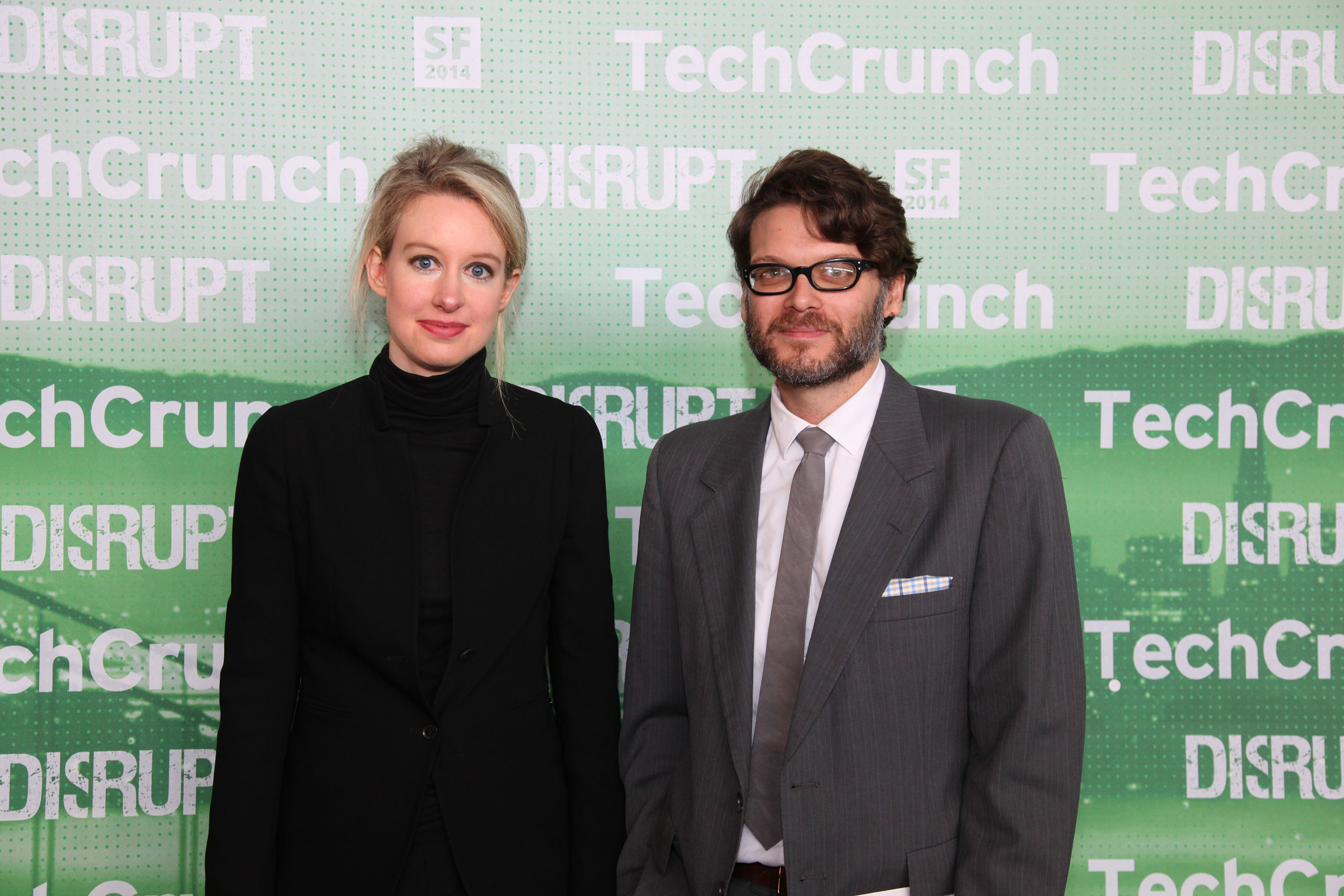
What made Theranos credible wasn't its science — it was its connections. The company's board included former Secretary of State Henry Kissinger, former Secretary of State George Shultz, former Defense Secretary James Mattis, and future Education Secretary Betsy DeVos. That roster of Washington power brokers lent the startup an aura of legitimacy that its blood-testing technology never actually earned.
The collapse began in October 2015, when Wall Street Journal reporter John Carreyrou published the first of a series of investigations revealing that Theranos' "Edison" device produced inaccurate results — and that the company was secretly using commercially available machines for most of its testing. By 2016, Forbes had revised Holmes' net worth to zero. In 2018, the SEC charged Holmes and former COO Ramesh "Sunny" Balwani with raising $700 million from investors through a fraud built on false claims about the technology's accuracy. The company dissolved that same year.
The $700 Million Question: What Theranos Teaches Every Investor
The numbers behind the Theranos fraud are a case study in how startup hype can overwhelm basic due diligence. Holmes and Balwani were ordered to pay $452 million in restitution, and court records identified 12 investor-victims in the fraud.
Here is the twist that should make every retail investor sit up: In March 2026, a federal judge reduced Holmes' sentence from 135 months to 123 months — a full year — after finding "no evidence that any of the 12 investor-victims in the $452 million Theranos fraud suffered substantial financial hardship," as InvestmentNews reported. The finding is a stark reminder of who actually absorbs losses in private startup investing: wealthy individuals and family offices who could afford the hit, while the due-diligence lessons belong to everyone.
Several red flags were visible long before Carreyrou's reporting, to anyone who looked closely:
- No independent verification. Theranos' core claims were never published in peer-reviewed journals or validated by independent labs.
- A board built on politics, not science. Theranos' directors were legendary statesmen and generals — not one had a background in laboratory medicine or diagnostics.
- Secrecy over transparency. The company operated in "stealth mode" for a decade and tightly controlled what outsiders and even employees were allowed to see.
- A founder who dodged the hard questions. When pressed on technical specifics, Holmes reportedly pivoted to grand vision rather than detail — a classic red flag in any pitch.
The Theranos story is ultimately a warning that valuation is not the same as value. A company can be worth $9 billion on paper — backed by marquee names — and still have a product that doesn't work.
Where Elizabeth Holmes Stands Today
Holmes was convicted in January 2022 on four counts of wire fraud and conspiracy to commit wire fraud against investors, while being acquitted of charges tied to defrauding patients. She reported to Federal Prison Camp Bryan in Texas on May 30, 2023, to begin her 11¼-year sentence.
After the March 2026 reduction, her sentence stands at 123 months, with good-conduct credits pushing her projected release date to roughly December 2031. She remains incarcerated and, according to multiple reports, continues to maintain her innocence and pursue appeals.
What Comes Next
"You Can See Everything" opens in theaters in October 2026. The film is expected to reignite interest in the Theranos case just as Holmes' appeals continue and she approaches the back half of her sentence.
For investors, the timing is useful. The documentary is a reminder that the most expensive mistakes in investing rarely come from bad markets — they come from failing to verify the story you are being sold, no matter how convincing the storyteller or how impressive the names on the board.
Key Takeaways
- Nathan Fielder and Lance Oppenheim secretly made "You Can See Everything," a documentary about Elizabeth Holmes that premiered at Telluride on September 6, 2026, and opens in theaters in October.
- Theranos raised $700 million from investors and reached a $9 billion valuation before its collapse; Holmes and Balwani were ordered to pay $452 million in restitution to 12 investor-victims.
- In March 2026, a judge cut Holmes' sentence by a year after finding the investor-victims suffered no substantial financial hardship.
- The Theranos case remains a masterclass in due diligence: verify the technology, not just the names attached to it.