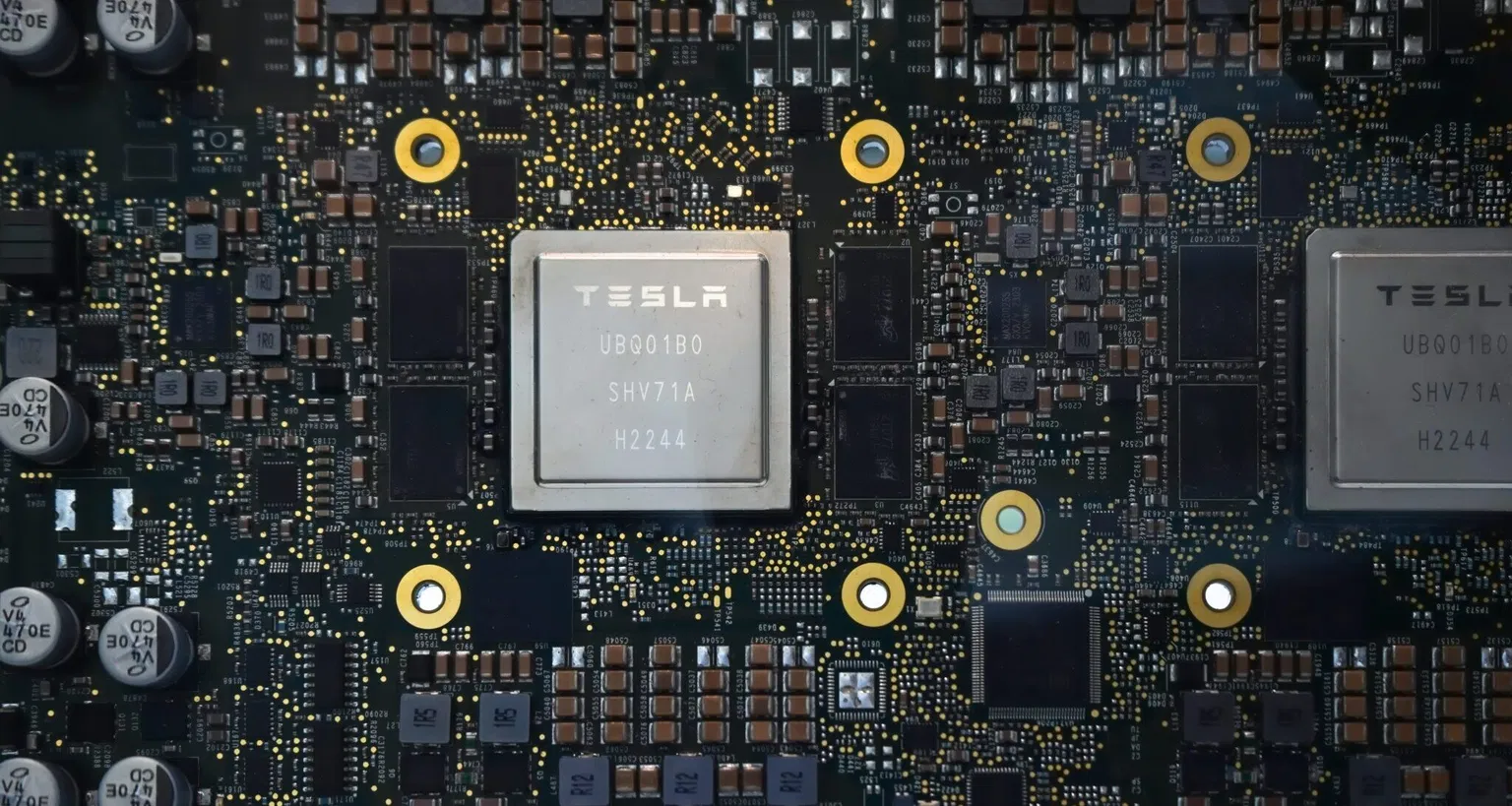
Elon Musk has delivered what could be the strongest vote of confidence for Nvidia (NASDAQ: NVDA) investors in 2026. Across multiple public statements, earnings calls, and regulatory filings, the billionaire entrepreneur has made it crystal clear: his companies are not walking away from Nvidia. In fact, they are doubling down.
Between Tesla's freshly raised $25 billion capital expenditure plan for AI infrastructure, SpaceX's blockbuster IPO that could raise up to $75 billion, and Musk's own personal endorsement of Nvidia CEO Jensen Huang, the message is unmistakable. Musk's empire intends to keep buying Nvidia chips "at scale" for the foreseeable future.
Inside Musk's Nvidia Commitment: What Was Said and When
On March 18, 2026, Musk took to social media late Wednesday to address one of the most persistent questions hanging over Nvidia stock: would Tesla and SpaceX eventually replace Nvidia chips with their own in-house hardware? His answer was emphatic. In a post that rippled through Wall Street, Musk stated that SpaceX AI and Tesla "expect to continue ordering Nvidia chips at scale."
Just days later, speaking at an event following Nvidia's GTC 2026 conference, Musk went further. He described himself as a "huge admirer" of Nvidia CEO Jensen Huang, a remark Reuters and Yahoo Finance both characterized as a significant easing of investor concerns that Nvidia's largest customers might begin defecting to custom-built alternatives. Musk's comments came at a critical moment, as Nvidia's stock had been under pressure amid fears that big tech companies—including Musk's own—were developing proprietary chips that could reduce reliance on Nvidia's dominant GPUs.
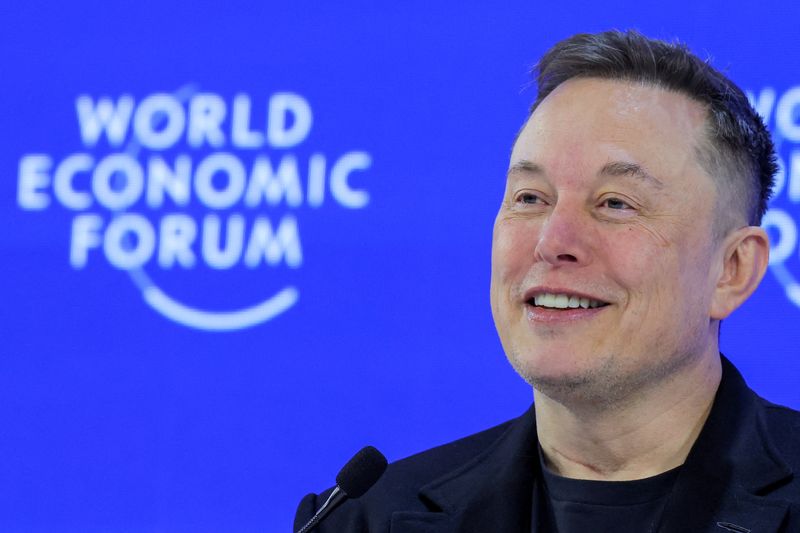
"Musk's comments ease concerns about Nvidia losing major AI customers," Yahoo Finance reported on March 21, noting that Nvidia's stock had zoomed during 2023-2025 as everyone chased generative AI, but had begun to face headwinds in 2026 as hyperscalers like Google, Amazon, and Microsoft accelerated their own chip efforts.
Timeline: How Musk's Nvidia Narrative Developed
March 18, 2026 — Musk publicly declares SpaceX AI and Tesla will continue ordering Nvidia chips at scale, sending a clear signal to markets that his companies remain committed customers. The statement comes via a social media reply that Investing.com and Reuters both report as a market-moving event.
March 19, 2026 — Automotive World reports that even as the Terafab project officially launches—a joint venture between SpaceX, xAI, and Tesla to build advanced chip manufacturing facilities in Austin, Texas—Musk insists Nvidia orders will continue. "Tesla to maintain Nvidia orders despite in-house chip push," the publication headlines.
March 21, 2026 — Musk calls himself a "huge admirer" of Jensen Huang and states that Tesla and SpaceX AI are not looking to fully replace Nvidia hardware. Yahoo Finance reports the comments ease fears of Nvidia losing a key AI customer.
April 22, 2026 — Tesla's Q1 2026 earnings call. Revenue of $22.4 billion misses estimates slightly, but earnings per share beat expectations. The big news: Tesla lifts its 2026 capital expenditure plan by a quarter to over $25 billion, nearly triple the prior year's $8.5 billion. Musk explicitly ties the increase to AI training infrastructure, the Optimus humanoid robot program, and autonomous driving compute needs—all heavy consumers of Nvidia GPUs.
April 23, 2026 — Reuters reports exclusively that SpaceX's S-1 IPO filing warns of chip supply risks and high capital expenditures, but also confirms plans to continue purchasing Nvidia chips at massive scale while its in-house Terafab project ramps up over several years.
May 2-3, 2026 — The Motley Fool publishes analysis estimating the SpaceX IPO will create a $75 billion spending spree, with Nvidia and a handful of AI chip companies as the primary beneficiaries. Rolling Out publishes "How Elon Musk made Nvidia's bull case stronger," noting Musk's spending comments confirm Tesla's AI ambitions are accelerating, not moderating.
Why Musk's Comments Are a Bigger Deal Than They Seem
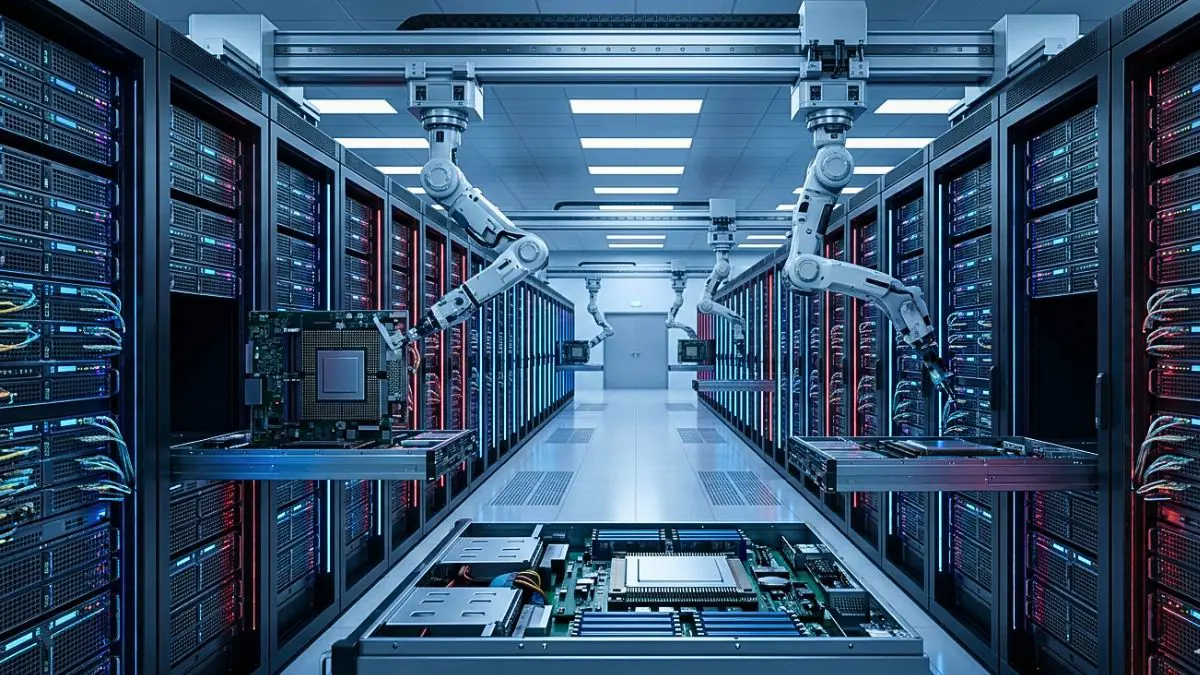
To understand the significance of Musk's Nvidia commitment, one must look at the scale of what's coming. Tesla alone plans to spend over $25 billion on capital expenditures in 2026—up from $8.5 billion in 2025. A substantial portion of that increase is earmarked for AI compute infrastructure, which historically has meant Nvidia GPUs.
"Tesla is projecting a significant increase in investments, partly to fund its AI agenda," the Motley Fool reported on May 2. "This could help the company scale a pair of potentially massive opportunities: robotaxis and the Optimus humanoid robot." Both applications require enormous amounts of AI training compute, the kind best served by Nvidia's H100 and next-generation B200 GPUs.
Then there's SpaceX. The company's confidential IPO filing, revealed by Reuters on April 23, values the company at up to $1.75 trillion and aims to raise between $50 billion and $75 billion—making it the largest IPO in history. According to the Motley Fool's analysis, a significant portion of that capital will flow directly into Nvidia's coffers as SpaceX builds out AI infrastructure for its Starlink constellation, satellite communications, and the xAI integration. "Elon Musk recently stressed that SpaceX will continue buying Nvidia's chips 'at scale' for some time," the Fool noted.
Combined, the spending from Tesla's capex increase and SpaceX's IPO proceeds could funnel tens of billions of dollars toward Nvidia over the next 2-3 years, even as Musk's Terafab project works toward producing in-house alternatives. As Rolling Out summarized on May 3: "Musk's spending comments confirm that Tesla's AI ambitions are accelerating, not moderating. For Nvidia, that's a powerful demand signal."
Where Things Stand Now: Musk's Nvidia Endorsement Meets Market Reality
Despite the overwhelmingly bullish signals from Musk, Nvidia's stock has not responded with the enthusiasm one might expect. On May 2, AInvest reported that Nvidia stock had fallen below its 200-day moving average, as "Musk endorsement fails to offset valuation reality ahead of earnings." The stock has been caught between the gravitational pull of its massive 2023-2025 run-up and the reality that even good news may already be priced in.
Analysts remain divided. Some point to the sheer scale of Musk's commitments as a near-term catalyst that the market is underestimating. Others caution that the Terafab project and similar initiatives from other hyperscalers represent an existential long-term threat to Nvidia's pricing power and market share.
What's not in dispute is the near-term demand picture. Reuters reported on April 21 that Nvidia is set to invest up to $100 billion in OpenAI and supply it with data center chips, in a deal giving the chipmaker a financial stake in the AI leader. Combined with Musk's continued purchasing commitments, the demand floor for Nvidia's products appears solid through at least 2027.
What Happens Next: The Road Ahead for Nvidia and Musk's Empire
The most important development to watch is the SpaceX IPO timeline. With the company targeting a listing as early as June 2026, the influx of $50-75 billion in IPO proceeds could create a massive and immediate catalyst for Nvidia chip orders. "Fund managers are planning strategies for raising cash to grab shares of Elon Musk's space company," The Information reported, noting the IPO could spark significant portfolio rebalancing across the tech sector.
Meanwhile, Tesla's capex ramp is already in motion. The company's plan to deploy Optimus humanoid robots in its factories and launch a robotaxi service in multiple cities will require AI training capacity that only Nvidia can currently supply at scale. IndexBox reported on May 3 that "comments from Tesla CEO Elon Musk have been interpreted as a positive signal for Nvidia" and that "artificial intelligence has become central to Tesla's strategy."
The wildcard remains the Terafab project. If SpaceX, xAI, and Tesla can successfully produce competitive AI chips at scale, it could reduce dependence on Nvidia over the longer term. But Musk himself has acknowledged that the timeline for Terafab is measured in years, not months. Until then, the message from Musk is clear: Nvidia remains the engine powering his AI ambitions.
The Bottom Line: Key Points to Remember
- Musk confirmed continued Nvidia purchases — SpaceX AI and Tesla will buy Nvidia chips at scale, with no immediate plans to fully replace them with in-house alternatives
- $25B Tesla capex boost — Tesla's 2026 capital spending plan, nearly triple 2025 levels, will direct billions toward AI infrastructure requiring Nvidia GPUs
- $75B SpaceX IPO catalyst — The largest IPO in history could funnel massive capital into Nvidia chip purchases for AI compute buildout
- Terafab is complementary, not a replacement — Musk's in-house chip project is years away from production; Nvidia remains essential in the interim
- Market remains cautious — Despite all the bullish signals, Nvidia stock has struggled to maintain momentum, trading below its 200-day moving average as valuation concerns persist