
Generating a steady stream of income without trading more of your time for a paycheck has become one of the hottest conversations in personal finance this year. Income investing — building a portfolio designed to pay you regularly through dividends, interest, and distributions — has moved from a niche retirement tactic into the mainstream as savers look for ways to outpace inflation and cover rising living costs. At its core, the strategy is simple: put your money to work so it pays you back, month after month.
Financial experts define passive income as money earned with little to no ongoing labor, and the single most popular way to generate it is investing in the stock market. Dividends — the cash payments corporations hand back to their shareholders — sit at the center of that playbook. The question every income investor is asking right now is which payouts are actually safe, and which are built on what one editor bluntly calls "rickety foundations."
Why Income Investing Is Having a Moment
Income investing has surged in popularity because the math finally works in the saver's favor again. A dividend is a portion of a company's profit distributed to its owners, and for decades, mature businesses with reliable cash flows have used them to reward shareholders. According to The Motley Fool, "a steadily rising, robust dividend that is well supported by growing profits and cash can indicate a company's financial health and reward investors for their ownership." That combination of income and safety is exactly what investors want in a choppy market.
The appeal goes deeper than yield. Passive income is defined as unearned income acquired with little to no labor, and it "can be a way of creating financial independence and early retirement, because the beneficiary will receive an income regardless of whether they are materially active in the activity creating the revenue." In plain terms, dividend income keeps flowing even when you stop working — which is precisely why the topic of income has been trending this year.
Portfolio income, the category that covers dividends, interest, capital gains, and some royalties, has become the engine behind this movement. Investors aren't just chasing a paycheck from their employer anymore; they're building a second paycheck from their assets.

The Safest Dividend Stocks for Reliable Income
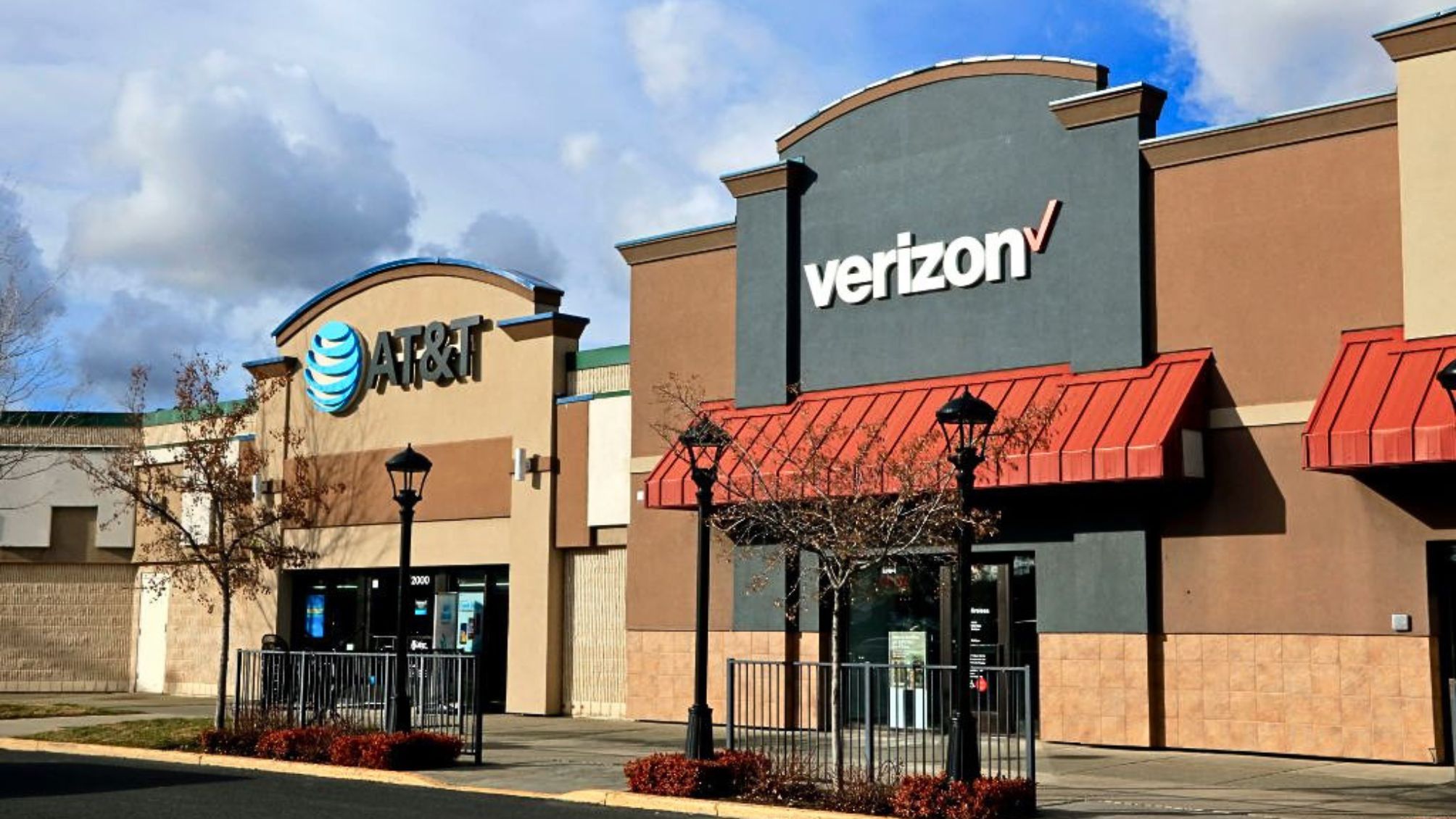
Not every high yield is worth chasing. Kiplinger contributor Kyle Woodley, editor-in-chief of WealthUp, warns that "generous yields are sometimes built on rickety foundations," but he notes that the above-average yields from genuinely safe dividend stocks are "well-covered." His list of five safe dividend stocks for high, reliable income, updated in September 2026, includes telecommunications stalwart Verizon Communications (VZ) and communications-infrastructure giant American Tower (AMT), alongside other cash-generative names such as AT&T, Eastman Chemical, and Fidelity National Financial.
The Motley Fool takes a similar quality-first approach. In its "9 Best Dividend Stocks to Buy and Hold for September 2026," analysts recommend a diversified basket spanning energy, tech, retail, and real estate: Chevron (CVX), Clearway Energy (CWEN), Target (TGT), Starbucks (SBUX), Brookfield Infrastructure (BIPC), Microsoft (MSFT), Lowe's (LOW), Realty Income (O), and American Express (AXP). The common thread is stable cash flows from mature industries that keep paying through market cycles.
The takeaway from both lists is consistent: the best income investments aren't the ones with the flashiest yields, but the ones whose payouts are protected by durable, growing earnings. A dividend is only as reliable as the profits supporting it.
How to Build an Income Portfolio That Lasts
Experts agree that successful income investing comes down to three disciplines. First, prioritize quality and yield together — a fat dividend means nothing if the company can't sustain it. Second, diversify across sectors with stable cash flows so that no single industry can sink your income stream. Third, evaluate dividend sustainability based on a company's historical earnings growth rather than its current payout alone.
Beyond individual stocks, passive income can be generated through index funds, bonds, and real estate investment trusts, all of which are popular precisely because they require little day-to-day effort. The underlying principle never changes: the income you collect should be backed by durable profits, not borrowed money or one-time windfalls.
For beginners, the smartest first step is often a low-cost, diversified index fund — the most popular form of passive income — before layering in individual dividend payers. That way, you capture broad market income while you learn to evaluate individual companies on their own merits.
What to Watch Before You Buy
Income investing isn't without risk. A dividend that looks generous on paper can be cut the moment a company's earnings stumble, and chasing the highest yield often leads investors into troubled businesses. Dividend payments also fluctuate with share price, so a stock can decline in value even as it continues paying. That's why analysts repeatedly stress checking payout ratios and earnings history before committing capital.
Taxes matter too. Portfolio income — dividends, interest, and capital gains — is often taxed differently from wages, and knowing whether your dividends qualify for lower long-term rates can meaningfully change your net return. Some investors also try to hide active income as passive income to lower their tax bill, but regulators treat the categories separately.
The Road Ahead for Income Investors
As investors move through 2026, the income investing playbook is unlikely to change dramatically. Mature, cash-rich companies in sectors like telecom, utilities, energy, and consumer staples are expected to remain the backbone of income portfolios. The bigger shift is behavioral: more investors are treating dividend income not as a side benefit but as a core financial goal, pairing it with retirement planning and financial independence strategies.
For those just starting, the path is straightforward — begin with diversified, low-cost funds, then layer in quality dividend payers as your portfolio grows. The goal isn't to get rich overnight, but to build a paycheck that doesn't depend on your boss.
The Bottom Line: Key Takeaways
- Income investing uses dividends, interest, and distributions to generate passive cash flow with minimal ongoing effort.
- Passive income is widely considered a path to financial independence and early retirement.
- Quality matters more than yield — a well-covered dividend backed by growing profits signals financial health.
- Top income picks for 2026 include Verizon, American Tower, Chevron, Microsoft, and Realty Income, among others.
- Diversify across sectors, check dividend sustainability, and understand the tax treatment before you buy.