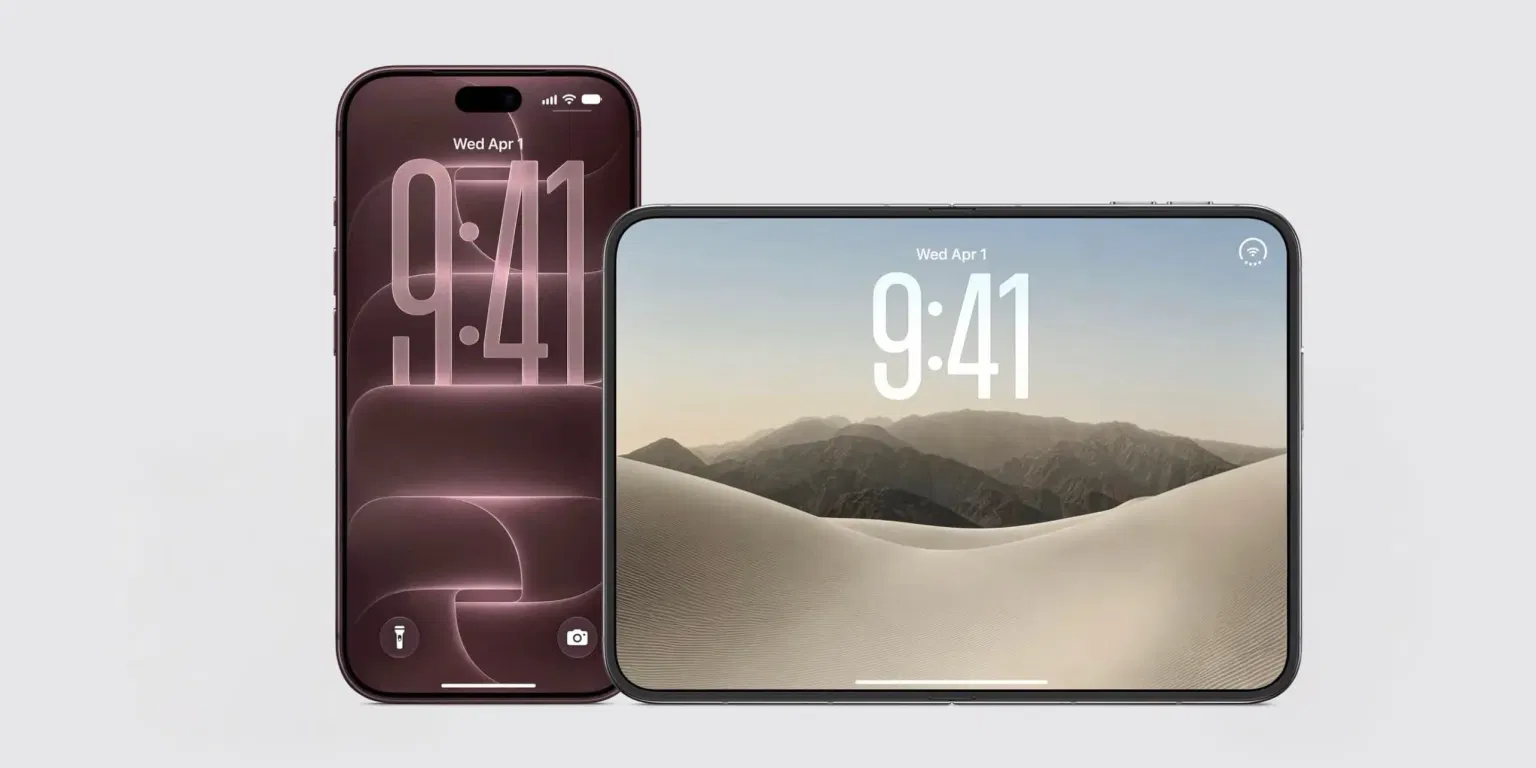
Apple's iPhone 18 launch just redrew the product roadmap that Wall Street has been underwriting for years. At its "Surprise and Shine" event on September 9, 2026, Apple took the wraps off the iPhone 18 Pro and iPhone 18 Pro Max alongside its first-ever foldable, the iPhone Duo — while pointedly holding back the base iPhone 18 until spring 2027. For investors, the headline isn't just faster silicon or a larger Neural Engine. It's a deliberate pricing and product-segmentation strategy that looks engineered to lift Apple's average selling price (ASP) and stretch its addressable market just as the company leans harder into on-device AI.
The reveal confirms months of supply-chain reporting that Apple would split its iPhone lineup into a fall flagship wave and a spring lower-end wave — a structural shift that echoes the staggered, COVID-disrupted rollout of 2020. Here's what the new hardware, the new prices, and the new timeline mean for Apple stock and the investors watching the world's most valuable product franchise.
Inside the iPhone 18 Pro, Pro Max, and Foldable iPhone Duo Reveal
The iPhone 18 Pro and Pro Max keep the design language of the iPhone 17 Pro but arrive in four finishes — black, glacier (blue), silver, and burgundy (red) — and carry the new A20 Pro chip, built on a 2-nanometer process. Apple's spec sheet is unambiguously aimed at the AI narrative: a 6-core CPU with two performance and four efficiency cores, a 7-core GPU that Apple says delivers 40% faster graphics, a 32-core Neural Engine, and a 50% jump in memory bandwidth.
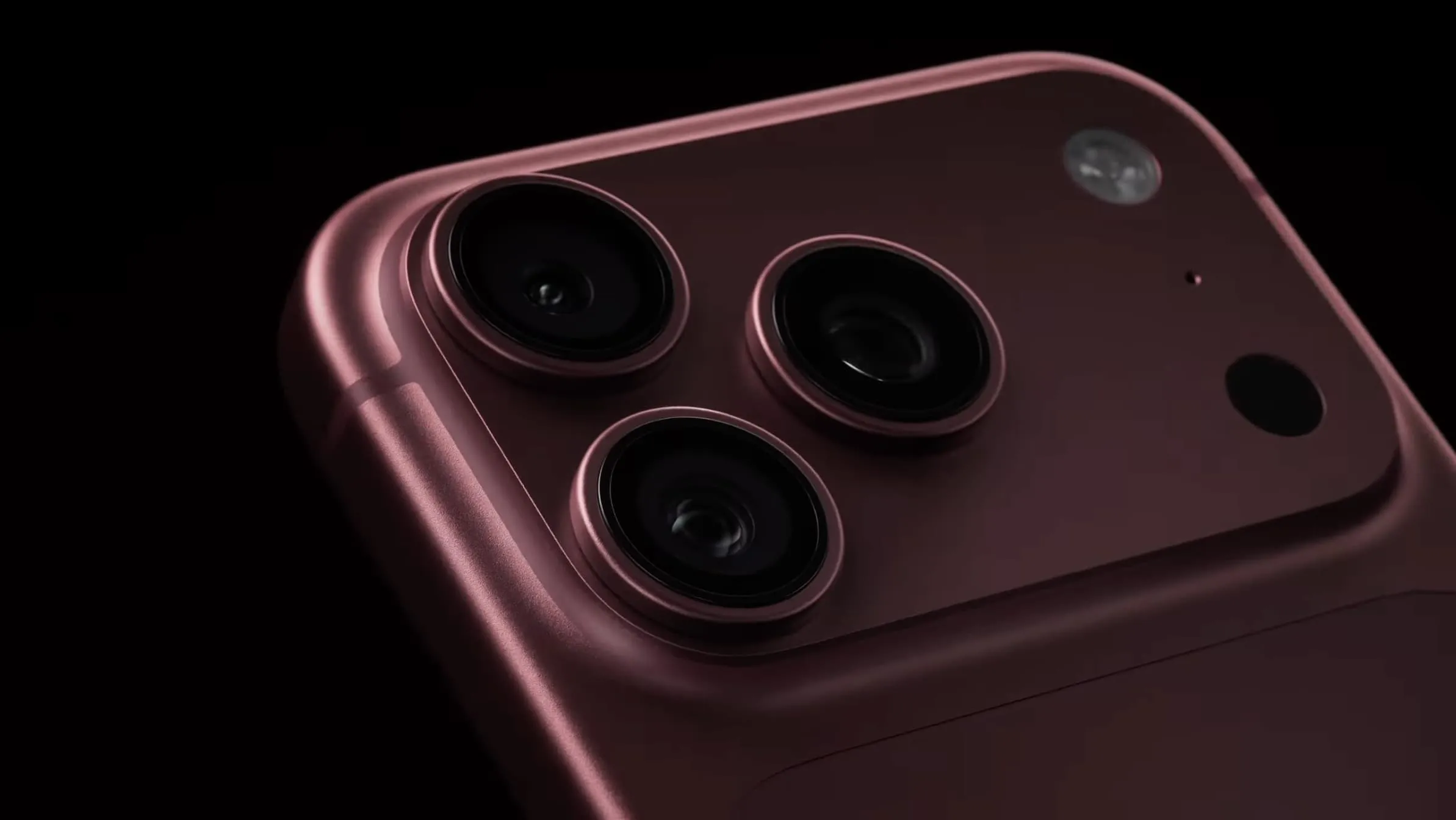
Apple is framing the iPhone 18 Pro as "the ultimate AI device," pairing a second Neural Engine with a next-generation vapor chamber for sustained performance. Battery life is a marquee selling point: the iPhone 18 Pro Max now promises up to 30 hours, while the standard Pro matches the outgoing 17 Pro Max. The camera system gains a 48MP Fusion main sensor with a variable aperture — a first — plus faster Night mode, manual aperture and shutter controls, and a new "Apple Reference Image" feature that embeds metadata proving a photo wasn't AI-generated. The iPhone 18 Pro also continues Apple's vertical integration with the in-house C2 5G modem, building on the company's years-long shift away from Qualcomm components.
Pricing is where the investing story sharpens. The iPhone 18 Pro starts at $1,199 and adds a 2TB storage tier for the first time, while the iPhone 18 Pro Max starts at $1,299 — a $100 increase over the iPhone 17 Pro generation. Pre-orders open September 12, with devices landing September 18.
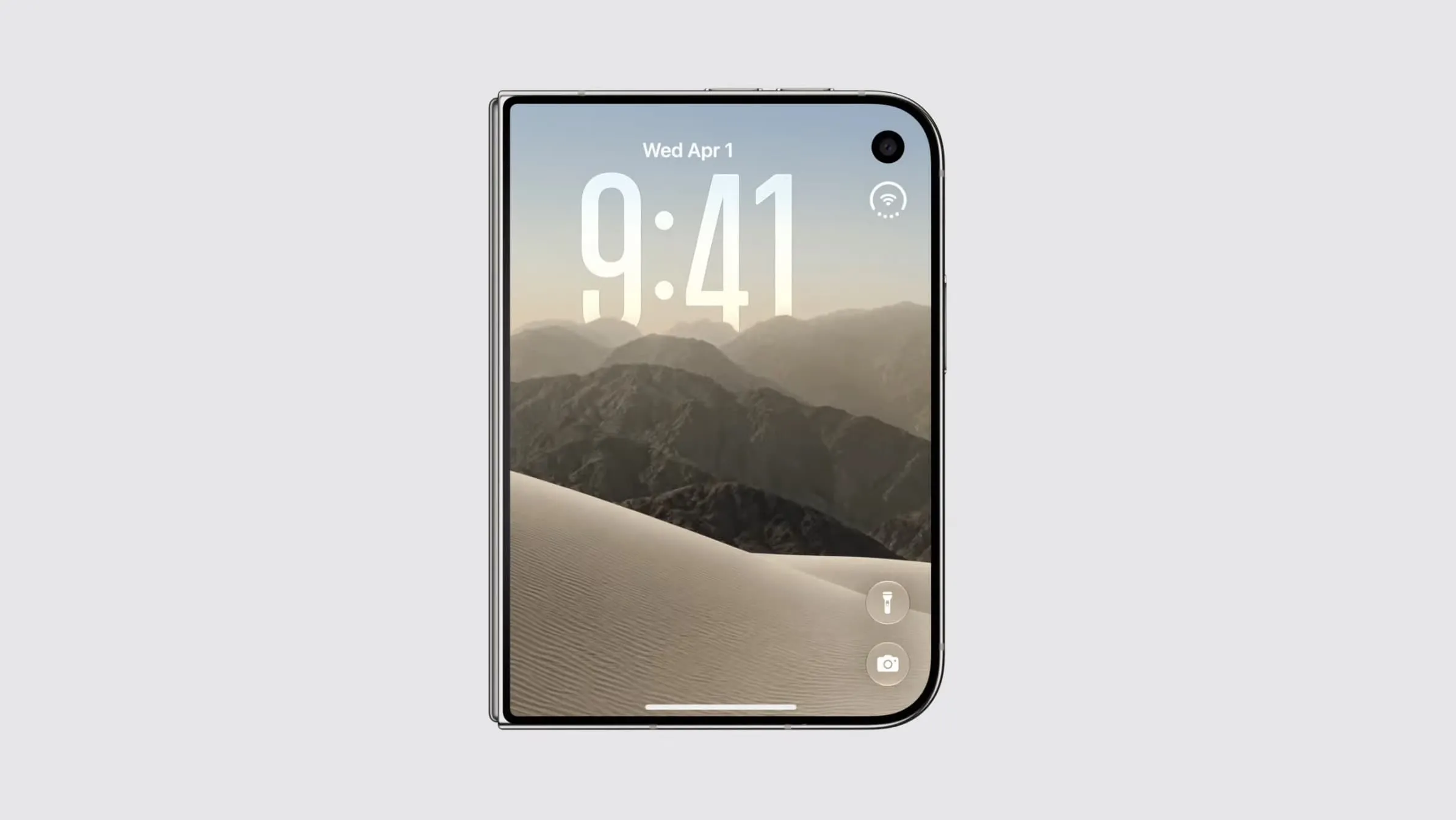
Then there's the iPhone Duo, Apple's long-rumored foldable. Priced at $1,999 for the 256GB model, it features a 7.6-inch Super Retina XDR inner display and a 5.4-inch outer display, a grade-5 titanium build in "star white" and "night sky" finishes, the same A20 Pro chip with a C2 modem, and batteries on both sides good for up to 44 hours of video on the outer display. Pre-orders begin October 16, with availability October 23.
The Road to a Split iPhone 18 Launch
Apple's decision to delay the base iPhone 18 didn't come out of nowhere — it was telegraphed across months of reporting, and the timeline matters for how investors model iPhone revenue over the next four quarters.
- Early-to-mid 2026: Supply-chain reports indicate the base iPhone 18 will miss the usual September window, with Apple working to merge production techniques between the iPhone 18 and the budget iPhone 18e.
- July 2026: 9to5Mac reports the fall lineup will be limited to the iPhone 18 Pro, Pro Max, and iPhone Ultra, with the standard iPhone 18 pushed to spring.
- September 9, 2026: Apple's "Surprise and Shine" event reveals the iPhone 18 Pro, Pro Max, and foldable iPhone Duo — but no base iPhone 18.
- September 12–18, 2026: iPhone 18 Pro and Pro Max pre-orders and launch.
- October 16–23, 2026: iPhone Duo pre-orders and launch.
- Spring 2027: The base iPhone 18, iPhone 18e, and iPhone Air 2 are expected to debut.
Why the iPhone 18 Lineup Could Lift Apple's Average Selling Price
The most consequential detail for investors may not be a chip or a camera — it's the sequencing. By pushing the cheaper base iPhone 18 to spring, Apple leaves launch-window buyers with no budget fallback: if you want the newest iPhone in September, you're buying a Pro. As 9to5Mac's coverage of the split release put it, the move "will also likely end up increasing the average selling price of the iPhone, as people who want to buy into the launch hype will have no choice but to buy an iPhone 18 Pro, rather than a cheaper model."
That matters because ASP is one of the cleanest levers Apple has on iPhone revenue at a moment when unit growth has been choppy. A $100 bump on the Pro Max and a $1,199 floor for the Pro, layered on top of a $1,999 foldable, tilt the mix toward higher-margin hardware. Meanwhile, the iPhone Duo opens an entirely new product category for Apple — one that competes directly in the premium foldable segment where rivals have been charging flagship-plus prices for years.
There's a cost-side wrinkle, too. Reports have pointed to Apple paying significantly more for certain iPhone 18 Pro components — including a reported jump in memory costs — and the company's effort to merge iPhone 18 and iPhone 18e production is framed as a cost-cutting measure. If the pricing strategy holds while component costs normalize, the spread between ASP and cost of goods sold is the number analysts will be watching most closely next earnings season.
Where Apple's iPhone 18 Rollout Stands Now
As of this writing, the iPhone 18 Pro and Pro Max are days away from pre-orders, with the foldable iPhone Duo following in October. Apple has also introduced a new slate of accessories — an updated Clear Case, a wrist strap, and new FineWoven and silicone colors — plus an "AppleCare One Family" plan launching in the U.S., which could nudge services revenue higher alongside hardware.
The base iPhone 18 remains the missing piece. Apple confirmed its fall event delivered the Pro models and the Duo without the standard iPhone 18, reinforcing the spring 2027 timeline. For investors modeling quarterly revenue, that means the high-ASP devices land in the September and December quarters, while the volume-oriented base model slips into calendar 2027.
Looking Ahead: Spring 2027 and Apple's Next iPhone Wave
The second half of Apple's iPhone 18 story is still to come. In spring 2027, the base iPhone 18 is expected to arrive alongside the budget iPhone 18e and a refreshed iPhone Air 2 — and early reporting suggests the base iPhone 18 could finally gain access to the full suite of on-device Siri AI features that are currently limited to the Pro tier and iPhone Air.
If that plays out, Apple's split-release experiment becomes more than a supply-chain workaround: it becomes a two-act pricing ladder. The fall sells aspiration and AI-first hardware at premium prices; the spring sells volume and accessibility once the flagship halo is established. Whether that segmentation actually moves more units — or simply shifts revenue between quarters — is the open question investors will spend the next several quarters trying to answer.
The Bottom Line for Apple Investors
- Apple's iPhone 18 launch is a split rollout: Pro, Pro Max, and the new foldable iPhone Duo in fall 2026; the base iPhone 18 in spring 2027.
- The iPhone 18 Pro starts at $1,199 and the Pro Max at $1,299 — a $100 increase — while the foldable iPhone Duo debuts at $1,999.
- The staggered schedule is widely expected to raise Apple's iPhone average selling price by funneling launch-window buyers toward Pro models.
- The A20 Pro chip, 32-core Neural Engine, and "ultimate AI device" positioning anchor Apple's AI narrative for the next upgrade cycle.
- The iPhone Duo marks Apple's entry into the foldable category, expanding its total addressable market at the premium end.
The takeaway: Apple is using the iPhone 18 cycle to push prices higher, segment its launches, and open a new premium category — a combination that, if demand holds, is built to expand both ASP and revenue per user.