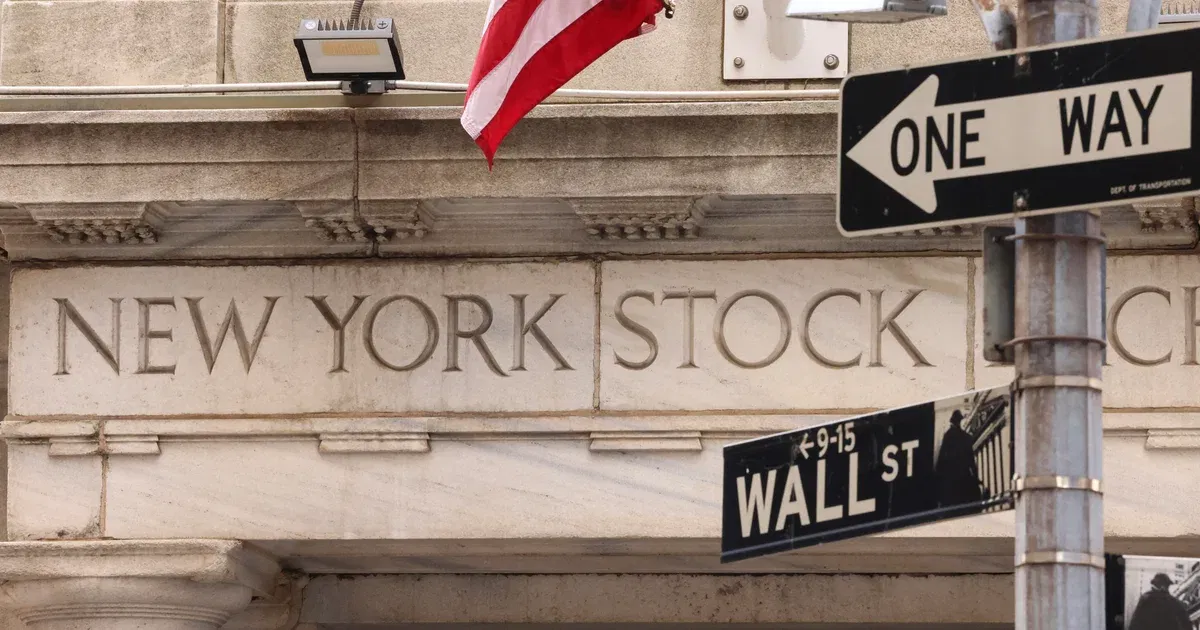
With Good Friday approaching on April 18, 2025, investors across the United States are preparing for a market closure that has become a Wall Street tradition spanning more than 150 years. The New York Stock Exchange and Nasdaq will both shutter operations for the religious holiday, giving traders a brief pause amid a turbulent week that saw the Dow plunge into the red following UnitedHealth's profit forecast and Federal Reserve Chair Jerome Powell's inflation warnings. While stock trading halts completely, bond markets will operate on an abbreviated schedule, and most banks and post offices will remain open since Good Friday isn't recognized as a federal holiday.
The Good Friday Shutdown: What's Closed and What's Not
According to official calendars from both the New York Stock Exchange and Nasdaq, all U.S. equity markets will be closed on Friday, April 18, 2025, in observance of Good Friday. The bond market will also be closed for the full day after closing early at 2:00 p.m. EST on Thursday, April 17, as indicated by the Securities Industry and Financial Markets Association (SIFMA) holiday schedule. This marks one of the nine annual stock market holidays observed in the United States, providing Wall Street with a brief respite during the busy spring trading season.
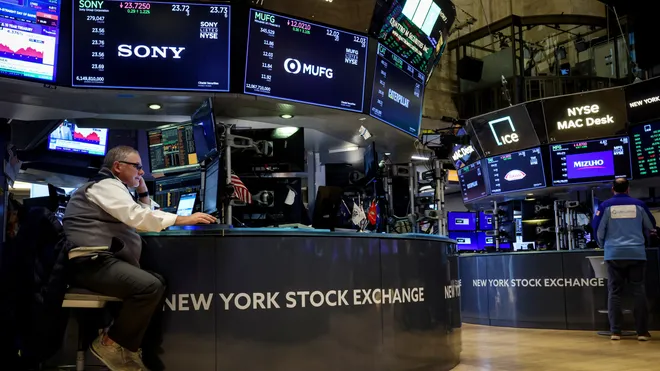
While stock exchanges take the day off, not all financial activity ceases. The Chicago Mercantile Exchange offers a limited window for electronic trading of S&P 500 futures until 10:30 a.m. Eastern time, providing institutional investors with some hedging opportunities. Meanwhile, banks and post offices operate on normal schedules since Good Friday is not among the twelve federal holidays recognized by the U.S. government. This creates an unusual situation where Wall Street sleeps while Main Street continues business as usual.
From 1864 to Today: The Historical Tradition of Good Friday Closures
The tradition of closing stock exchanges for Good Friday dates back to the Civil War era. The New York Stock Exchange, which opened in 1817, first shuttered its doors for the Christian holy day in 1864, establishing a precedent that would continue with remarkable consistency. According to historical records from the NYSE, the exchange has closed every Good Friday since that initial observance except for three anomalous years: 1898, 1906, and 1907. The reasons for these exceptions remain unexplained in official archives, creating a fascinating historical mystery for financial historians.
This 160-year tradition stands in contrast to other market holidays that align with federal observances. While Thanksgiving and Christmas see coordinated closures across government and private sectors, Good Friday represents a unique case where financial markets honor a religious observance that doesn't carry federal holiday status. The consistency of this practice across centuries demonstrates how financial industry traditions can become entrenched independently of governmental recognition.
Why Markets Close for a Non-Federal Holiday: The Financial Industry's Unique Tradition
The continued observance of Good Friday as a market holiday despite its non-federal status reveals much about the financial industry's culture and historical development. Industry experts point to several factors that have maintained this tradition. First, the concentration of financial industry professionals in regions with significant Christian populations created natural pressure for the observance. Second, the historical precedent established in the 19th century created expectations that became institutionalized over generations of traders and executives.
"Good Friday is an exception to other stock market holidays in the U.S. such as Thanksgiving and Christmas because it is not also a federal holiday," notes Fox Business in its historical analysis. "That means the government and many businesses will be open. Nonetheless, stock trading has traditionally closed for the day, with some exceptions." This divergence between financial markets and other sectors highlights how industry-specific customs can develop independently of broader national practices.
The practical considerations are also significant. With many market participants observing the religious holiday, trading volumes would naturally be light, making full closure a logical operational decision. Additionally, the long weekend created by combining Good Friday with the regular weekend provides a valuable break during the spring earnings season, allowing traders and analysts to recharge before the intensive period of first-quarter reports.
Beyond Wall Street: How Good Friday Affects Banks, Post Offices, and International Markets
While U.S. stock markets take the day off, the impact of Good Friday varies significantly across different sectors and international borders. The Federal Reserve confirms that most major banks will remain open on Good Friday, conducting normal operations since the Christian holy day doesn't appear on the federal holiday calendar. Similarly, the United States Postal Service continues mail delivery and keeps post offices open for retail transactions, though some individual branches may adjust hours based on local staffing considerations.
Internationally, the picture becomes more complex. European markets, including the London Stock Exchange and Euronext exchanges, typically close for both Good Friday and Easter Monday, creating a four-day trading hiatus. Asian markets present a mixed picture, with some exchanges operating normally while others observe local holidays. This global patchwork of observances can create temporary disconnects in international capital flows and requires careful planning from global asset managers.
For cryptocurrency traders, the decentralized nature of digital asset markets means trading continues uninterrupted on Good Friday, though volumes may reflect the broader financial market closure. This creates interesting arbitrage opportunities as crypto markets react to developments that traditional markets won't price until the following Monday.
Looking Ahead: Market Reopening and Upcoming Holiday Schedule
Trading will resume with normal hours on Monday, April 21, 2025, with the New York Stock Exchange and Nasdaq opening at 9:30 a.m. EST and the bond market beginning operations at 8:00 a.m. EST. This return to normalcy follows what market analysts describe as a "well-timed pause" during a particularly volatile period marked by uncertainty around interest rates, inflation, and corporate earnings.
Looking further ahead, investors should mark their calendars for the next market holiday: Memorial Day on Monday, May 26, 2025. The full schedule of U.S. stock market holidays for 2025 includes:
- New Year's Day - January 1
- Martin Luther King Jr. Day - January 20
- Washington's Birthday - February 17
- Good Friday - April 18
- Memorial Day - May 26
- Juneteenth National Independence Day - June 19
- Independence Day - July 4
- Labor Day - September 1
- Thanksgiving Day - November 27
- Christmas Day - December 25
This predictable schedule allows investors to plan their trading strategies around market closures, particularly for positions that might be affected by extended periods without liquidity.
Key Takeaways for Investors This Good Friday
As Good Friday approaches, savvy investors should keep several crucial points in mind. First, all equity trading will be suspended for the full day on April 18, so any trades must be executed by market close on Thursday, April 17. Second, bond markets will close early at 2:00 p.m. EST on Thursday and remain closed Friday, affecting fixed-income transactions. Third, while banks and post offices remain open, reduced staffing levels at some financial institutions may slow certain services.
Perhaps most importantly, the historical consistency of Good Friday closures reminds us that financial markets operate within cultural and historical contexts that extend beyond pure economics. The 160-year tradition of honoring this religious observance—with only three exceptions—demonstrates how deeply embedded customs can shape market operations, even when they diverge from federal holiday patterns. For investors, understanding these traditions provides valuable context for navigating the annual rhythm of market closures and preparing for the trading opportunities that emerge when markets reopen after their brief spring hiatus.