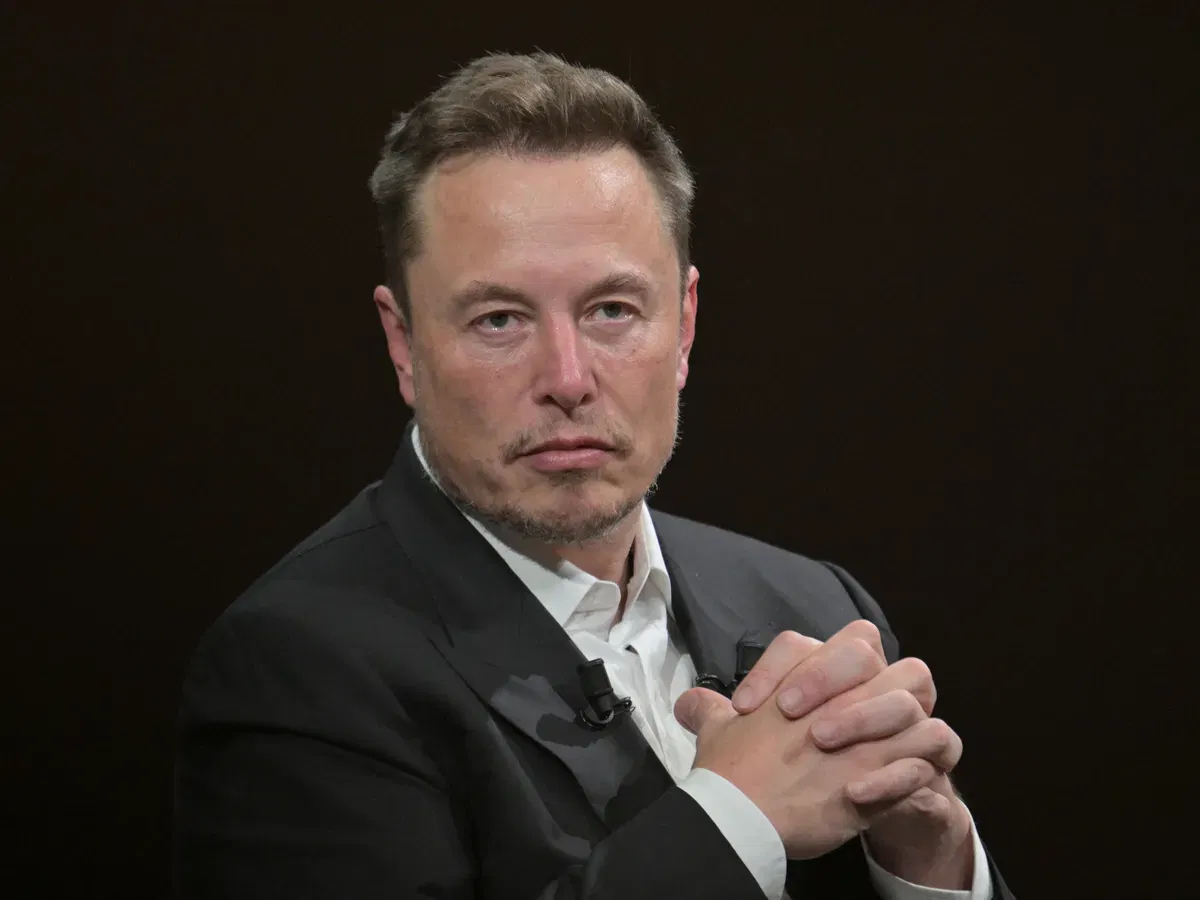
Tesla Inc. disclosed that Elon Musk's compensation for 2025 totaled a staggering $158.4 billion, according to a regulatory filing released late Thursday, marking the first payout under the historic pay package shareholders approved roughly six months ago. The revelation comes as Tesla stock faces headwinds despite the company posting better-than-expected earnings for the first quarter of 2026, creating a complex picture for investors trying to assess Tesla's true value.
Inside Tesla's $158 Billion Compensation Disclosure
The regulatory filing, submitted to the SEC late on April 30, revealed that Musk's 2025 compensation included approximately $132 billion in maximum grant date fair value tied to the award he received last year, assuming all performance milestones are met. The pay package was approved by Tesla shareholders in June 2025 following a contentious shareholder vote that came after a Delaware court voided an earlier compensation plan. The 2025 figure marks the first time investors have seen concrete numbers since the new plan took effect.
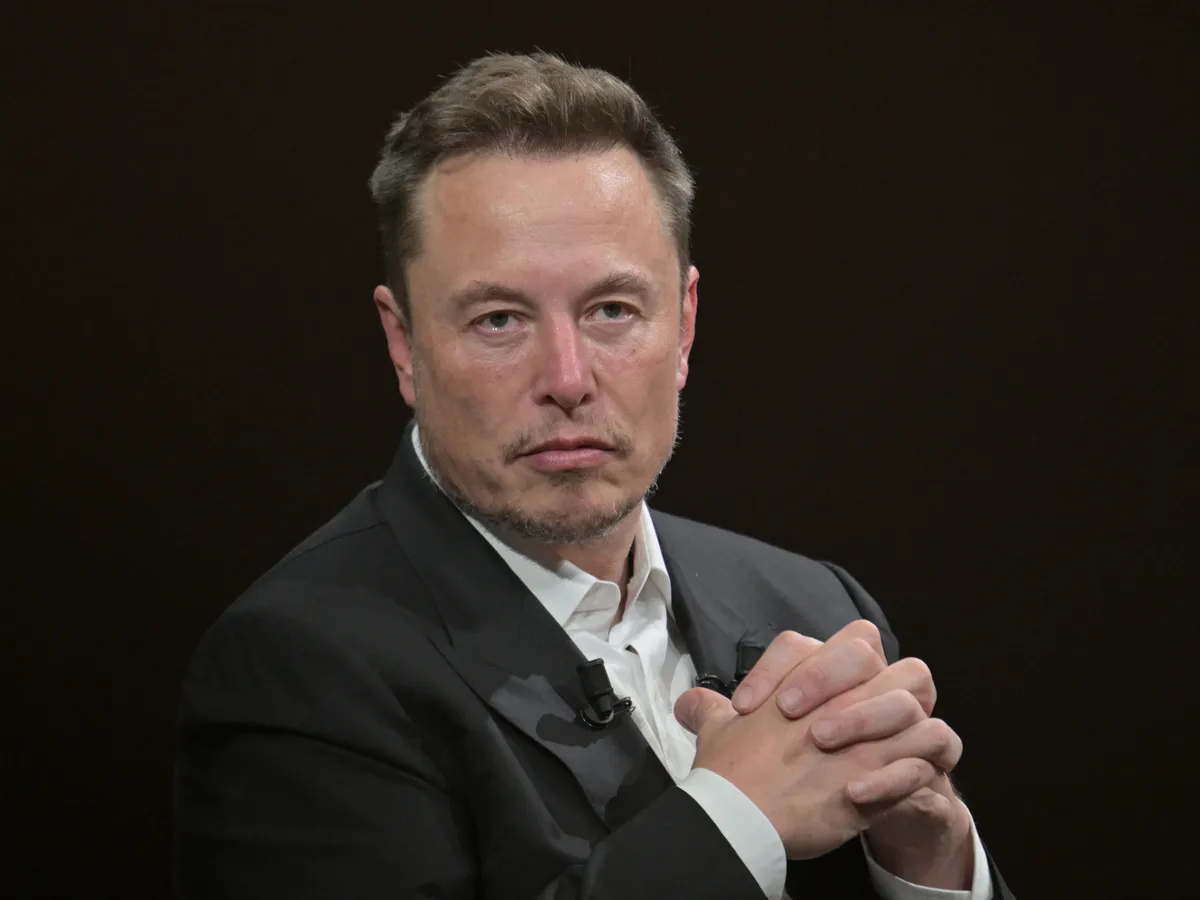
"The 2025 total was revealed in a regulatory filing late Thursday, about six months after investors signed off on a $1 trillion stock award for the CEO," Bloomberg News reported, highlighting the sheer scale of the compensation. To put the figure in context, Musk's 2025 Tesla compensation alone exceeds the annual GDP of dozens of countries, sparking fresh debate about executive compensation in corporate America.
The billionaire has recently turned his attention to other parts of his business empire, particularly rocket maker SpaceX, which is attempting to stage what could be the biggest initial public offering of all time, potentially as soon as June 2026. This has raised questions among some Tesla investors about Musk's bandwidth and commitment to the electric vehicle maker.
Q1 2026 Earnings: The Good, the Bad, and the $25 Billion Question
Tesla reported its first-quarter 2026 earnings on April 22, delivering a mixed bag that left investors parsing the numbers carefully. The company posted adjusted earnings per share of $0.41, beating analyst estimates of $0.37. However, revenue of $22.39 billion fell short of the $22.64 billion consensus, continuing a pattern where Tesla's automotive revenue growth has moderated significantly.
Net income came in at $477 million, up 17% from $409 million in the year-ago period, while gross margin climbed to 21.1%, a recent high that suggests Tesla's cost-cutting measures are bearing fruit. The company's energy generation and storage business continued its rapid growth trajectory, helping to offset some of the pressure in the automotive segment.
The biggest story from the earnings call, however, was capital expenditure guidance. Management now expects to spend over $25 billion in 2026, roughly triple the 2025 level, while also guiding to negative free cash flow for the remainder of the year. Shares fell about 1% in after-hours trading on the news, as the market digested the implications of such aggressive spending. By midday on April 23, Tesla shares had dropped 3.7% to around $373, bringing the decline since the start of 2026 to approximately 17%.
Where the $25 Billion Is Going: Robotaxi, AI, and the Autonomous Bet
The massive capex plan is tied directly to Tesla's strategic pivot from being primarily an automaker to an autonomous mobility and robotics company. The three key pillars of this investment strategy are robotaxi expansion, AI infrastructure, and humanoid robot development.
On the robotaxi front, Tesla recently expanded its autonomous ride-hailing service to two new cities — Dallas and Houston — without safety monitors inside the vehicles. This marks a significant milestone, as it represents the first deployments where Tesla is relying entirely on its Full Self-Driving (FSD) software without human backup. Morningstar analyst Seth Goldstein noted, "We assumed all new city expansions would feature safety monitors, but we view this as a sign that the autonomous driving software continues to improve."
The company's AI5 chips are also entering production, with Forbes reporting that the new chips "set to enter production" as part of Tesla's broader AI push. The market capitalization has already responded, surging to approximately $1.2 trillion, with some analysts seeing a path to $2 trillion driven by autonomous driving, the Optimus humanoid robot, and energy storage.
Analyst Outlook: Is TSLA a Buy, Sell, or Hold?
Wall Street remains deeply divided on Tesla, reflecting the unique challenge of valuing a company that straddles traditional automotive manufacturing and high-tech autonomous driving aspirations. According to Benzinga, Tesla has a consensus price target of $403.59 based on ratings from 32 analysts, with a high of $600 from Wedbush and a low of just $24.86 from some bearish voices.
Morningstar maintains a fair value estimate of $400 per share and a 3-star rating, suggesting the stock is fairly valued at current levels. The firm assigns Tesla a "Narrow" economic moat rating but a "Very High" uncertainty rating, reflecting the wide range of potential outcomes for its autonomous driving and robotics initiatives.
Baird maintains a $548 price target on TSLA, based on roughly 70 times its 2030 EBITDA estimate. The Motley Fool, meanwhile, made a contrarian case that "Tesla Stock Is Outrageously Cheap," arguing that there could be another 100% in upside potential for long-term investors who believe in the autonomous driving thesis.
Where TSLA Stands Today
As of early May 2026, Tesla stock is trading around $381-387 per share, with the stock fluctuating between $380.62 and $387.40 in recent sessions. The current price is near the lower end of the stock's recent range, with a 52-week low of $271.00 and a 52-week high of $498.83 set in December 2025. Over the past 12 months, Tesla shares have gained roughly 62%, though the stock is down about 7% over the past four weeks.
Beyond the stock price itself, several key developments are shaping the Tesla investment narrative. The company's market share in the EV segment dropped to 38% in 2025, its lowest level since 2017, as competition from legacy automakers and Chinese EV manufacturers intensifies. At the same time, Tesla spent about $4.8 million on Musk's security in 2025, up from $2.8 million the prior year, according to Tesla's latest 10-K SEC filing.
The Road Ahead: What Investors Should Watch
Looking forward, several catalysts could drive Tesla stock in either direction. The potential SpaceX IPO, which could be the largest in history, may either distract Musk or unlock significant value for him personally, depending on how it affects his focus on Tesla. The expansion of robotaxi services to more cities without safety drivers would be a major positive catalyst, validating the autonomous driving thesis that underpins much of Tesla's valuation.
On the flip side, the aggressive capex spending means negative free cash flow for the foreseeable future, which could pressure the stock if automotive margins continue to face headwinds. The company's first annual revenue decline on record in 2025 — with revenue dropping from roughly $98 billion to $95 billion — underscores the challenges Tesla faces in its core automotive business even as it invests heavily in the future.
For investors, the key question remains whether Tesla is an overvalued car company or an undervalued AI and robotics pioneer. The $158 billion compensation figure and the $25 billion capex plan both represent enormous bets on the latter thesis — bets that will take years to fully play out.
Key Takeaways for Tesla Investors
- Compensation milestone: Elon Musk's 2025 compensation of $158.4 billion is the first payout under the new shareholder-approved plan, with ~$132 billion in grant date fair value tied to performance milestones
- Mixed Q1 results: Tesla beat EPS estimates but missed on revenue, with operating profits and free cash flow showing strong year-over-year growth
- Massive capex: $25 billion planned for 2026, triple 2025 levels, focused on robotaxi, AI infrastructure, and Optimus robots
- Fairly valued consensus: Morningstar's $400 fair value estimate and the $398-407 average analyst target suggest the stock is trading near fair value
- Robotaxi progress: Expansion to Dallas and Houston without safety monitors is a significant technical achievement for FSD software
- Key risk: Negative free cash flow guidance and intensifying EV competition in China and Europe could pressure shares in the near term