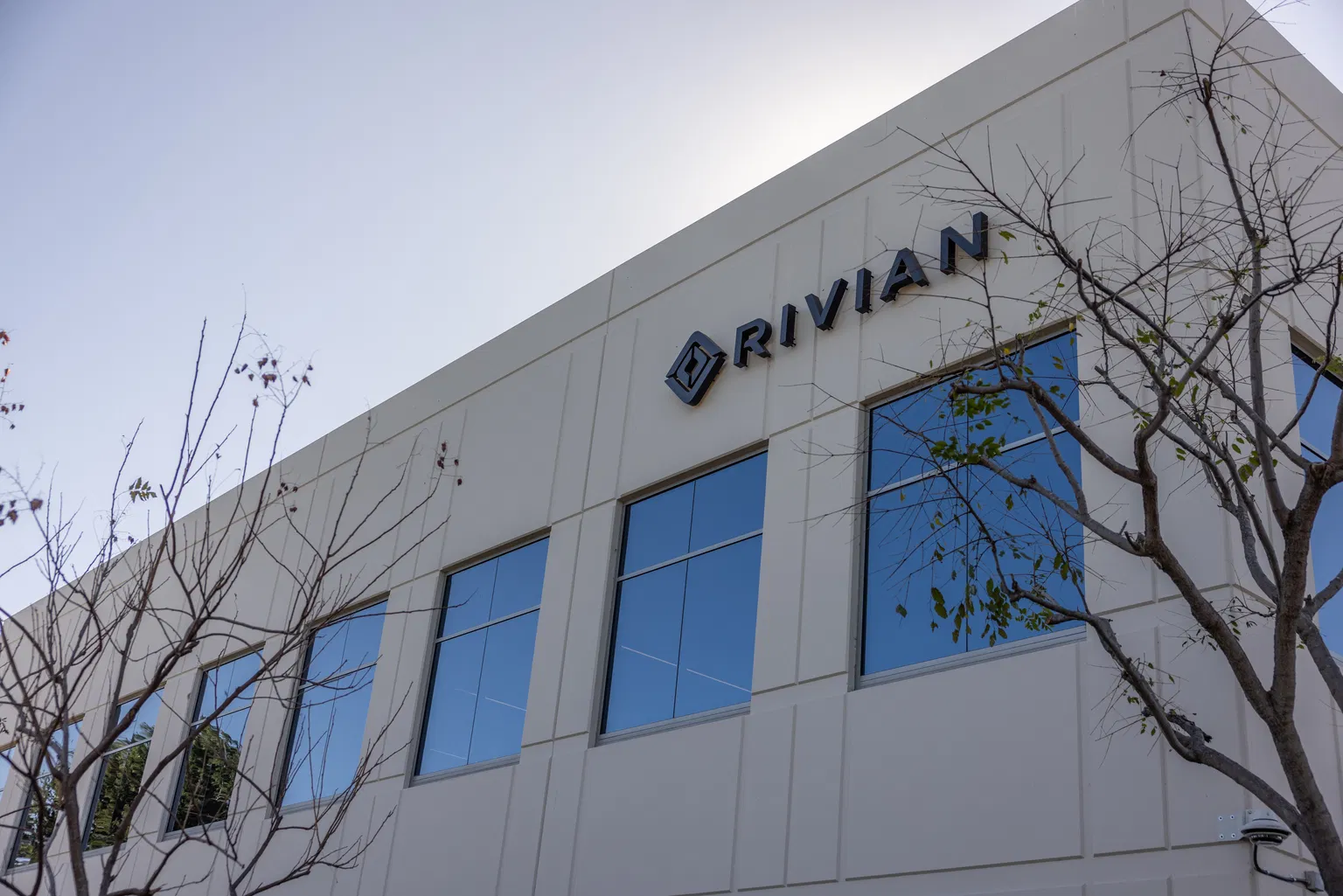
Rivian Automotive (NASDAQ: RIVN) shares surged over 14% in after-hours trading Thursday after the electric vehicle maker reported fourth-quarter earnings that beat Wall Street expectations and announced its first annual gross profit—a major milestone for the company. The stock jump added approximately $2.5 billion to Rivian's market capitalization as investors cheered the company's progress toward profitability and its ambitious delivery targets for 2026.
How Rivian's Earnings Surprise Unfolded
Rivian's Q4 2025 results, released on February 12, 2026, revealed consolidated revenues of $1.286 billion, slightly above analyst estimates of $1.28 billion. While this represented a 25.8% year-over-year decline due to lower regulatory credit sales and reduced vehicle deliveries, the company achieved a consolidated gross profit of $120 million for the quarter and $144 million for the full year—marking Rivian's first annual gross profit since its inception.
According to the company's earnings release, the $144 million annual gross profit represents a more than $1.3 billion improvement compared to 2024, when Rivian reported a gross loss of approximately $1.2 billion. This dramatic turnaround was driven by rapid cost reductions, improved manufacturing efficiency, and growing software and services revenue from Rivian's joint venture with Volkswagen Group.
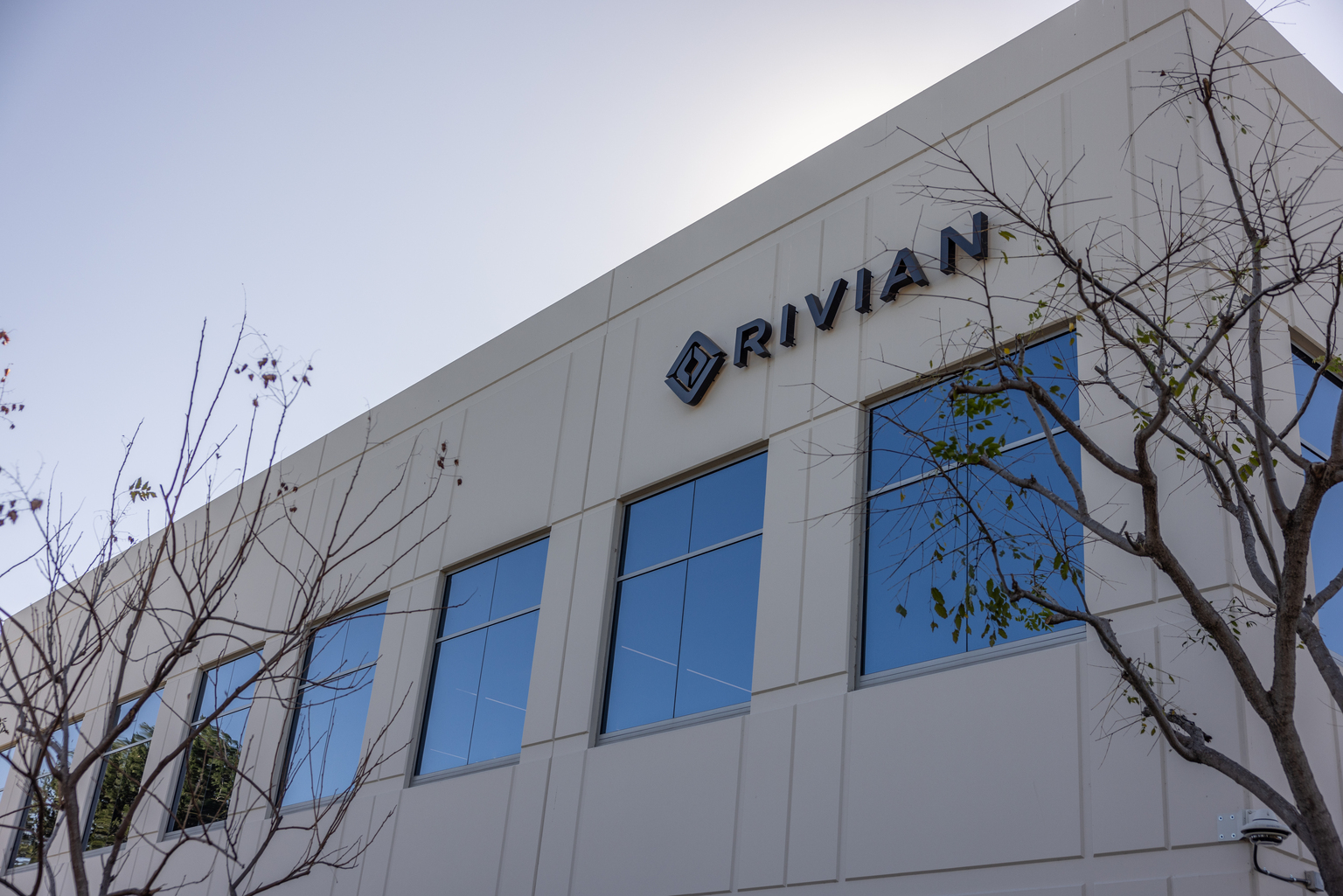
Timeline: From Quarterly Loss to First Annual Profit
The path to Rivian's milestone achievement unfolded over several key moments in 2025. After reporting a gross loss of $1.2 billion in 2024, the company implemented aggressive cost-cutting measures and production optimizations at its Normal, Illinois factory. By Q1 2025, Rivian had reduced its gross loss to $467 million, followed by further improvements throughout the year.
Critical to this turnaround was the Volkswagen partnership announced in June 2024, which injected $5.8 billion into Rivian and established a joint venture focused on vehicle software development. This collaboration began generating significant revenue in late 2025, with software and services revenue jumping 109% year-over-year to $447 million in Q4 alone.
Why Rivian's Results Matter: Expert Analysis and Market Impact
Wall Street analysts reacted positively to Rivian's earnings, with several major banks upgrading their ratings on the stock. Deutsche Bank upgraded Rivian from "Hold" to "Buy" and raised its price target from $16 to $23—a 43.75% increase. Analyst Edison Yu cited Rivian's improved gross margins and the upcoming R2 launch as key drivers for the upgrade.
UBS maintained its positive stance on Rivian, noting that the company's software partnership with Volkswagen provides a "significant competitive advantage" in the evolving EV landscape. Meanwhile, Baird had previously upgraded Rivian in December 2025, raising its price target to $25 based on expectations for the R2 launch.
"Rivian's ability to achieve its first annual gross profit is a critical milestone that demonstrates the company's path to sustainable profitability," said Deutsche Bank's Yu in his research note. "The R2 launch in 2026 represents a potential inflection point for mass-market adoption."
Where Things Stand Now: Rivian's 2026 Delivery Guidance
Looking ahead, Rivian provided optimistic guidance for 2026, forecasting vehicle deliveries between 62,000 and 67,000 units—a 53% increase from 2025 levels. This growth is expected to be driven by the launch of the R2 SUV, a smaller, more affordable model priced around $45,000 that will compete directly with Tesla's Model Y.
CEO RJ Scaringe called 2026 an "inflection point" for the company during the earnings call, highlighting strong early reviews of pre-production R2 vehicles. Customer deliveries of the R2 are expected to begin in the second quarter of 2026, with production ramping up significantly in the second half of the year.
The company also provided financial guidance for 2026, expecting adjusted EBITDA losses between $1.8 billion and $2.1 billion, with capital expenditures of $1.95 billion to $2.05 billion. Rivian ended 2025 with $6.58 billion in cash and equivalents, providing ample liquidity to fund its growth initiatives.
What Happens Next: The Road Ahead for Rivian Investors
For investors, the key questions center on Rivian's ability to execute its R2 launch successfully and achieve positive automotive gross margins. While the company has made significant progress on overall gross profitability, its automotive segment still reported a $59 million gross loss in Q4 2025, primarily due to reduced regulatory credit sales.
Analysts will be closely watching several metrics throughout 2026: R2 production ramp-up efficiency, customer demand for the new model, continued growth in software revenue from the Volkswagen partnership, and progress toward achieving positive automotive gross margins. The company's guidance suggests it expects automotive gross margins to improve throughout the year as R2 production scales.
Rivian's stock performance will likely remain volatile in the coming months as investors weigh the company's growth potential against execution risks. However, the combination of improving profitability, strong delivery guidance, and multiple analyst upgrades suggests a more favorable risk-reward profile than at any previous point in Rivian's history as a public company.
Key Takeaways for Investors
- Rivian achieved its first annual gross profit of $144 million in 2025, a $1.3 billion improvement from 2024
- The stock jumped 14.6% to $14 in after-hours trading following the earnings release, adding $2.5 billion to market capitalization
- Deutsche Bank upgraded Rivian to "Buy" with a $23 price target, while UBS and Baird maintain positive outlooks
- 2026 delivery guidance of 62,000-67,000 vehicles represents 53% growth, driven by the R2 SUV launch in Q2
- Software and services revenue grew 109% year-over-year to $447 million in Q4, powered by the Volkswagen partnership
- Rivian maintains a strong liquidity position with $6.58 billion in cash to fund its growth plans