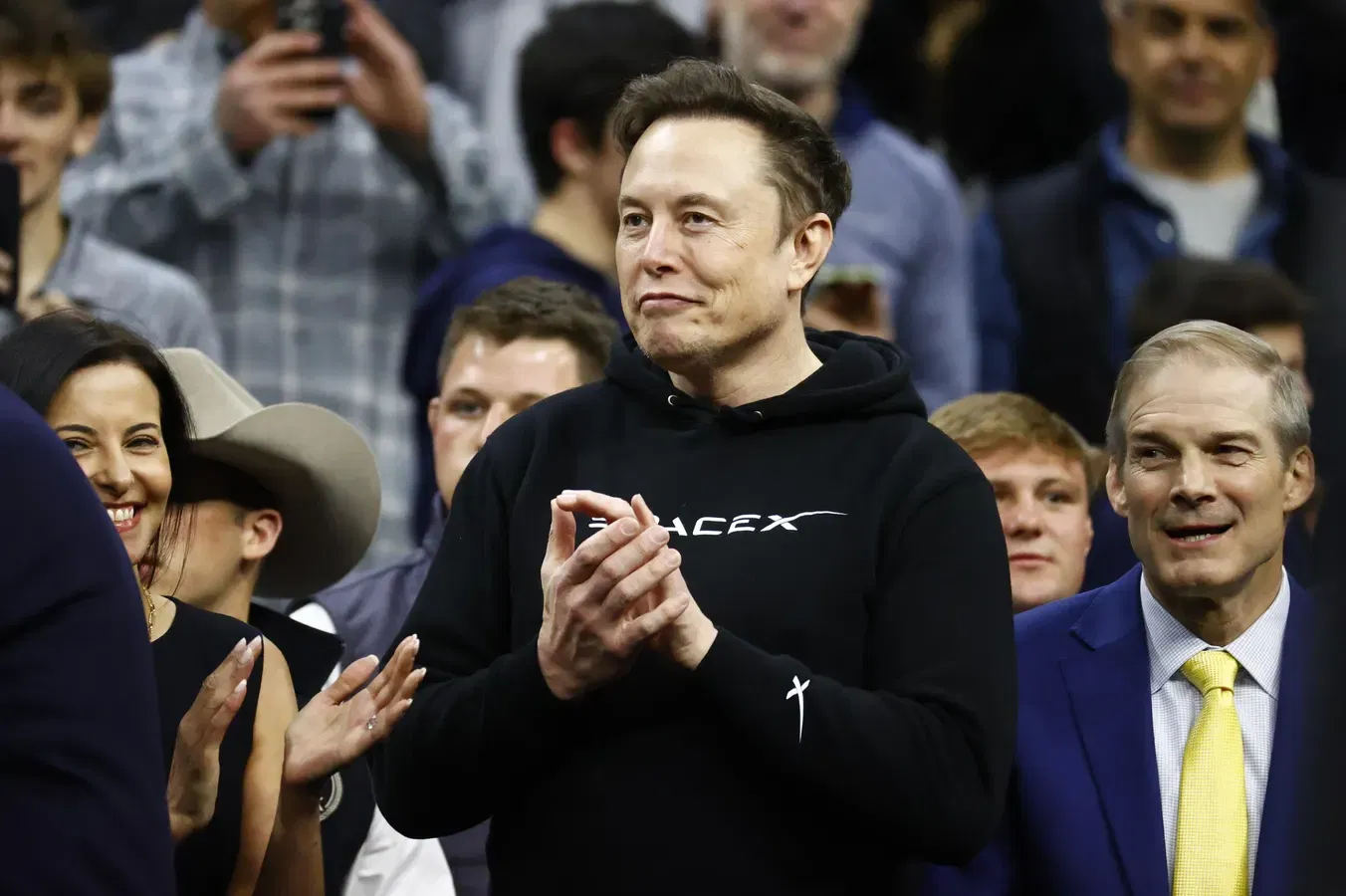
SpaceX has shattered Wall Street convention by announcing a fixed IPO price of $135 per share, setting the stage for what would be the largest public offering in history. Elon Musk's aerospace and satellite internet giant is targeting a $1.75 trillion valuation and aims to raise approximately $75 billion through the sale of 555.6 million shares on the Nasdaq under the ticker SPCX, with trading expected to begin June 12, 2026.
The move bypasses the traditional book-building process where investment banks gauge investor demand to set a price range. Instead, SpaceX has dictated the terms upfront — a bold approach that has left institutional investors and Wall Street analysts scrambling to assess whether the fixed price is a signal of overwhelming confidence or an unconventional gamble.
Inside the $1.75 Trillion Valuation: What the S-1 Reveals
SpaceX's S-1 filing with the SEC, made public on May 20, 2026, offered investors their first detailed look at the company's internal finances. The headline numbers are staggering: $18.674 billion in consolidated revenue for 2025, representing a 33% year-over-year increase. However, the company still posted a net loss of $4.9 billion for the year, driven largely by massive capital expenditures on Starship development and AI infrastructure.
The filing reveals that SpaceX spent $3 billion on Starship development in 2025 alone, while its newly acquired AI division — the result of a February 2026 merger with xAI — is burning cash at an extraordinary rate. In Q1 2026, the AI segment generated just $818 million in revenue against a net loss of $2.47 billion, with capital expenditures of $7.7 billion for data center infrastructure including the Colossus and Colossus II facilities housing 220,000 Nvidia GPUs.
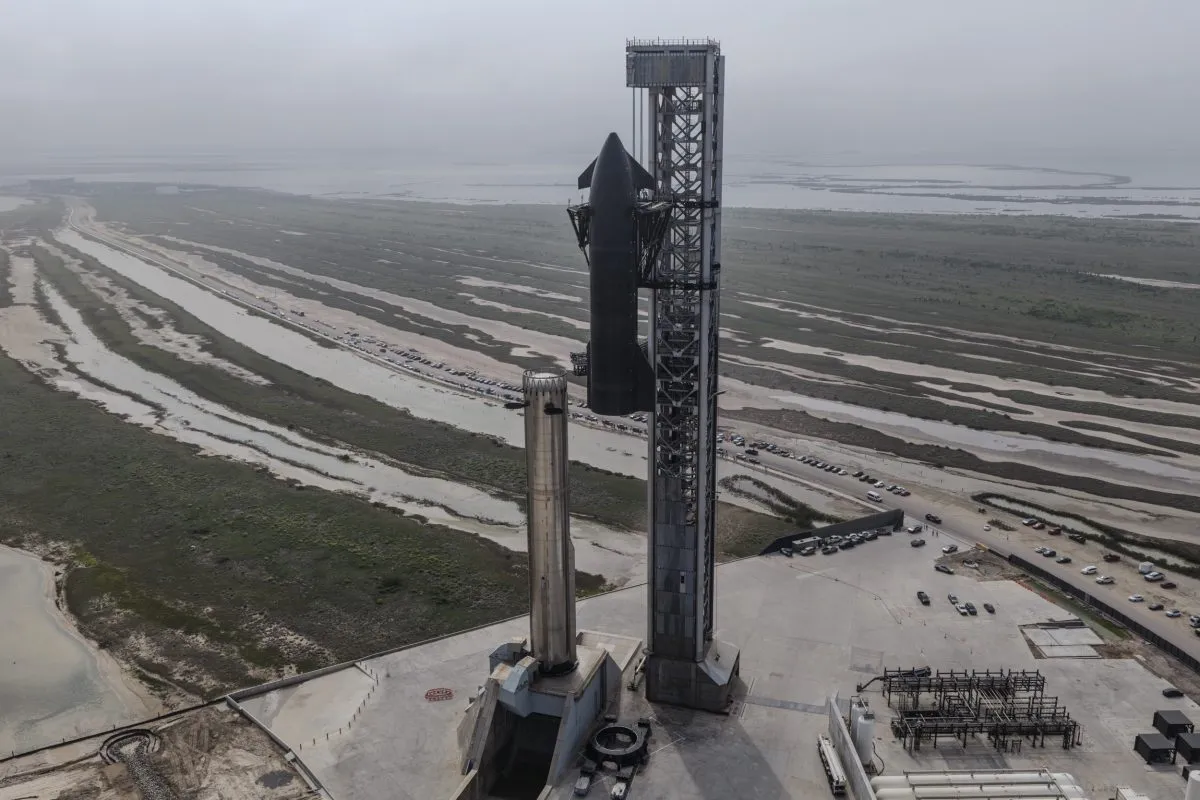
Timeline: How SpaceX's Path to Public Markets Unfolded
April 1, 2026 — SpaceX confidentially files for IPO with the SEC, setting the stage for what would become the largest public offering in history. The confidential filing allows SEC review before public disclosure.
May 20, 2026 — SpaceX publicly files its S-1 prospectus, offering investors a first-ever look at the company's financials. Goldman Sachs takes the lead left underwriting position, followed by Morgan Stanley. The ticker symbol is revealed as SPCX with a Nasdaq listing planned.
June 2, 2026 — Reuters exclusively reports that SpaceX has set a fixed IPO price of $135 per share, targeting a $75 billion raise and a $1.75 trillion valuation.
June 4, 2026 — The roadshow launches on an accelerated timeline, with SpaceX executives beginning presentations to institutional investors.
June 11, 2026 — Share pricing is expected after market close.
June 12, 2026 — First trading day on Nasdaq under ticker SPCX, pending final pricing.
Why Starlink Is the Real Story Behind the Biggest IPO Ever
The single most important fact for investors to understand is that SpaceX is no longer just a rocket company. Starlink, the satellite internet division, generated $11.4 billion in revenue in 2025 — a staggering 61% of the company's total. More critically, Starlink is highly profitable, with $7.2 billion in adjusted EBITDA at 63% margins.
Consumer broadband contributed $7.2 billion, while enterprise and government contracts added $4.2 billion. The segment is growing at approximately 50% year-over-year, making it the clear financial engine that justifies the massive valuation. As one analyst noted, SpaceX is effectively bringing a profitable, high-growth telecommunications infrastructure company to market, wrapped inside a space exploration and AI narrative.

The February 2026 merger with xAI added another dimension. xAI, which had acquired X (formerly Twitter) in March 2025, brings AI data center infrastructure and a recently signed Cloud Services Agreement with Anthropic valued at $1.25 billion per month through May 2029 — approximately $45 billion over the full term. This anchor customer relationship gives SpaceX a powerful story to tell public market investors about the monetization potential of its AI infrastructure.
Morningstar has cast doubt on the valuation, estimating SpaceX is worth less than half of the $1.75 trillion target. At that price, the company would trade at roughly 109 times trailing revenue — a multiple that would make even the most richly valued tech stocks seem modest.
Where Things Stand Now: Pre-IPO Demand and Market Sentiment
Pre-IPO secondary markets are already pricing SpaceX shares above the announced IPO price. On Hiive, shares are trading at an estimated $142.22 as of June 5, 2026. Forge Global reports a Forge Price of $129.01, while Nasdaq Private Market estimates $122.65 per share.
The higher secondary market prices suggest strong demand from accredited investors who are willing to pay a premium for early access. However, the wide dispersion between estimates — ranging from $115.28 on Notice.co to $260.80 on the highest bid side on Nasdaq Private Market — indicates uncertainty about the true market-clearing price.
Fidelity's Blue Chip Growth Fund reported holding 2,120 SpaceX shares as of July 31, 2025, and institutional interest appears robust. The unconventional fixed-price approach means retail investors and institutions alike will need to submit conditional offers, or indications of interest, through their brokerage platforms to participate.
What Happens Next: The Road Ahead for SpaceX Investors
The June 12 listing date marks the beginning, not the end, of this story. With the $75 billion in proceeds, SpaceX has signaled plans to accelerate Starship development, expand the Starlink constellation, and fund the cash-intensive AI data center buildout. The company has also indicated that Musk will retain voting control, addressing one of the key governance questions that had been circulating ahead of the filing.
Index funds face a potential challenge: if SpaceX enters the market at a $1.75 trillion valuation, it would immediately rank among the largest companies in the S&P 500, forcing passive funds to allocate billions in buying. However, the company's net losses could complicate index eligibility under some inclusion criteria.
For individual investors, the options are threefold: participate in the IPO through a brokerage that offers access, buy in the secondary market post-listing, or consider exposure through SpaceX-adjacent holdings in the defense, satellite, and AI sectors.
Key Takeaways for Investors
- IPO Price: $135 per share, fixed (no traditional book-building)
- Total Raise: ~$75 billion (555.6 million shares)
- Valuation: $1.75 trillion target (109x 2025 revenue)
- Ticker/Exchange: SPCX, Nasdaq
- Listing Date: June 12, 2026
- Lead Underwriters: Goldman Sachs, Morgan Stanley
- 2025 Revenue: $18.67 billion (up 33% YoY)
- Starlink Revenue: $11.4 billion (61% of total, 63% EBITDA margins)
- 2025 Net Loss: $4.9 billion
- Key Risk: Extreme valuation multiple; net losses; AI division burning $2.47B/quarter
SpaceX's IPO represents a defining moment for public markets. Whether the $135 fixed price proves to be a bargain or a ceiling will depend on the company's ability to execute on its ambitious vision across rockets, satellites, and artificial intelligence — all while navigating the scrutiny that comes with being a public company.