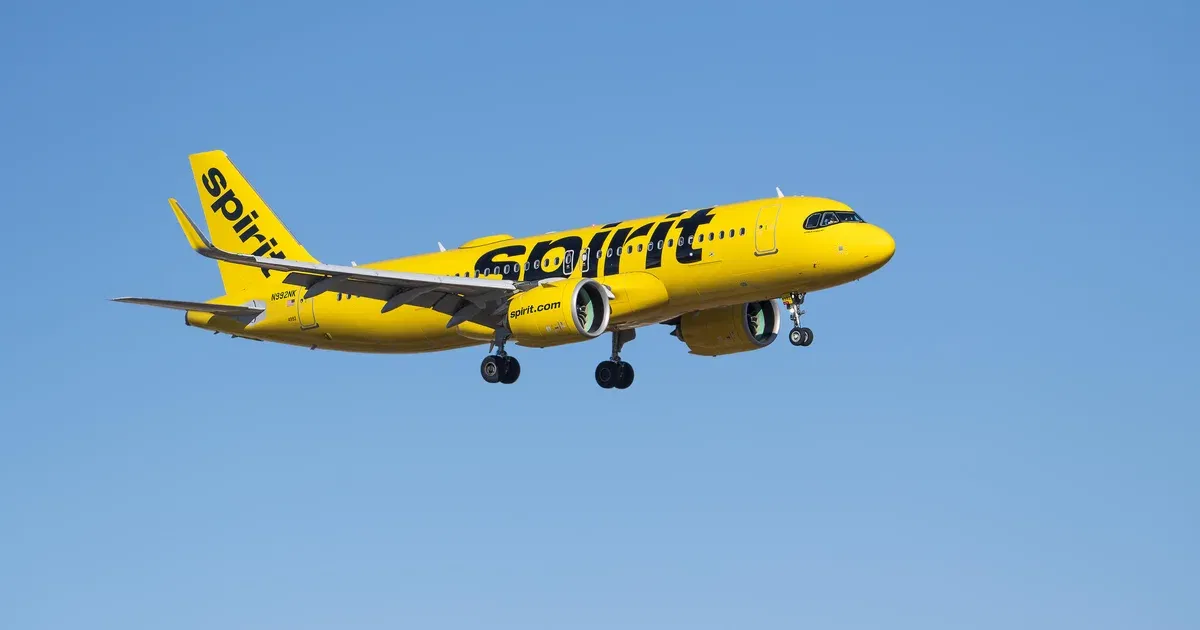
Spirit Airlines, the once high-flying ultra-low-cost carrier, is teetering on the edge of liquidation as skyrocketing fuel costs and a failed bankruptcy exit plan push the company toward a financial cliff. The airline has urgently asked the Trump administration for hundreds of millions in emergency bailout funding, marking one of the most dramatic corporate rescue pleas in recent aviation history. For investors watching the Spirit Airlines saga unfold, the situation offers critical lessons about bankruptcy investing, airline sector volatility, and the risks of betting on distressed companies during geopolitical uncertainty.
How the Bailout Request Unfolded: Inside Spirit's Desperate Plea
Spirit Airlines has formally approached the Trump administration about an emergency bailout to keep the beleaguered discount carrier in business and avoid liquidation due to skyrocketing fuel prices, according to CBS News. "Spirit is looking for a lifeline," a source familiar with the discussions told the network. The airline's creditors have grown increasingly concerned about its ongoing viability, with some questioning whether Spirit can make an upcoming multimillion-dollar debt payment as surging fuel prices drain its limited cash reserves.
Spirit executives and other low-cost carriers are expected to meet with Transportation Secretary Sean Duffy next week, though Duffy regularly meets with all discount carriers including Frontier, Allegiant, and Avelo. The Air Current was first to report the news about Spirit seeking government assistance, with multiple outlets confirming the story throughout the week. Spirit has not responded to requests for comment, while the Department of Transportation declined to comment on the ongoing discussions.
Timeline: How Spirit Airlines Went From Profit Machine to Bankruptcy Brink
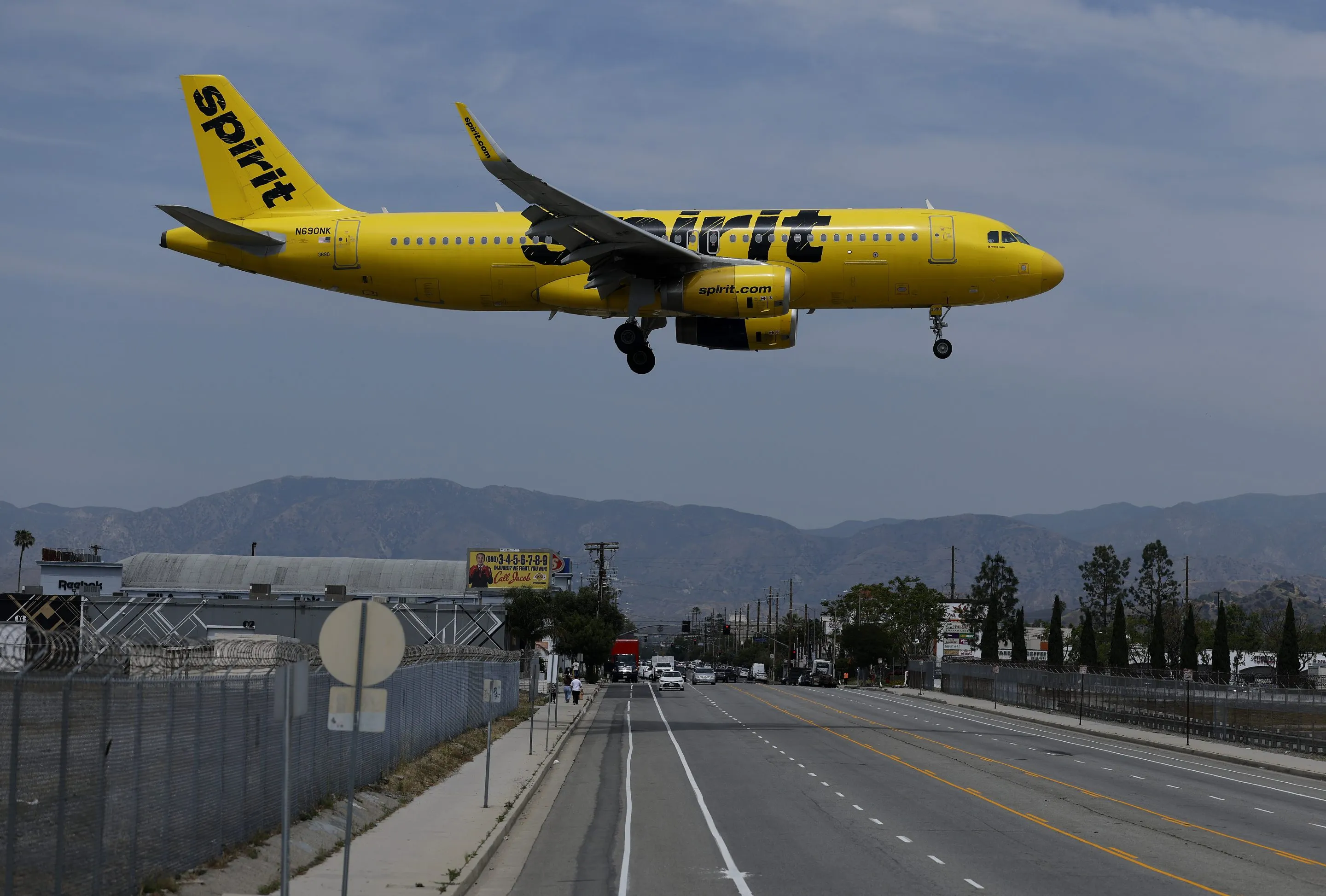
The Spirit Airlines collapse has been years in the making, but the current crisis accelerated rapidly in recent months. The ultra-low-cost carrier was expected to exit bankruptcy—its second since 2024—by this summer after reaching an agreement with creditors that would eliminate billions in debt and further shrink its fleet of Airbus jets. That deal came before fuel prices began spiking in late February due to the conflict in Iran, upending the airline's carefully crafted restructuring plan.
For years, Spirit was a profit machine in the no-frills travel segment, but since the pandemic, the airline failed to merge with JetBlue as consumer tastes changed to favor more premium travel experiences. The failed merger left Spirit in dire financial straits, leading to its first bankruptcy filing in 2024, followed by a second filing in August 2025. Now, with fuel costs soaring beyond projections, what was supposed to be a summer emergence from bankruptcy has turned into a potential liquidation scenario that could unfold within days.
Why Spirit's Crisis Matters: Expert Analysis and Investment Implications
"Spirit is flying on financial fumes," airline industry analyst Henry Harteveldt told CBS News. "I would tell Spirit flyers to start looking for backup reservations just to be on the safe side." The numbers paint a grim picture: Spirit had about $337 million in cash at the end of last year but faces approximately $360 million in additional costs, according to JPMorgan airline analyst Jamie Baker. This creates a negative cash position that creditors are watching closely.
For investors, the Spirit Airlines situation illustrates several critical lessons. First, bankruptcy exits are never guaranteed, especially when external factors like geopolitical conflicts disrupt carefully laid plans. Second, airline stocks remain exceptionally vulnerable to fuel price volatility, making them high-risk investments during periods of global instability. Third, the ultra-low-cost carrier model faces fundamental challenges as travelers increasingly prioritize comfort and reliability over rock-bottom fares.
Spirit's restructuring plan initially projected reducing debt and lease obligations from $7.4 billion pre-bankruptcy to approximately $2.1 billion post-emergence, according to Fortune. The airline planned to spend $2.24 per gallon for fuel in 2026 and $2.14 in 2027—assumptions that now appear wildly optimistic given current market conditions.
Where Things Stand Now: Latest Developments in the Spirit Saga
As of this week, Spirit Airlines faces a critical decision point that could determine its future. If enough creditors decide to pull the plug, operations could cease almost immediately, or creditors could give the airline some time to wind down operations. The company reported a $245.8 million loss in Q2 2025 alone, compared with Frontier's $70 million loss during the same period, highlighting Spirit's particularly precarious position within the budget airline segment.
The Trump administration's response to Spirit's bailout request remains uncertain. While some officials may view the airline as strategically important for maintaining competition in the low-cost travel market, others may question pouring taxpayer funds into a company that has already filed for bankruptcy twice in two years. The coming week's meeting between Spirit executives and Transportation Secretary Duffy will provide crucial signals about the government's willingness to intervene.
What Happens Next: The Road Ahead for Spirit and Its Investors
Spirit Airlines now faces three possible outcomes, each with different implications for investors and the broader airline industry. The first scenario involves a government bailout that provides enough funding to keep the airline operating through the current fuel price spike. The second possibility is a managed liquidation that winds down operations gradually to minimize disruption. The third—and most dramatic—outcome would be an immediate shutdown if creditors lose patience entirely.
For investors holding Spirit stock (currently trading as SAVEQ on the OTC market), the situation serves as a stark reminder of the risks inherent in bankruptcy investing. While some distressed debt investors may see opportunity in Spirit's deeply discounted bonds, equity investors face near-total wipeout in liquidation scenarios. The Spirit story also raises broader questions about the viability of the ultra-low-cost carrier model in an era of volatile fuel prices and changing consumer preferences.
The Bottom Line: Key Investment Takeaways
The Spirit Airlines crisis offers several critical lessons for investors navigating volatile markets. First, always consider external risk factors—like geopolitical conflicts affecting fuel prices—when evaluating turnaround stories. Second, understand that bankruptcy exits can be derailed by unexpected market shifts, making these investments exceptionally risky. Third, recognize that business models facing structural challenges (like ultra-low-cost carriers in a premium-focused travel market) may not recover regardless of financial engineering. Finally, remember that government intervention is never guaranteed, making bailout-dependent investments particularly speculative. As Spirit's fate hangs in the balance, investors would do well to apply these lessons to their broader portfolio decisions in the turbulent airline sector.