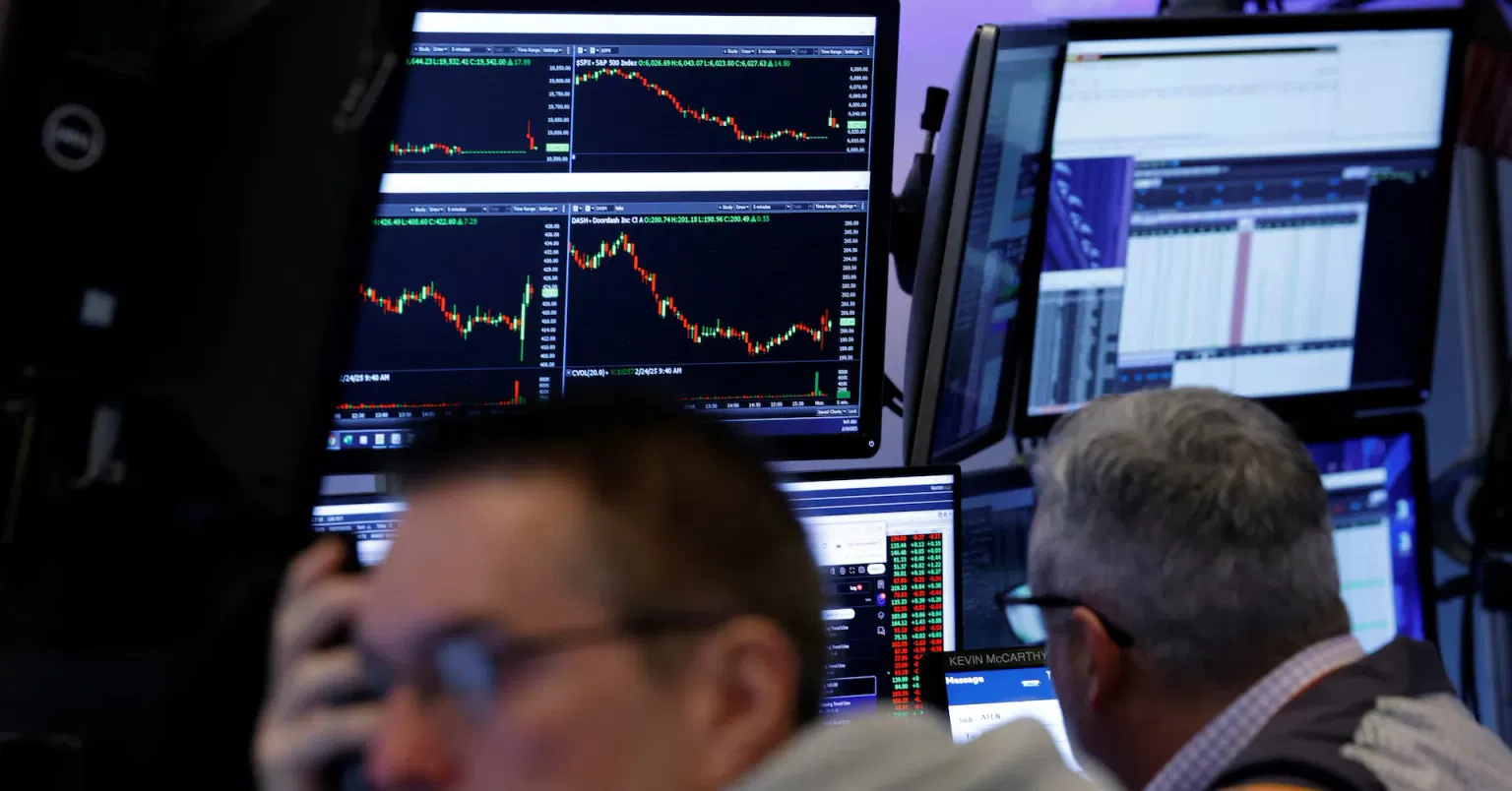
The VIX volatility index, Wall Street's premier fear gauge, surged to nearly 30 in early March 2025, marking its highest reading since the August 2024 market shock and triggering alarm bells across global financial markets. This dramatic spike came as former President Donald Trump's renewed tariff threats collided with growing recession concerns, creating a perfect storm of investor anxiety that saw the VIX jump over 80% in a single week. For investors trying to navigate the turbulence, understanding why this happened—and what it means for portfolios—has become the most pressing question of the moment.
How the VIX Surge Unfolded: Inside the Tariff-Driven Panic
The volatility explosion began on March 5, 2025, when Trump's "Liberation Day 2.0" tariff announcements sent shockwaves through global markets. According to Fortune's analysis, the VIX jumped from 15.8 to 28.6 in just four trading sessions—an 81% increase that reflected deepening concerns about a renewed U.S.-China trade war. Bloomberg reported that the index briefly touched 29.9 on March 10, coming within a hair of the psychologically important 30 level that typically signals extreme market stress. What made this surge particularly notable was its velocity: the VIX hadn't approached 30 since August 5, 2024, when similar tariff threats triggered a global selloff.
Reuters tracked the precise mechanism behind the spike: "Implied volatility in the S&P 500 as measured by the VIX index—Wall Street's so-called fear index—is now the highest since the Fed cut rates in response to the 2023 banking crisis." The report highlighted how recession risks provided "tinder for smoldering market volatility," with economic indicators suggesting weakening consumer spending and business investment just as trade tensions resurfaced. This combination proved explosive for volatility products, with VIX futures seeing record trading volumes as both hedgers and speculators positioned for further turbulence.
Timeline: How the VIX Crisis Developed Over 10 Critical Days
The road to the March spike followed a clear, escalating pattern that began with seemingly isolated events before snowballing into a full-blown volatility crisis. On February 28, the VIX sat at a relatively calm 15.2—below its long-term average of 19—as markets enjoyed what analysts called a "Goldilocks" environment of steady growth and contained inflation. That changed abruptly on March 3 when Trump's social media posts hinted at "big trade actions" coming, pushing the VIX to 18.7 by day's end.
March 5 brought the formal tariff announcement targeting $300 billion in Chinese goods, sending the VIX soaring to 24.1. March 6-7 saw European and Asian markets join the selloff, with the VIX climbing to 26.8 as global contagion fears spread. The peak arrived on March 10 at 29.9 before settling at 28.4 on March 11 as some investors began bargain-hunting. What's remarkable about this timeline is how closely it mirrors previous tariff-driven volatility events, particularly the April 2025 "Liberation Day" spike that saw the VIX briefly exceed 50 before markets recovered dramatically.
Why This VIX Spike Matters: Expert Analysis and Market Implications
Beneath the headline numbers lies a more nuanced story about what elevated volatility means for different market participants. WisdomTree's research team notes that "VIX spikes above 30 have historically preceded strong 12-month equity returns, with the S&P 500 averaging 15% gains in the year following such fear peaks." This contrarian perspective suggests that extreme fear often creates buying opportunities rather than signaling impending disaster. Their analysis of 25 years of VIX data shows that readings above 30 coincided with market bottoms approximately 80% of the time, with the subsequent recovery averaging 22% over the following year.
Yahoo Finance highlighted another bullish angle: "The VIX hit its 2025 high of 46.98 on April 7 as Trump tariff fears rippled through global markets... but that spike preceded a 35% broad rally in U.S. stocks over the next eight months." This pattern of "spike then surge" has become increasingly common in the post-2020 market environment, where algorithmic trading and options market dynamics can amplify short-term volatility while longer-term fundamentals remain intact. For active traders, these spikes create opportunities in VIX-related ETFs and options, though experts warn about the steep contango costs that can erode returns in volatility products.
Where Things Stand Now: The Latest on VIX and Market Volatility
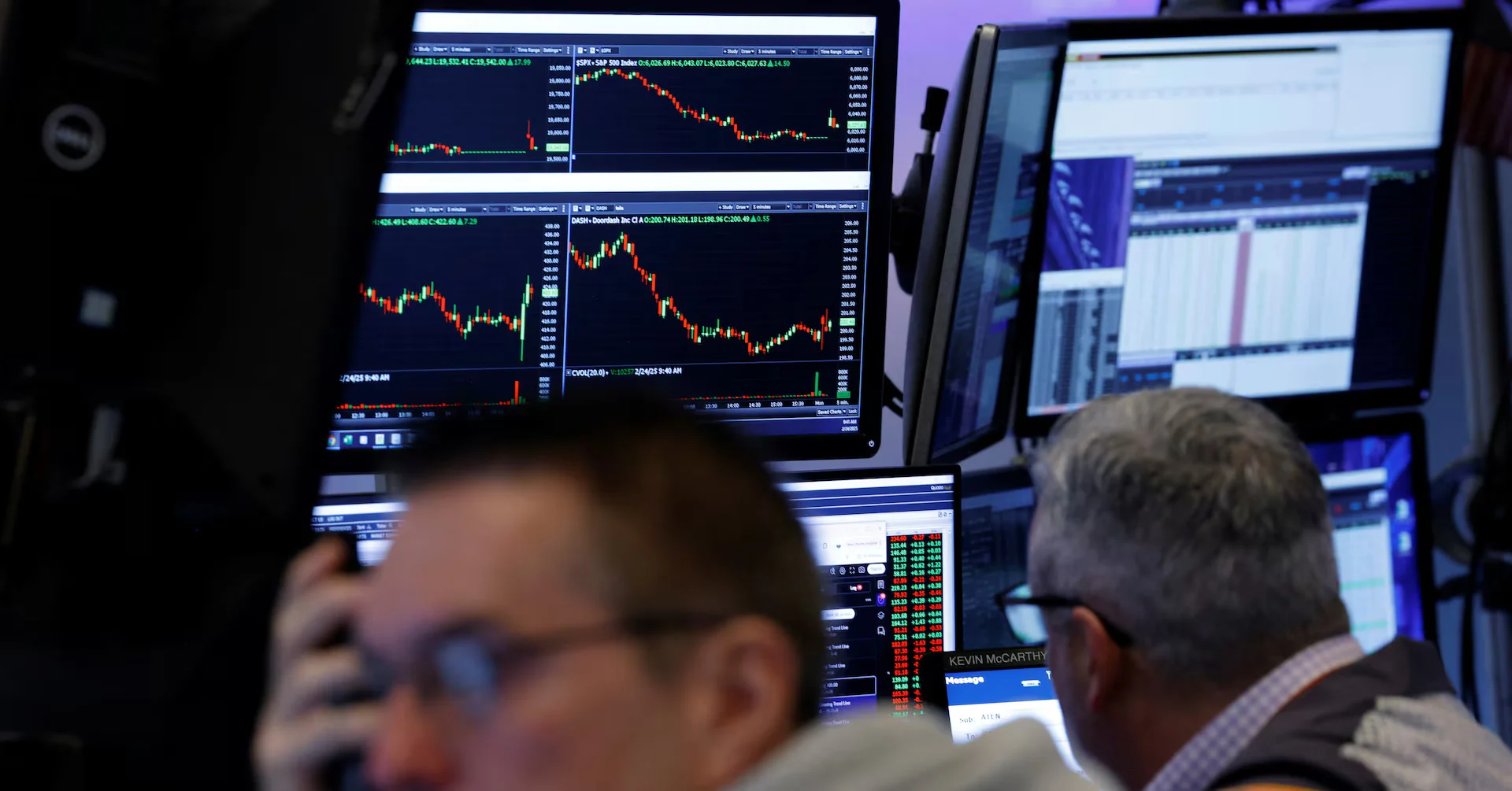
As of mid-March 2025, the VIX has retreated from its peak but remains elevated in the low 20s—well above the complacency zone below 15 that characterized much of late 2024. Trading desk reports indicate that institutional investors have significantly increased their volatility hedging, with put option volumes on the S&P 500 running 40% above historical averages. This suggests professional money managers are preparing for continued turbulence even as retail investor sentiment shows signs of stabilization.
The structural changes in volatility markets are equally important. Investing.com's year-end analysis notes that "the VIX's rapid normalization after spikes suggests modern markets absorb volatility shocks faster than historical periods, with mean reversion occurring in days rather than weeks." This compression of the fear cycle creates both challenges and opportunities: while it reduces the duration of market panics, it also demands faster reaction times from traders seeking to capitalize on volatility dislocations. The increasing popularity of 0DTE (zero days to expiration) options has further accelerated these dynamics, creating what some analysts call "volatility microbursts" that can spike the VIX dramatically within single trading sessions.
What Happens Next: The Road Ahead for Volatility and Investors
The critical question for investors is whether the March spike represents a temporary anomaly or the beginning of a new high-volatility regime. Historical patterns offer mixed signals: while VIX spikes above 30 have typically been followed by strong returns, sustained periods above 20 have sometimes preceded broader market corrections. The key differentiating factor appears to be the fundamental economic backdrop—when spikes occur during solid growth periods (as appears to be the case currently), they tend to be buying opportunities; when they coincide with recessionary conditions, they often warn of further declines.
Portfolio managers interviewed across major firms suggest three likely scenarios for the coming months. The bullish case (40% probability) sees the VIX settling back into the 15-18 range as trade tensions ease and economic data remains resilient. The baseline scenario (45% probability) anticipates continued volatility in the 20-25 range with periodic spikes around economic releases and geopolitical developments. The bearish case (15% probability) involves the VIX breaking above 30 and staying elevated, signaling deeper market stress that could test the 2024 lows. Most advisors recommend against making dramatic portfolio changes based solely on VIX movements, instead suggesting disciplined rebalancing and selective hedging through put options or inverse volatility ETFs for those particularly concerned about downside protection.
The Bottom Line: Key Takeaways from the VIX Surge
The March 2025 VIX spike serves as a powerful reminder that volatility never disappears—it only hibernates. For investors, several crucial lessons emerge from this episode. First, understand that VIX spikes often signal opportunity rather than catastrophe, particularly when economic fundamentals remain sound. Second, recognize that modern markets process fear differently than in previous decades, with faster mean reversion creating shorter but sharper volatility events. Third, consider using elevated VIX levels to review portfolio risk exposures and implement prudent hedges rather than making panic-driven sales. Finally, remember that the VIX measures expected volatility, not realized volatility—the gap between fear and reality frequently creates mispricings that disciplined investors can exploit. As the fear gauge continues its inevitable fluctuations, maintaining perspective may be the most valuable investment strategy of all.