South Korea's stock market just experienced its worst single-day crash in history, with the benchmark KOSPI index plunging 12% on March 4, 2026, wiping out over $500 billion in market value. As panic swept through trading floors, the KOSPI Volatility Index (VKOSPI) surged to its highest level since the 2008 financial crisis, while retail investors known as "ants" poured millions into leveraged VIX ETFs—raising critical questions about risk management, market contagion, and the growing global fascination with volatility trading.
How the KOSPI Crash Unfolded: A Perfect Storm of Geopolitics and Leverage
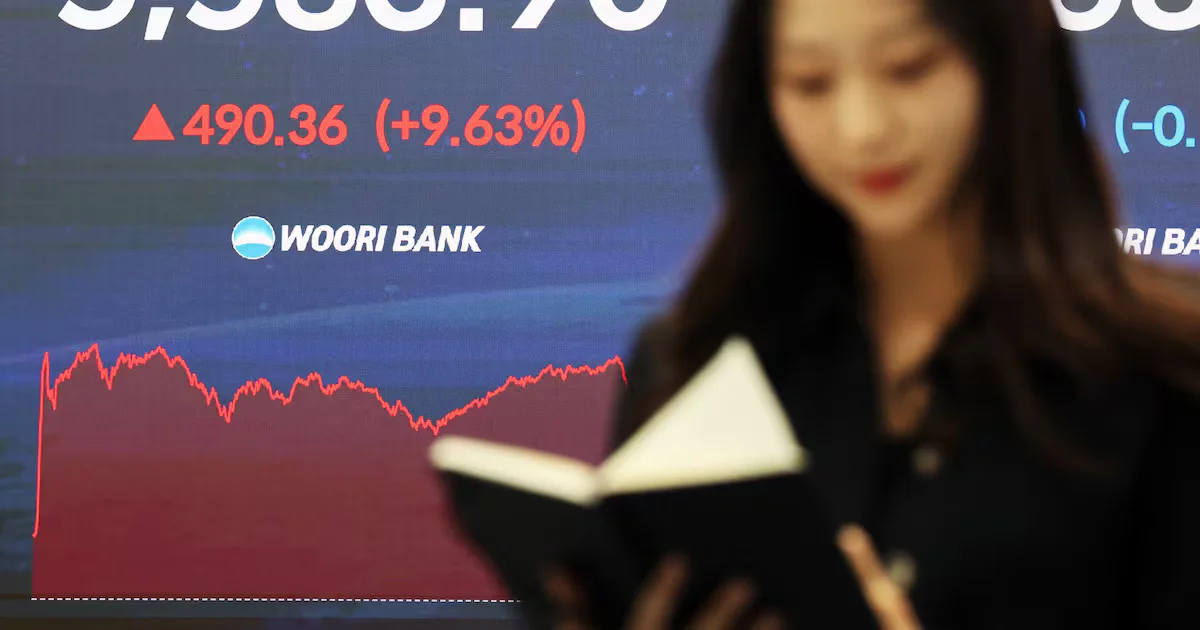
The sell-off began on March 3, 2026, when escalating Middle East tensions triggered a 7.2% drop in the KOSPI. The following day, the index collapsed an additional 12.06%, closing at 5,093.54—its largest single-day percentage loss ever recorded. According to Reuters, the crash erased approximately half a trillion dollars in market capitalization and sent the South Korean won to a 17-year low against the dollar.
Heavyweight stocks like Samsung Electronics, SK Hynix, and Hyundai Motor led the decline, each falling more than 10%. The plunge was exacerbated by massive foreign investor liquidation and forced selling from margin‑called retail traders. As Bloomberg reported, "Panic swept through South Korea's trading floors as concerns over the Middle East war sent the world's hottest stock market to its biggest-ever two‑day crash."
Timeline: From Record Highs to Historic Crash in 48 Hours
March 3, 2026: KOSPI falls 7.2% amid rising Iran‑war fears and foreign‑outflow warnings.
March 4, 2026: The index plunges 12.06%, the worst single‑day drop in its 46‑year history.
March 5, 2026: VKOSPI (KOSPI Volatility Index) spikes to 80.37 intraday, a level not seen since the 2008 financial crisis.
March 6, 2026: South Korea's stock market rebounds 12% in a dramatic recovery, though volatility remains elevated.
March 8, 2026: Reports surface that the VaR (Value‑at‑Risk) shock caused massive losses for long/short funds, triggering further algorithmic selling.
Why South Korean Retail Investors Are Betting Big on Leveraged VIX ETFs
Even before the crash, South Korean retail investors—often called "ants" for their collective strength—were quietly building one of the world's largest exposures to leveraged volatility products. According to data from the Korea Securities Depository, about $130 million flowed into the 2x Long VIX Futures ETF (UVIX) in 2025‑2026, making it one of the most popular U.S.‑listed ETFs among Korean investors.
"These leveraged VIX ETFs are used by those investors to gain greater profits during fear‑driven sell‑offs," said Francis Oh, Head of Business Development for Rex Shares LLC in Asia, in an interview with Longbridge. However, he cautioned that many retail investors "may not fully understand the technical details and risks of these securities."
The appeal is clear: with U.S. stock valuations near historical highs and Korean investors heavily exposed to Big Tech and crypto, leveraged VIX ETFs offer a way to hedge long positions or speculate on a market correction. Yet these products come with severe caveats. They are constructed using futures that require constant rebalancing—a process that typically involves "selling low and buying high" in normal markets, eroding value over time. Despite a 19% surge during the March volatility spike, the UVIX fund is still down 65% for 2025.

The Bigger Picture: What the KOSPI Crash Means for Global Markets
South Korea's market meltdown is not an isolated event. As Seeking Alpha analyst noted, "This crash signals systemic risk for global markets, especially in interconnected IT/AI sectors reliant on South Korean supply chains." The country is a critical producer of semiconductors, displays, and batteries; any prolonged disruption could ripple through global tech supply chains and amplify volatility worldwide.
Charlie McElligott, Managing Director of Macro Strategy at Nomura Holdings, observed that the massive inflows into VIX securities from South Korea coincide with "huge long positions" in leveraged U.S. equity ETFs. "They've put so much money into long‑side leveraged ETFs," McElligott said, "it's like 'steroids' meeting 'steroids.'" This stacking of leverage on leverage raises the specter of a liquidity crunch if volatility spikes further.
Where Things Stand Now: A Fragile Rebound and Elevated Fear
After the historic crash, the KOSPI staged a remarkable 12% rebound on March 6, but the recovery remains fragile. The VKOSPI index, though off its peak, continues to trade at levels triple its long‑term average. Foreign investors have continued to sell Korean stocks, with net outflows exceeding $13 billion in February alone.
Regulators are now scrutinizing the role of leveraged ETFs and margin trading in amplifying the sell‑off. South Korea's Financial Services Commission has already imposed stricter training requirements for retail investors trading U.S. leveraged ETFs, and further measures could be announced in the coming weeks.
What Happens Next: Predictions for Volatility and Investor Behavior
Analysts expect volatility to remain elevated as geopolitical tensions persist and global central banks navigate conflicting inflation and growth pressures. For South Korean retail investors, the allure of leveraged VIX products may grow—but so will the risks. Experts warn that a sustained period of high volatility could trigger a "roll cost" disaster for buy‑and‑hold VIX ETF investors, eroding their capital even if the fear gauge moves in their favor.
In the longer term, the KOSPI crash may accelerate a shift toward more robust risk‑management frameworks, both for individual investors and for the funds that cater to them. As one Seeking Alpha contributor put it, "This is a wake‑up call for anyone who thought the era of cheap money and endless rallies would last forever."
The Bottom Line: Key Points to Remember
- South Korea's KOSPI fell 12% on March 4, 2026—its worst single‑day drop on record—wiping out over $500 billion in market value.
- Retail "ants" have poured about $130 million into leveraged VIX ETFs this year, seeking to hedge U.S. stock exposure or bet on volatility.
- The KOSPI Volatility Index (VKOSPI) surged to 80.37, a level not seen since the 2008 financial crisis.
- Leveraged VIX ETFs carry unique risks, including roll costs that can destroy value even in rising‑volatility environments.
- Global investors should monitor Korean market volatility as a potential leading indicator for tech‑sector stress and broader market contagion.