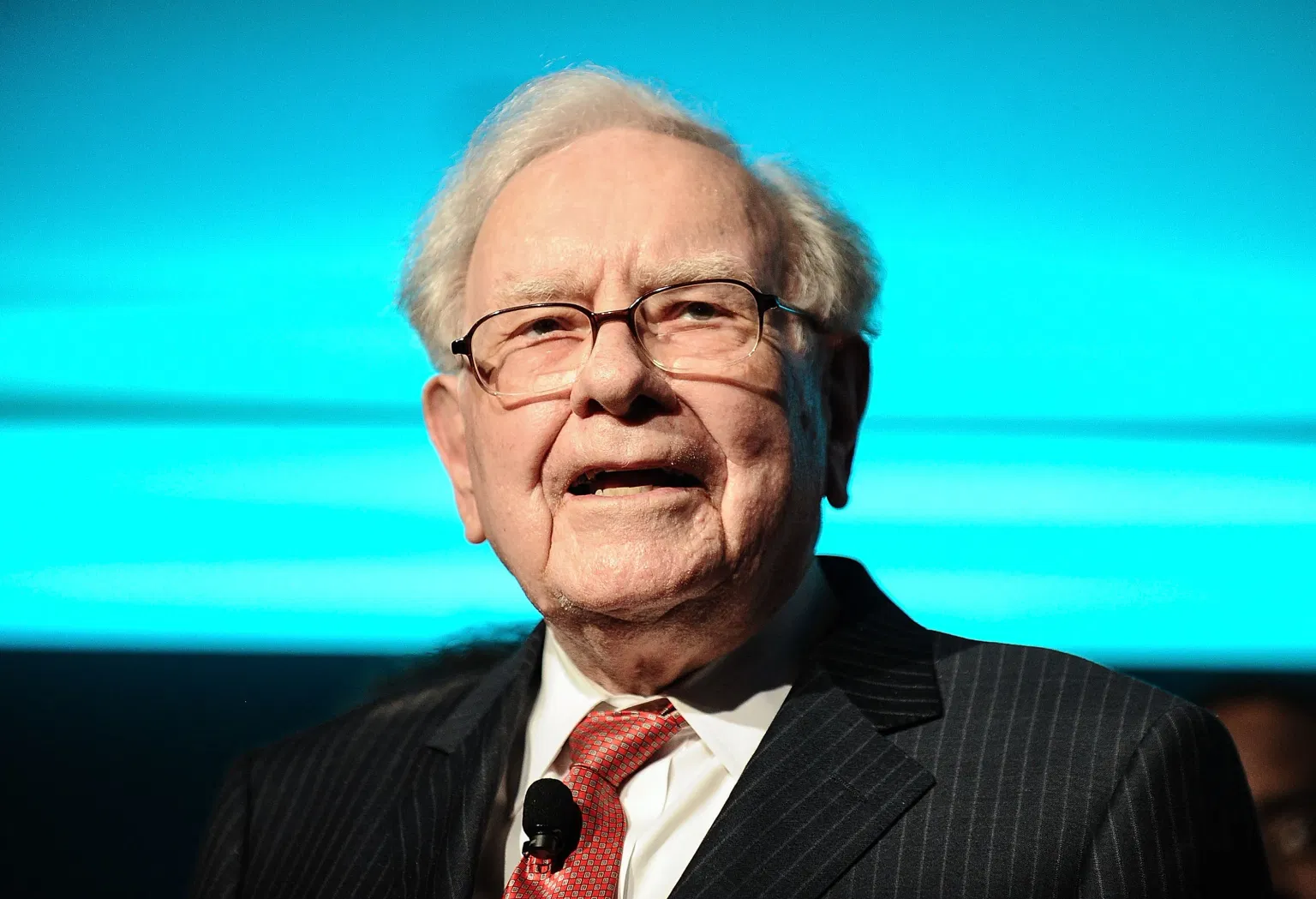
Warren Buffett has spent a lifetime building his reputation as the world's most successful investor, so when he starts hoarding cash at a record pace, Wall Street pays attention. Berkshire Hathaway ended the first quarter of 2026 with a staggering $397.4 billion in cash and short-term Treasury bills — the largest cash pile in the company's history and one of the biggest ever amassed by any corporation. For investors who follow the Oracle of Omaha's every move, this isn't just a number. It's a warning.
Inside Buffett's Record Cash Hoard: What $397 Billion Really Means
Berkshire Hathaway's cash reserves have been swelling for over a year. The company ended 2024 with roughly $334 billion in cash. By the end of the first quarter of 2025, that figure had grown to $348 billion. By year-end 2025, it had ballooned to over $381 billion. And now, under the leadership of Buffett's successor Greg Abel, Berkshire's cash holdings have crossed the $397 billion threshold — more than the individual market capitalizations of many S&P 500 companies.
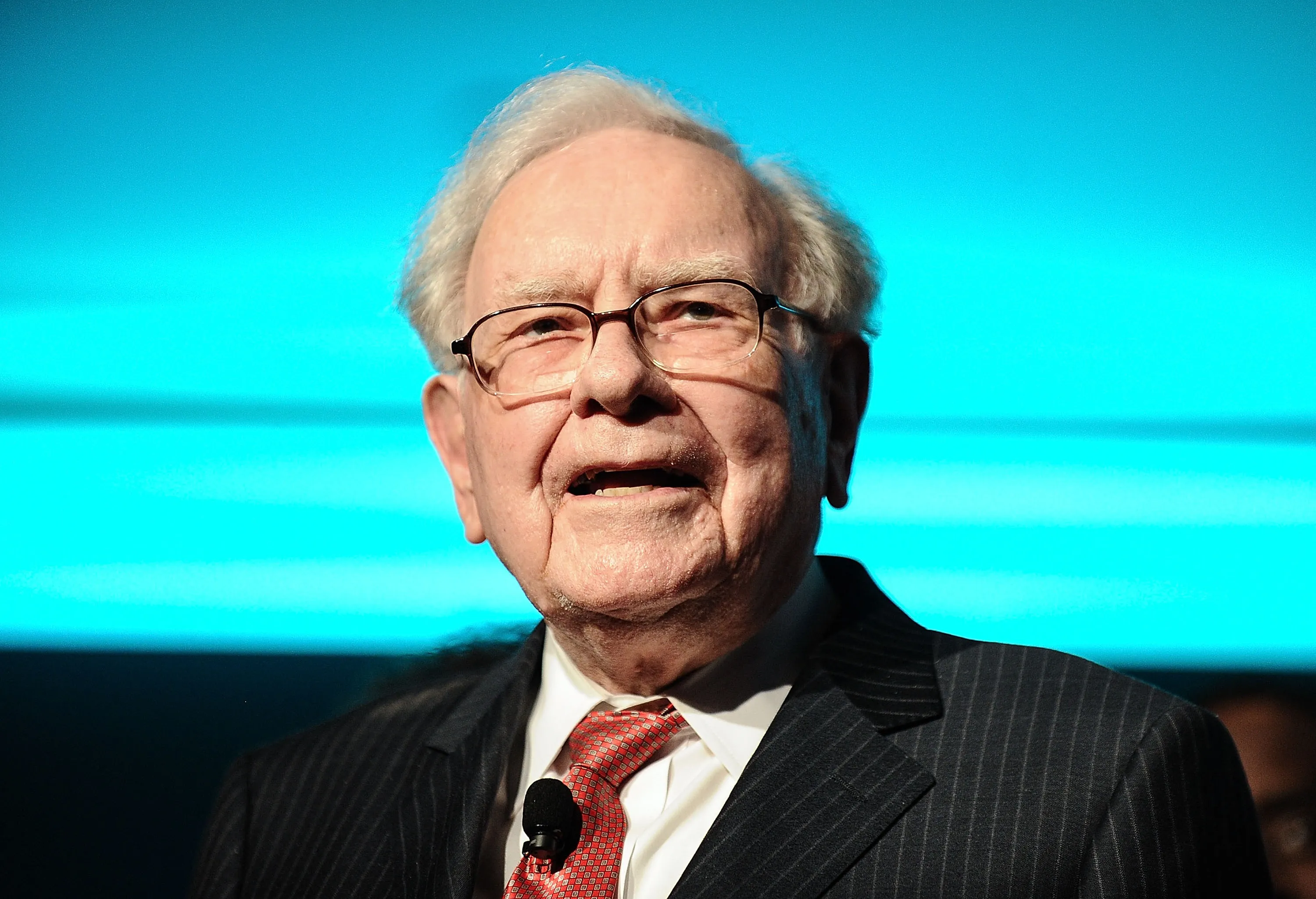
This isn't a case of Buffett simply loving the smell of freshly printed Treasury bills. In his 2025 annual letter to shareholders, Buffett made it clear that Berkshire "will never prefer cash over good businesses." Yet the data tells a different story. According to the Financial Times, Berkshire has been a net seller of stocks for 14 consecutive quarters, offloading major positions including significant portions of its Apple holdings while adding very few new names to the portfolio.
Timeline: How Berkshire's Cash Warning Has Grown Louder
The trajectory of Berkshire's cash pile tells a clear story of increasing caution. In February 2025, Buffett's annual letter revealed $334 billion in cash and warned Washington about fiscal responsibility. By May 2025, the pile had grown to $348 billion, and analysts began noticing the pattern. In December 2025, with the cash hoard approaching $382 billion, multiple publications — including Yahoo Finance and the Motley Fool — ran headlines calling it Buffett's "final warning to Wall Street."
The crescendo came in early 2026. In April, Fortune reported that the cash pile had reached $397 billion under Greg Abel's first quarter as CEO. A month later, Yahoo Finance declared it Buffett's "loudest warning yet." The company now holds more cash than the entire market capitalizations of companies like Netflix, Uber, or Airbnb.
The Buffett Indicator Flashes Red: Market Valuations Hit Historic Extremes
Buffett's caution becomes even more understandable when you look at his favorite valuation metric. The Buffett Indicator — which measures the total U.S. stock market capitalization against GDP — has surged to 227-232% as of mid-2026. That's more than double the long-term mean of roughly 106% and significantly above the level that preceded the 2000 dot-com crash.
In an April 2026 Fortune article, Shawn Tully wrote that the indicator "now stands at 227%, a figure that's around one-sixth higher than what he identified as the prepare-for-a-roasting line." The indicator has only climbed higher since. According to data from Current Market Valuation, the Buffett Indicator now suggests the U.S. stock market is "strongly overvalued." The last time it reached such extremes, investors who ignored the warning paid a heavy price.
The Investment Company Institute reported that U.S. equity fund inflows hit record levels in late 2025 and early 2026, with retail investors pouring money into stocks near all-time highs. Buffett himself was reported by CNBC to have expressed "displeasure with the investing backdrop," noting that the market increasingly resembles a casino rather than a place for sober capital allocation.
Where Things Stand Now: The Abel Era Begins with Caution
Greg Abel, who officially succeeded Buffett as Berkshire's CEO in 2026, has maintained the same cautious posture. Under his leadership, Berkshire continued selling stocks and adding to the cash pile through the first quarter. The company's operating earnings more than doubled, but capital deployment remained extremely conservative.
Attendance at Berkshire's 2026 annual meeting fell sharply without Buffett at the helm, according to Fortune, but the message remained the same. The company is keeping its powder dry, waiting for the right opportunity. Buffett has long said that "opportunities in investing come from other people doing dumb things." With market sentiment hitting extreme levels of greed, he may be betting that opportunity is just around the corner.
What Happens Next: Interpreting the Oracle's Silence
History offers some guidance on what comes next. After Berkshire built a similarly large cash position before the 2008 financial crisis, Buffett deployed capital at bargain prices, acquiring companies like Burlington Northern Santa Fe at distressed valuations. In 2020, he bought back record amounts of Berkshire stock. The pattern is consistent: Buffett builds cash when markets are expensive and deploys it during downturns.
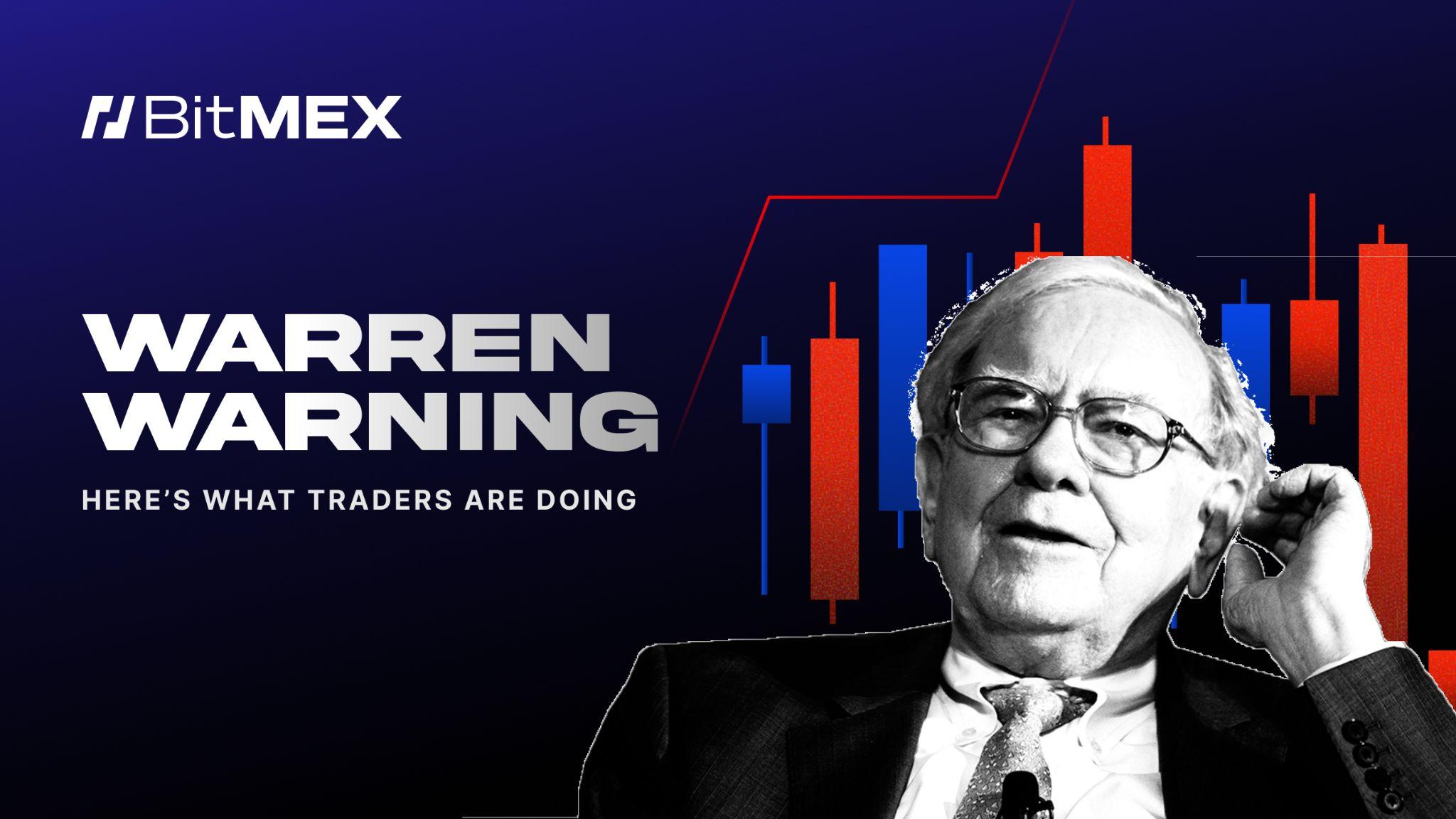
However, some analysts caution that the current environment is different. The S&P 500 trades at over 22 times forward earnings even after a pullback, while the Buffett Indicator suggests valuations are more extreme than at any point in modern history. "We've never had people in a more gambling mood," Buffett was reported as saying, according to the BitMEX blog's analysis of his recent comments.
The Bottom Line: Key Takeaways for Investors
Buffett's warning is not a prediction of an imminent crash, but a reflection of poor risk-reward in today's market. The key takeaway for individual investors is clear: when the world's greatest investor is holding $397 billion on the sidelines, it's worth asking whether your own portfolio is properly positioned. Building cash, focusing on quality, and waiting for better opportunities may be the most Buffett-like move you can make right now.
- Berkshire's $397B cash pile is the largest in its history, signaling extreme caution from the world's most famous investor
- The Buffett Indicator at 227-232% suggests stocks are more overvalued than at any point since the metric was created
- Berkshire has been a net seller of stocks for 14 quarters, trimming positions in Apple and other major holdings
- Retail investor sentiment has reached extreme levels of greed, historically a contrarian indicator
- Greg Abel continues Buffett's cautious approach, suggesting the warning remains in full effect