
The global currency exchange landscape entered 2025 with unprecedented volatility and dramatic shifts that have reshaped investment strategies worldwide. The US dollar's surprising strength, the euro's remarkable resurgence, and emerging market currency swings have created both risks and opportunities for investors navigating the $1.4 trillion foreign exchange market. As central bank policies diverge and geopolitical tensions persist, understanding these currency dynamics has become essential for anyone with international investments or exposure to forex markets.
The Dollar's Dominance and Global Currency Shakeup
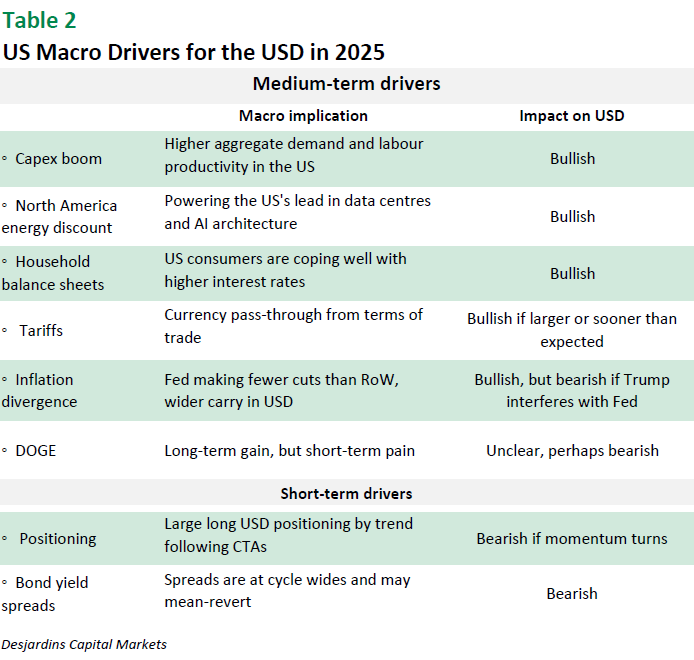
The US dollar surged 7% in 2024 on a DXY basis, marking its third year of substantial gains in four years, according to MUFG Research's January 2025 foreign exchange outlook. This momentum carried into 2025, with the dollar jumping to a two-year high in the first trading day of the year as reported by Reuters. The greenback's strength has been driven by expectations of sustained US economic growth, higher interest rate differentials, and its traditional safe-haven status during periods of global uncertainty. However, this dollar strength has created significant headwinds for emerging markets and contributed to what analysts are calling "the great currency divergence" of 2025.

Timeline: How Currency Markets Evolved Through 2025
The currency exchange story of 2025 unfolded through several distinct phases that redefined traditional trading patterns. January began with dollar strength reaching two-year highs as markets priced in continued US economic outperformance. By March, attention shifted to emerging markets as wild currency swings put currencies like the Brazilian real, Turkish lira, and South African rand in the spotlight, with Investing.com noting these markets experienced volatility spikes to two-year highs. The second quarter saw the euro begin its surprising comeback, climbing from approximately 1.03 against the dollar in January to the mid-1.13s by late May. Summer brought intervention concerns as the Japanese yen approached historical lows, prompting speculation about Bank of Japan actions. The year concluded with the euro posting a 14% gain against the dollar according to Currencynews.co.uk's year-end review, marking one of the single strongest annual performances in the EUR/USD pair's history.
Why Forex Volatility Is Higher Than Ever in 2025
What sets 2025 apart in currency markets isn't just the presence of volatility but its persistence, speed, and complexity. Tradequo's analysis identifies divergent central bank policies as the primary driver, with the Federal Reserve, European Central Bank, Bank of Japan, and emerging market central banks moving in different directions based on local inflation and growth conditions. This policy divergence has created unprecedented interest rate differentials that have amplified currency movements. Additionally, geopolitical tensions, particularly around trade policies and regional conflicts, have added layers of uncertainty. The growing adoption of algorithmic and high-frequency trading has also contributed to faster, more pronounced market moves, while the increasing correlation between currency markets and other asset classes like equities and commodities has created new transmission channels for volatility.
The Bigger Picture: What These Currency Shifts Mean for Investors
For investors, the 2025 currency landscape presents both significant challenges and unique opportunities. The strong dollar has created headwinds for US multinational corporations with overseas revenues, while benefiting companies with domestic focus and import-heavy businesses. International investors holding dollar-denominated assets have seen currency gains amplify their returns, but those with emerging market exposure have faced both currency losses and increased volatility. Cambridge Associates' 2025 currencies outlook suggests that while the dollar may strengthen further in early 2025, moderating US economic growth and eventual Fed rate cuts could lead to dollar weakness later in the year. Meanwhile, the forex market itself continues to expand, with Technavio projecting the market will grow by $582 billion from 2024-2029 at a 10.6% CAGR, and Yahoo Finance's strategic business report estimating the global market will reach $1.4 trillion by 2030 from $791.2 billion in 2023.
Where Currency Markets Stand Today
As of early 2025, currency markets remain in a state of heightened alertness. The dollar maintains its strength but shows signs of being overextended, particularly against the euro which has demonstrated surprising resilience. The Japanese yen remains near historical lows in both nominal and real trade-weighted terms according to Fitch Ratings, though moderate recovery is expected through 2026. Emerging market currencies continue to experience outsized volatility, with some analysts viewing current levels as potential entry points for contrarian investors. Central bank interventions have become more frequent, particularly in Asia, as authorities seek to manage currency fluctuations that could threaten economic stability. The overall trading environment suggests that the days of predictable, low-volatility currency markets are behind us, replaced by a new normal of frequent, sharp movements.
What Happens Next: The Road Ahead for Currency Exchange
The trajectory of currency markets through the remainder of 2025 will depend on several critical factors. Federal Reserve policy decisions will be paramount, with any shift toward rate cuts likely to weaken the dollar against major counterparts. European economic performance will determine whether the euro's 2025 gains are sustainable or represent a temporary recovery. Geopolitical developments, particularly around trade policies and international conflicts, will continue to inject uncertainty and drive safe-haven flows. Technological evolution in forex trading, including the growth of decentralized finance and digital currencies, may begin to influence traditional currency markets more substantially. For investors, maintaining currency awareness and considering hedging strategies will be essential, as will flexibility to adapt to what promises to be a continuously evolving foreign exchange environment.
Key Takeaways for Currency Market Participants
The currency exchange landscape of 2025 teaches several important lessons. First, traditional correlations and relationships have broken down in the face of divergent monetary policies and geopolitical shifts. Second, volatility is no longer an occasional feature but a persistent characteristic of modern forex markets. Third, emerging market currencies offer both higher potential returns and significantly greater risks. Fourth, the dollar's dominance remains intact but faces growing challenges from both economic fundamentals and policy shifts. Finally, successful currency investing in this environment requires continuous monitoring, disciplined risk management, and willingness to adapt strategies as market conditions evolve. For those who can navigate these complexities, currency markets in 2025 present some of the most compelling opportunities in global finance.