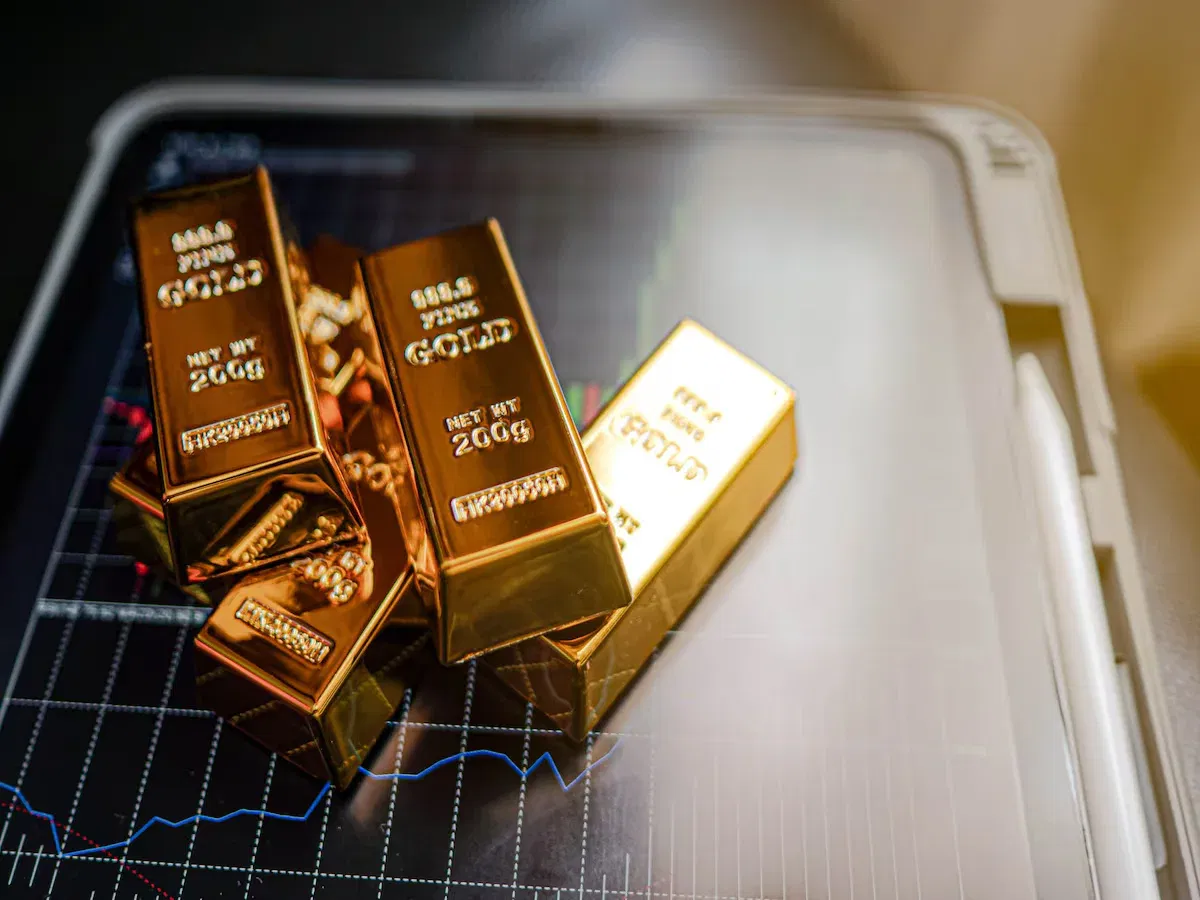
Gold prices wrapped up 2024 with their strongest annual performance in over a decade, gaining more than 21% despite a slight dip on the final trading day of the year. As investors closed out positions on December 31, spot gold settled at $2,606.72 per ounce, down $17.21 from the previous session but significantly higher than where it started the year. The precious metal's remarkable rally—which saw prices surge nearly 27% at their peak—was driven by a perfect storm of central bank buying, geopolitical uncertainty, and shifting expectations around Federal Reserve interest rate policy.
What Drove Gold's December Surge and Year-End Volatility?
The final month of 2024 saw gold prices experience characteristic holiday-season volatility, with light trading volumes amplifying price movements. According to CNBCTV18, spot gold added 0.2% on December 24, reaching $2,618.59 per ounce, while US gold futures gained 0.2% to $2,632.00. This modest advance came amid anticipation of changes in US trade policies and the Federal Reserve's interest rate plans for 2025.
The Federal Reserve continued its rate-cutting cycle in December but signaled fewer cuts for 2025, creating uncertainty for gold investors. Higher interest rates typically reduce gold's appeal as a non-yielding asset, but the metal's safe-haven status helped maintain demand throughout the month. Kelvin Wong, Senior Market Analyst at OANDA, noted that investors were closely watching US President-elect Donald Trump's trade tariff policies, as potential trade retaliation could boost gold's safe-haven demand.
Key Gold Price Movements in December 2024
December's gold price action reflected the broader narrative of 2024: strong underlying demand punctuated by periodic profit-taking. The month began with gold dropping as a strong dollar snapped a four-session rally on December 2. However, prices quickly recovered, hitting a two-week high of $2,692.32 on December 10 as China vowed policy stimulus and traders anticipated US inflation data.
The mid-month period saw gold reach a five-week peak before profit-taking pulled prices back down by over 1% on December 12. Later in the month, gold erased gains after US data cemented the Fed's hawkish stance, with spot gold falling to $2,589.91 on December 17—its lowest level since November 18. The final week brought some recovery, with prices climbing after soft US inflation data on December 20, though gold still recorded a weekly loss.
Expert Insights: Why Gold's Rally Could Continue in 2025
The World Gold Council's Full Year 2024 report reveals the fundamental drivers behind gold's impressive performance. Central bank buying—which topped 1,000 tonnes for the third consecutive year—along with a return of Western ETF investment lifted gold demand to a record 4,974 tonnes (US$382 billion). The LBMA gold price reached 40 new record highs during 2024, with the average Q4 price of US$2,663/oz also setting a record.
"Gold has risen nearly 27% this year, marking its best performance since 2010," according to CNBCTV18's analysis. "This rise was driven by central bank buying, geopolitical tensions, and easing monetary policies from major banks." Jateen Trivedi, VP Research Analyst at LKP Securities, expects gold to trade between ₹75,800 per 10 grams and ₹76,900 per 10 grams in the near term in Indian markets, with holiday season slowdowns potentially leading to range-bound, sideways movement.
Where Gold Stands as We Enter 2025
As markets closed on December 31, gold ended 2024 higher with an annual gain of over 21%, according to Argaam data. However, the precious metal recorded monthly and interim losses of 1.5%, shrinking its annual gain from higher levels earlier in the year. The US dollar index, which measures the greenback against a basket of currencies, played a significant role in gold's year-end performance.
Kitco reported that gold gained on year-end position evening, with prices solidly higher in midday US trading on the final day of 2024. This pattern suggests that institutional investors were adjusting portfolios for the new year, potentially creating support for gold prices in early 2025.
Gold Price Forecasts and Investment Considerations for 2025
Looking ahead, gold's trajectory in 2025 will depend on several key factors: the pace of Federal Reserve rate cuts, geopolitical developments, central bank buying patterns, and the strength of the US dollar. While gold has traditionally performed well during periods of monetary easing, the Fed's signal of fewer cuts in 2025 could create headwinds.
For investors considering gold allocations, the metal continues to serve as a valuable portfolio diversifier and hedge against uncertainty. "Given the uncertainty in global markets, gold remains a solid hedge against risks," notes CNBCTV18's analysis. "If you're looking to protect your wealth, gold could be a smart buy, especially if you're prepared for moderate price movements in the near term."
However, experts caution that investors should keep an eye on market developments and adjust their strategies if prices shift significantly. The record-high prices seen in 2024 may not be sustainable without continued strong central bank demand and persistent geopolitical tensions.
Key Takeaways for Investors
Gold's 2024 performance—with gains exceeding 21%—represents its best year since 2010 and outperformed most major asset classes. The rally was driven by unprecedented central bank buying (over 1,000 tonnes for the third straight year), geopolitical uncertainty, and expectations of monetary policy easing. While December saw some volatility and profit-taking, the underlying demand fundamentals remain strong.
As we enter 2025, gold investors should monitor: Federal Reserve policy decisions, particularly regarding the pace of rate cuts; central bank gold buying trends, especially from emerging market institutions; geopolitical developments that could boost safe-haven demand; and the strength of the US dollar, which inversely correlates with gold prices. For those considering adding gold to their portfolios, dollar-cost averaging and focusing on physical gold or reputable ETFs may provide the best risk-adjusted exposure to this historically resilient asset.