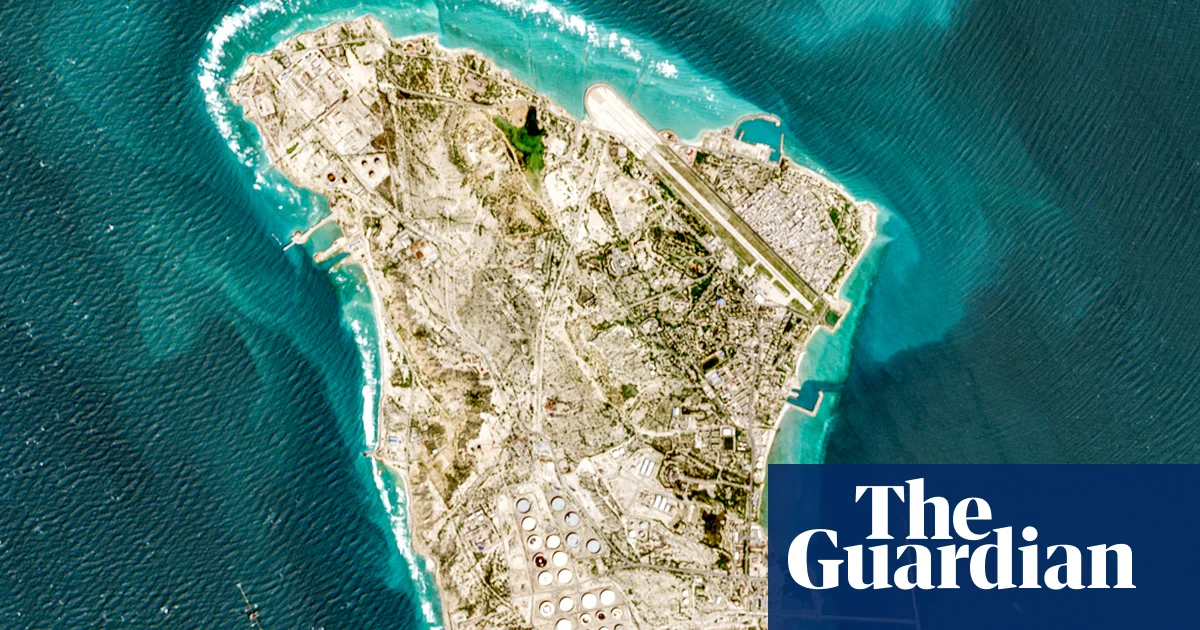
The United States has launched large-scale military strikes on Iran’s Kharg Island, a tiny but strategically vital oil hub that handles 90% of the country’s crude exports. The attack, which President Donald Trump said "totally obliterated" military targets while sparing oil infrastructure for now, has sent shockwaves through global energy markets and pushed oil prices above $100 per barrel. For investors, the escalation represents one of the most significant oil market crises in decades, with analysts warning that a direct hit on Kharg’s oil facilities could send Brent crude soaring to $150 or higher.
How the Kharg Island Strike Unfolded: Inside the Attack
In the early hours of March 14, 2026, U.S. forces conducted what Central Command called a "precision strike" on Kharg Island, hitting more than 90 Iranian military targets including naval mine storage facilities and missile storage bunkers. The island, located just 15 miles off Iran’s coast in the Persian Gulf, is home to Iran’s largest oil export terminal and serves as the physical gateway for approximately 1.7 million barrels per day of crude exports. President Trump announced the operation on Truth Social, stating that U.S. forces had deliberately avoided striking the island’s oil infrastructure—but warned that could change if Iran interferes with shipping through the Strait of Hormuz.
Iran responded swiftly, with its Revolutionary Guard Corps warning that "all oil and gas infrastructure in the region in which the U.S. and its allies have interests will be set on fire and destroyed" if Iranian energy facilities are targeted. This threat extends beyond Kharg to include oil installations across the Gulf, where U.S. allies like Saudi Arabia, the UAE, and Qatar operate critical export terminals. The immediate market reaction saw Brent crude jump to $102 per barrel, while West Texas Intermediate (WTI) traded near $99.30—both at levels not seen since 2022.
Timeline: How the Kharg Island Crisis Developed
The road to this confrontation began weeks earlier when Iran effectively shut down the Strait of Hormuz—the narrow waterway through which 20% of global oil flows—by deploying mines and harassing commercial shipping. On February 28, U.S. and Israeli forces launched initial strikes against Iranian nuclear and military sites, escalating a conflict that had been simmering for months. In the week leading up to the Kharg attack, Iran had increased oil loadings at the island to a record 3.79 million barrels per day, apparently anticipating further hostilities.
March 13-14 marked the decisive escalation. After Iran refused to reopen the Strait of Hormuz, Trump authorized the Kharg Island strike. Iranian state media reported more than 15 explosions on the island, targeting air defenses, a naval base, an airport control tower, and a helicopter hangar. Crucially, oil infrastructure remained untouched—a calculated decision to avoid triggering an immediate oil price spike while demonstrating military capability. However, with shipping through the Strait still blocked and Iran vowing retaliation, the situation remains dangerously volatile.
Why Kharg Island Matters: The Numbers Behind the Crisis
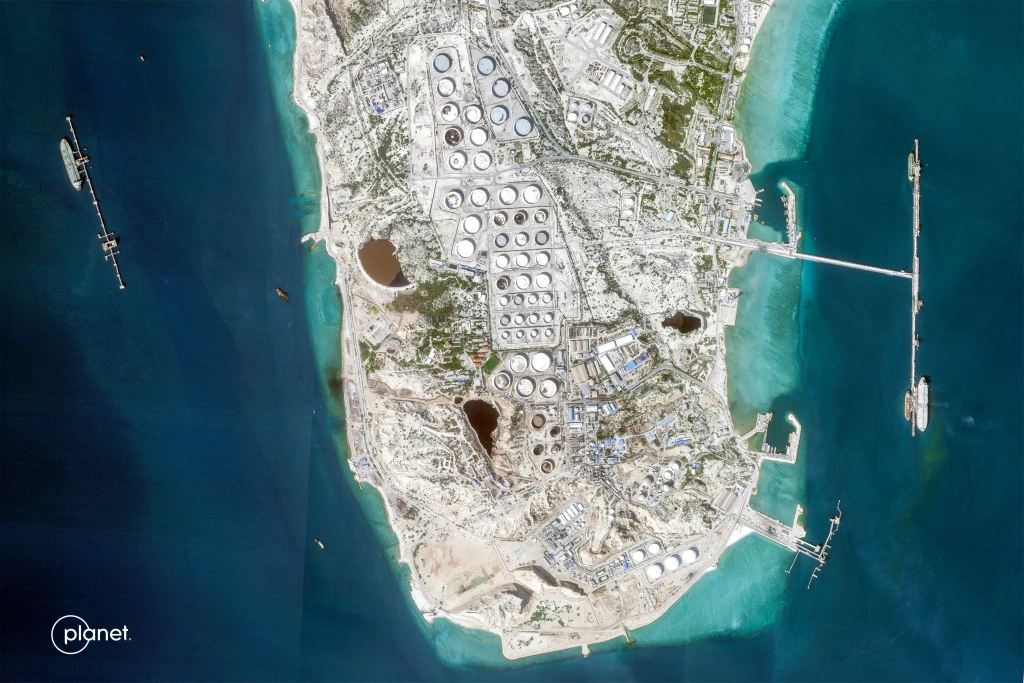
Kharg Island isn’t just another oil facility—it’s the beating heart of Iran’s economy and a linchpin of global energy security. The island’s technical specifications explain why its vulnerability has markets on edge:
- Export Capacity: Can load up to 7 million barrels per day—more than the total exports of Iraq or Canada
- Storage: Holds approximately 30 million barrels of crude in storage tanks
- Physical Scale: Five miles long with waters deep enough to accommodate 10 supertankers simultaneously
- Market Share: Before the war, handled 1.7 million barrels daily, representing 11.6% of China’s seaborne oil imports
- Economic Impact: Generated $53 billion in net oil export revenues for Iran in 2025—about 11% of the country’s GDP
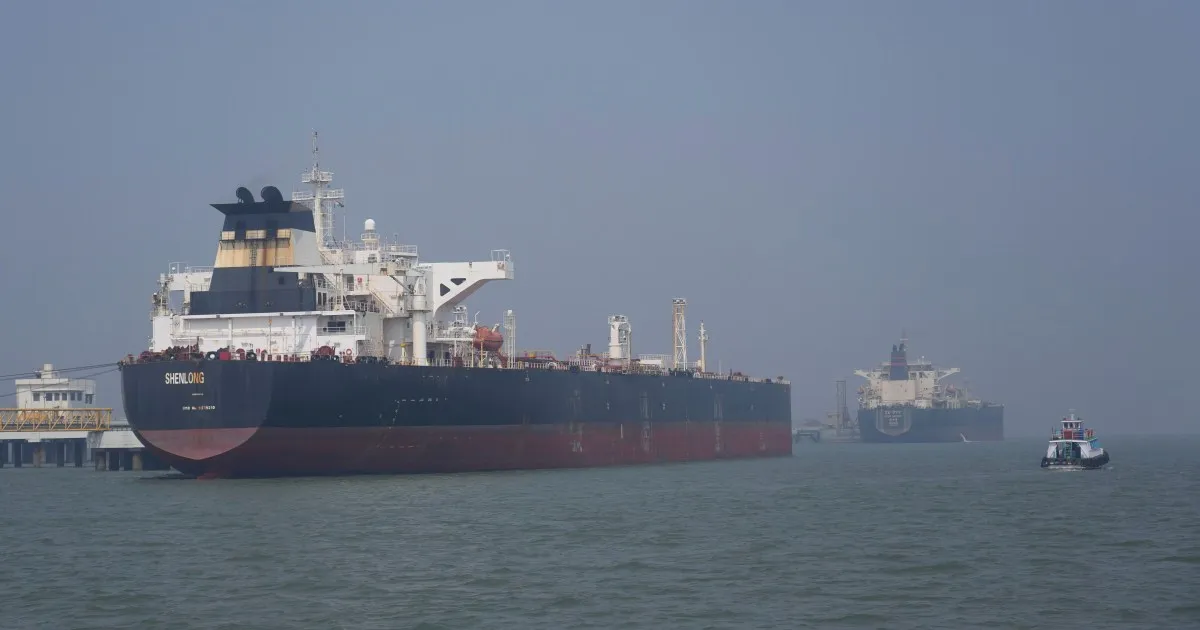
According to Petras Katinas, an energy researcher at the Royal United Services Institute, Kharg Island "serves as the physical hub enabling Iranian crude exports and the primary gateway for oil revenues." Its strategic importance is amplified by geography: located 300 miles northwest of the Strait of Hormuz, it represents both Iran’s economic lifeline and its most vulnerable point. If the U.S. were to seize the island—a scenario Trump has reportedly considered—it would effectively cut off Iran’s oil revenues and give Washington enormous leverage in negotiations.
Where Things Stand Now: The Current Oil Market Situation
As of March 14-15, 2026, the oil market finds itself in uncharted territory. Brent crude has stabilized above $100 per barrel, but trading volumes are thin as many market participants adopt a wait-and-see approach. The physical market shows increasing stress: shipping insurance rates for Gulf tankers have skyrocketed, and some operators are avoiding the region entirely. Despite the conflict, oil continues to flow from Kharg Island at reduced rates of 1.1-1.5 million barrels per day, according to TankerTrackers.com data.
Financial markets are pricing in substantial risk premiums. JP Morgan analysts warned before the strike that attacks on Kharg would "immediately halt the bulk of Iran’s crude exports, likely triggering severe retaliation in the Strait of Hormuz or against regional energy infrastructure." Their worst-case scenario sees oil prices spiking to $150-$200 per barrel if the island’s loading facilities are damaged. Meanwhile, gold has surged to record highs as investors seek safe-haven assets, while energy stocks show extreme volatility depending on companies’ exposure to Middle Eastern operations.
What Happens Next: Investment Implications and Market Scenarios
For investors, the Kharg Island crisis presents both dangers and opportunities. Three potential scenarios could unfold:
- De-escalation (Probability: 30%): Diplomatic efforts succeed in reopening the Strait of Hormuz, and both sides avoid further attacks on oil infrastructure. Oil prices retreat to $80-$90 range. Energy stocks rebound, particularly those with Gulf exposure.
- Contained Conflict (Probability: 50%): Military actions continue but avoid major oil facilities. Oil prices trade between $100-$120 as risk premiums remain elevated. Alternative energy and North American producers benefit from higher prices.
- Full Escalation (Probability: 20%): Kharg’s oil infrastructure is damaged or seized, Iran retaliates against Gulf allies’ facilities, and the Strait of Hormuz remains closed. Oil prices spike above $150, triggering global recession fears. Safe-haven assets (gold, Swiss franc, U.S. Treasuries) soar.
Dan Pickering, Chief Investment Officer of Pickering Energy Partners, summarizes the stakes: "You take out Kharg infrastructure, then you take two million barrels per day out of the market for good—not until the Straits get fixed." This supply shock would disproportionately benefit oil companies with production outside the Middle East, particularly U.S. shale producers and Canadian oil sands operators. Conversely, airlines, transportation companies, and energy-intensive manufacturers would face severe margin pressure.
The Bottom Line: Key Takeaways for Investors
The Kharg Island strikes represent a fundamental shift in global energy risk assessment. Investors should:
- Monitor Strait of Hormuz shipping data for signs of normalization or further disruption
- Diversify energy holdings toward producers in secure regions (North America, Brazil, West Africa)
- Increase exposure to energy alternatives including renewables, nuclear, and natural gas
- Maintain hedges through gold, Swiss franc, or volatility instruments
- Watch diplomatic channels—particularly U.S.-China discussions, as Beijing is Iran’s largest oil customer
While the immediate focus is on oil prices, the broader implications extend to currency markets, inflation expectations, and global growth projections. As the International Energy Agency noted in its latest emergency assessment, "The Kharg Island situation reminds us that geopolitical risk has returned as a primary driver of energy markets after years of being suppressed." For savvy investors, understanding these dynamics isn’t just about protecting portfolios—it’s about identifying opportunities in what may become the defining market story of the decade.