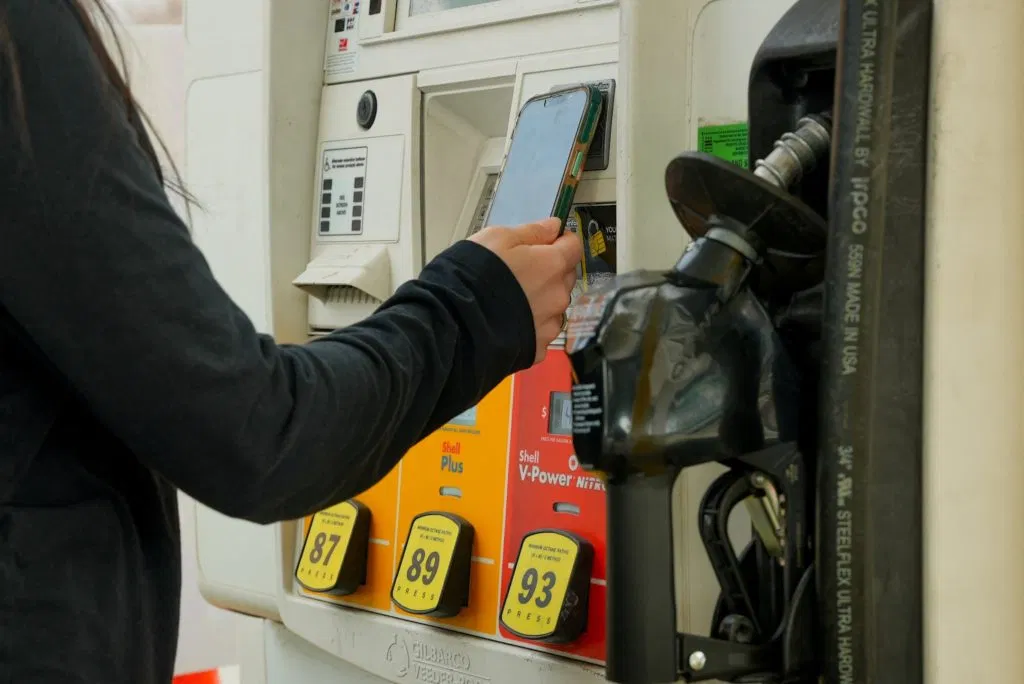
The global oil market is experiencing its most dramatic volatility in years as the Iran conflict sends shockwaves through energy markets and investment portfolios. Brent crude oil prices surged to nearly $120 per barrel earlier this week before falling back to around $91, creating both risks and opportunities for investors navigating this turbulent landscape. With gasoline prices already up nearly 50 cents per gallon and stock markets swinging wildly, understanding the investment implications of this geopolitical crisis has become crucial for every portfolio.
How the Iran Conflict Unleashed Oil Market Chaos
The sudden escalation of hostilities between the US-Israel coalition and Iran triggered immediate panic in global energy markets. Within hours of the conflict's intensification, oil prices skyrocketed as traders priced in the potential closure of the Strait of Hormuz, a critical chokepoint that handles approximately 20% of global oil shipments. "What drove the prices up, of course, was the shutting of the Strait of Hormuz," explained Daniel Yergin, vice chairman of S&P Global and renowned energy expert, in an interview with PBS NewsHour. "Amplified by the fear of attacks on the very extensive infrastructure on the Arab side of the Gulf."

The price spike was short-lived but devastating. Brent crude, the global benchmark, reached $119.70 per barrel on Monday—its highest level since June 2022—before plummeting to $87 by Tuesday's close. This extreme volatility reflects what energy analysts are calling a "fear premium" that could return at any moment. According to AP News reporting, U.S. oil prices have increased by roughly 42% from their pre-war levels, jumping from about $67 before the conflict to approximately $95 per barrel.
From $120 to $90: The Rollercoaster Week in Oil Prices
The timeline of events reveals just how sensitive oil markets have become to geopolitical developments. On March 8, 2026, oil prices began climbing as tensions escalated, reaching $100 per barrel for the first time in over three years. By March 9, prices crossed $110, then surged to nearly $120 on March 10 as Iran explicitly threatened to block the Strait of Hormuz. The turning point came when President Trump suggested the conflict could end "very soon," causing prices to plummet nearly 10% in a single trading session.
As of March 11, 2026, Brent crude has stabilized around $91.14 per barrel, representing a 3.80% increase from the previous day but still significantly elevated from pre-conflict levels. This volatility has been mirrored in gasoline prices, with the national average rising nearly 50 cents per gallon since the fighting began, according to PBS NewsHour data. The RAC motoring group reported that UK petrol prices had increased by 6.12p to 138.95p per liter, while diesel rose by 12.74p to 155.12p.
What Oil Volatility Means for Your Investment Portfolio
For investors, the oil price shock represents both danger and opportunity. Energy stocks initially surged but have since given back some gains as uncertainty persists. Major producers like Shell and Exxon Mobil have seen their shares stagnate despite higher oil prices, suggesting markets doubt the sustainability of current price levels. "The spike in oil prices basically ends any chance of a market 'melt-up,'" warned one Wall Street veteran quoted by MarketWatch.

Daniel Yergin warns of a potential "nightmare scenario" if the conflict drags on, creating sustained supply disruptions. For investment portfolios, this means several key considerations: First, energy sector allocations may need rebalancing—while traditional oil companies benefit from higher prices, renewable energy stocks could see increased interest as nations seek energy independence. Second, transportation and manufacturing sectors face margin pressure from higher fuel costs. Third, inflation-sensitive assets like Treasury Inflation-Protected Securities (TIPS) and commodities may offer hedging opportunities.
"The war in Iran, which has pushed up oil prices to around $100 a barrel, is scrambling the path the Federal Open Market Committee may have seen for interest rates," reported Yahoo Finance, highlighting how this crisis could delay or reverse expected rate cuts. This creates implications for bond portfolios and interest-rate sensitive sectors like real estate and utilities.
Where Oil Markets Stand Today
Current market dynamics reveal a tense equilibrium. OPEC has confirmed a significant Saudi oil production increase ahead of the conflict, with Saudi Arabia ramping up crude output by roughly 8% last month according to OPEC data reported by Reuters. Despite this, OPEC has maintained its global oil demand growth forecast for 2026 at 1.38 million barrels per day, suggesting the organization believes market fundamentals remain strong.
Meanwhile, Iran has warned that oil could reach $200 per barrel if the conflict escalates further. Three more ships were reportedly hit in the Gulf on Wednesday, keeping the Strait of Hormuz effectively blockaded. The International Energy Agency has announced a coordinated release of 400 million barrels of stockpiled oil to ease global disruption, but analysts question whether this will be sufficient if the conflict persists.
Investor Outlook: Navigating the Oil Price Storm
Looking ahead, investors face several possible scenarios. In a quick-resolution case where diplomatic solutions prevail, oil prices could retreat to the $70-$80 range, benefiting consumer-facing sectors and easing inflation concerns. However, in a prolonged conflict scenario, prices could remain elevated or spike higher, potentially triggering stagflation—the dangerous combination of rising inflation and slowing economic growth.
Strategic adjustments for investors include: diversifying energy exposure beyond traditional oil stocks to include renewable energy and energy efficiency companies; increasing allocations to inflation-protected assets; reducing exposure to highly leveraged companies in transportation and manufacturing; and considering tactical positions in oil futures or energy ETFs for those with higher risk tolerance. As BBC News analysis notes, "The conflict could affect households through higher petrol and heating bills, increased food prices due to transportation costs, and potential impacts on pension funds invested in affected markets."
Key Investment Takeaways from the Oil Price Shock
The Iran conflict has delivered a powerful reminder that geopolitical risks remain a major factor in investment outcomes. Key lessons for investors include: 1) Maintain diversified energy exposure across traditional and alternative sources; 2) Monitor geopolitical developments as part of regular portfolio review; 3) Consider inflation hedging strategies during periods of energy price volatility; 4) Be prepared for increased market volatility and position sizing accordingly; 5) Focus on companies with strong pricing power that can pass increased energy costs to consumers.
As Daniel Yergin concludes, "What would get one to the nightmare scenario would be an extended period" of conflict and disruption. For investors, the challenge is navigating between the current reality of elevated prices and the potential for either resolution or escalation. By understanding the dynamics at play and adjusting portfolios strategically, investors can position themselves to manage risks while potentially capturing opportunities in this volatile environment.