
Global oil prices plummeted more than 15% to below $100 per barrel on Wednesday after the United States and Iran agreed to a conditional two-week ceasefire, sparking one of the largest stock market rallies in recent history. The Dow Jones Industrial Average surged over 1,300 points as investors breathed a sigh of relief that a prolonged Middle East conflict could be avoided, dramatically shifting market dynamics for energy investors and reshaping sector allocations.
How the Ceasefire Unfolded: Inside the Market's Dramatic Reaction
The announcement came after months of escalating tensions that had pushed Brent crude prices to their highest levels since the conflict began. According to multiple financial reports, the ceasefire agreement triggered an immediate and massive repricing of risk assets across global markets. The Dow's 1,300-point gain represents one of its largest single-day percentage increases in over a decade, while the S&P 500 jumped 2.7% and the Nasdaq composite surged even higher.
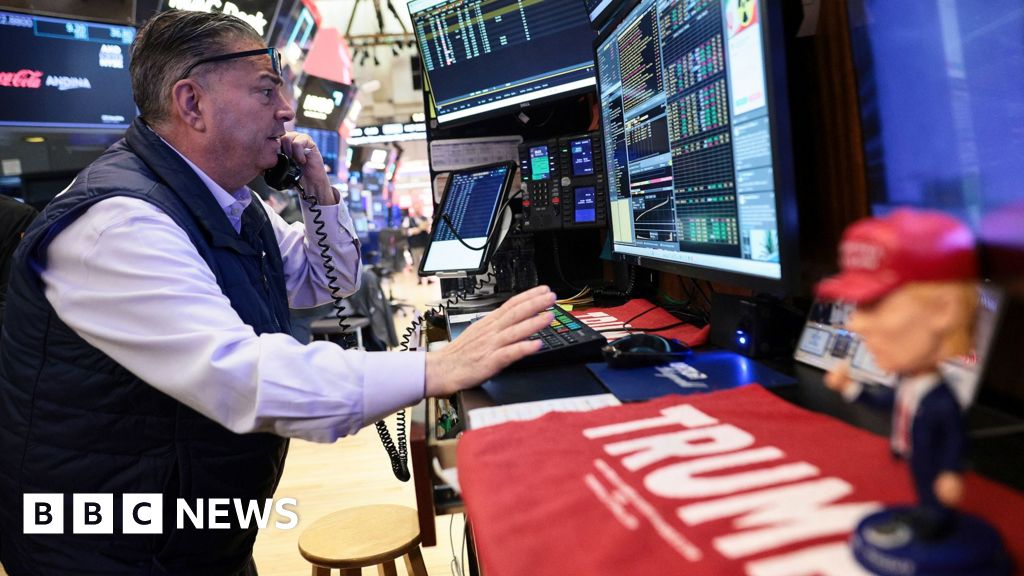
"This is exactly the kind of geopolitical de-escalation that markets have been praying for," noted analysts at The Guardian, describing how the ceasefire removed what had been the single largest uncertainty hanging over global markets. The immediate effect saw Brent crude futures fall from over $115 per barrel to below $100, while West Texas Intermediate (WTI) crude dropped below $94. For investors, the dramatic price movement represents both opportunity and risk depending on their sector exposure.
Timeline: From March Conflict to April Ceasefire
The road to Wednesday's dramatic market moves began in early March when escalating military actions between Iran and Israel disrupted shipping through the critical Strait of Hormuz, through which about 20% of the world's oil passes. Reuters reported on March 1 that oil prices had surged more than 8% to their highest levels in months as tankers were damaged and shipments disrupted.

By mid-March, the conflict had pushed Brent crude above $120 per barrel, creating what economists warned could be a significant inflationary shock to the global economy. Federal Reserve officials had begun signaling that rate cuts planned for 2026 might need to be delayed or even reversed if energy prices continued climbing. The situation reached a critical point last week when diplomatic channels between Washington and Tehran intensified, culminating in Wednesday's announcement of a two-week ceasefire that could potentially extend if both sides maintain their commitments.
Why This Matters: Investor Implications and Sector Impacts
The dramatic reversal in oil prices creates clear winners and losers across investment portfolios. Energy sector stocks, particularly exploration and production companies, face immediate headwinds as their revenue projections adjust to lower price assumptions. Major integrated oil companies with diversified operations may see some cushioning from their downstream refining and chemical operations, which typically benefit from lower input costs.
Conversely, transportation companies—especially airlines and shipping firms—stand to gain significantly from reduced fuel expenses. The AP reported that airline stocks surged following the ceasefire announcement, with some carriers seeing double-digit percentage gains. Consumer discretionary stocks also rallied as investors anticipated that households would have more spending power with lower gasoline prices, potentially boosting retail and automotive sectors.
Perhaps most significantly for broader market direction, the oil price plunge dramatically alters the inflation outlook. With energy being a major component of consumer price indices, Wednesday's move increases the likelihood that the Federal Reserve could resume interest rate cuts later this year. According to Yahoo Finance analysis, "Oil's plunge helped fuel bets that the Federal Reserve will resume interest rate cuts this year, given the lower risk of sticky inflation." This shift in monetary policy expectations provided additional fuel for the equity market rally, particularly benefiting rate-sensitive sectors like technology and real estate.
Where Things Stand Now: Oil Prices and Market Sentiment
As of Thursday morning, oil prices have stabilized in the $95-98 range for Brent crude, still significantly below pre-ceasefire levels but well above where they traded before the Middle East conflict escalated in March. Market analysts note that prices remain elevated compared to historical averages, reflecting ongoing supply concerns and the conditional nature of the ceasefire agreement.
The stock market rally has shown signs of continuing, though at a more measured pace. The Wall Street Journal reported that "investors are now reassessing their exposure to energy and related sectors while increasing allocations to beneficiaries of lower oil prices." This sector rotation represents one of the most significant portfolio adjustments since the conflict began, with trillions of dollars in market capitalization shifting between industries.
What Happens Next: The Road Ahead for Energy Markets
The critical question for investors now is whether the ceasefire holds and potentially extends beyond the initial two-week period. Diplomatic sources suggest that if both sides demonstrate good faith during this cooling-off period, more permanent arrangements could follow. However, markets are pricing in considerable uncertainty, with oil futures curves showing backwardation (higher prices for near-term delivery) that reflects lingering concerns about supply disruptions.
For energy investors, this environment creates both challenges and opportunities. Many analysts recommend maintaining exposure to integrated oil majors with strong balance sheets and diversified operations rather than pure-play exploration companies. Meanwhile, the transportation sector offers compelling value as lower fuel costs flow directly to bottom-line profits. As one portfolio manager quoted by Barrons noted, "This is exactly the kind of catalyst that can drive sustained outperformance for airlines and other fuel-sensitive industries for quarters to come."
Key Takeaways for Investors
The dramatic market moves following the US-Iran ceasefire offer several important lessons for investors:
- Geopolitical risk remains a major market driver: The speed and magnitude of Wednesday's moves demonstrate how quickly geopolitical developments can repricing entire asset classes.
- Sector rotation opportunities are real: The divergence between energy stocks and transportation/consumer stocks highlights the importance of tactical sector allocation during periods of commodity price volatility.
- Inflation dynamics are shifting: Lower oil prices reduce near-term inflationary pressures, potentially changing the trajectory of monetary policy and benefiting rate-sensitive assets.
- Risk management matters: Investors with diversified portfolios across sectors and geographies weathered the volatility better than those with concentrated exposures.
- Stay informed on diplomatic developments: The situation remains fluid, and further developments in US-Iran relations could trigger additional market moves in either direction.
As markets continue to digest these developments, the clearest investment implication is that a new set of sector leadership may be emerging—one where transportation, consumer discretionary, and technology stocks potentially outperform energy and materials in the coming months. However, given the conditional nature of the ceasefire and the history of Middle East tensions, maintaining some defensive positioning and staying nimble remains prudent for investors navigating this rapidly changing landscape.