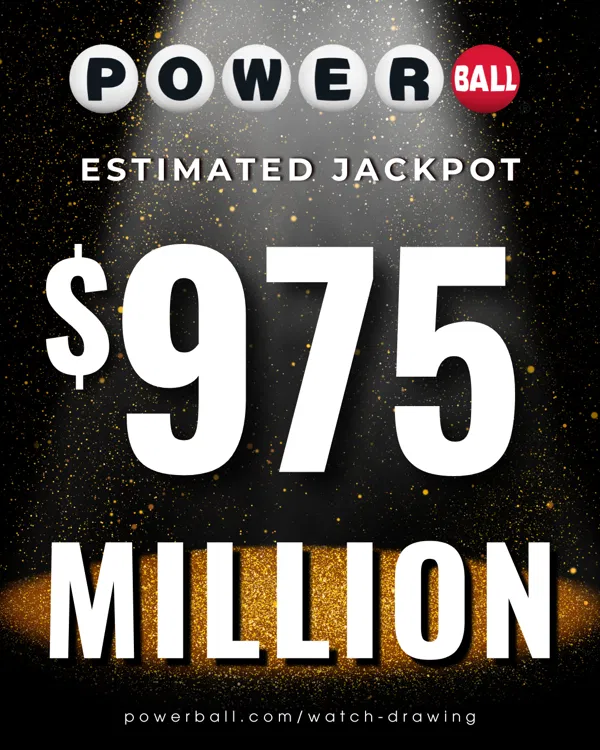
The Powerball jackpot has surged to an estimated $975 million with a cash value of $422.3 million for the Wednesday, August 12 drawing, making it the eighth-largest prize in the game's history and the biggest jackpot of 2026 so far. After 43 consecutive drawings without a grand prize winner — the last jackpot was claimed on May 2 when two tickets in Florida and Texas split a $20 million prize — the pot has ballooned to near-billion-dollar territory, capturing national attention and sending ticket sales soaring.
But while millions of Americans are lining up for their chance at life-changing wealth, financial experts say the real challenge begins the moment your numbers are called. "Winning the lottery is the easy part," wealth managers often remind clients. "Keeping and growing that money is where most winners stumble."
The $975 Million Jackpot: By the Numbers
Monday night's drawing on August 10 produced the white ball numbers 6, 37, 54, 55, and 64, with red Powerball 10 and a Power Play multiplier of 3x. While no ticket matched all six numbers, the drawing wasn't without significant winners: two tickets sold in California and Maryland matched all five white balls to claim $1 million each, while a Tennessee ticket that included the Power Play add-on doubled its prize to $2 million.
The current jackpot run began after the May 2 drawing, when two lucky tickets split a relatively modest $20 million jackpot. Since then, the prize has grown steadily through 44 consecutive drawings without a grand prize winner — a streak that has pushed this jackpot into rarified territory. Only seven Powerball jackpots in history have been larger, topped by the record $2.04 billion won in California on November 7, 2022.
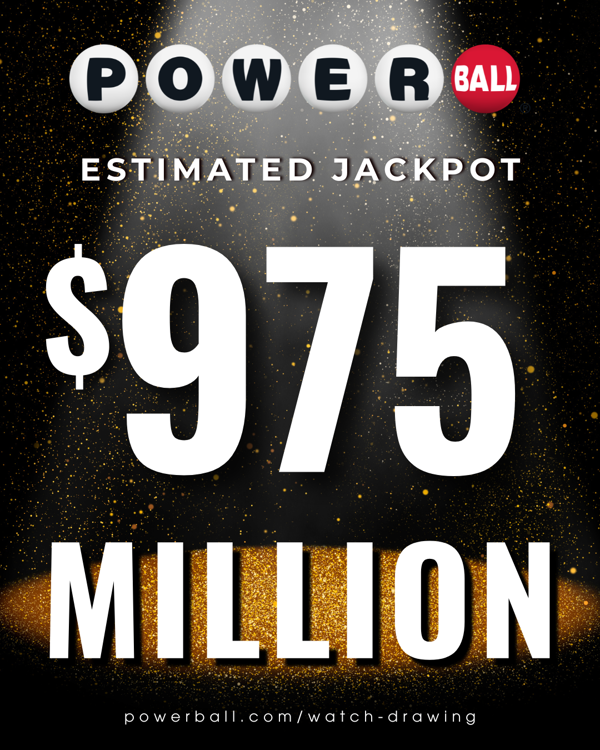
Wednesday's drawing also marks a milestone as one of the first massive jackpots since the United Kingdom joined Powerball on July 21, 2026 — the game's first international expansion — meaning the winner pool now spans across the Atlantic, though odds remain unchanged for U.S. players at 1 in 292.2 million.
Lump Sum or Annuity? The Million-Dollar Decision
If you beat those astronomical odds, your first major financial decision comes immediately: take the lump sum or the annuity. For the current $975 million jackpot, the cash option sits at approximately $422.3 million — less than half the advertised prize. The annuity spreads payments across 30 graduated installments over 29 years, starting smaller and increasing by 5% annually to account for inflation.
Financial planners overwhelmingly favor the lump sum for one key reason: control. "When you take the cash, you can invest it immediately in a diversified portfolio and potentially outperform the annuity's implicit return rate," explains many certified financial planners. Historically, a well-managed, conservatively invested portfolio of stocks and bonds has delivered average annual returns that can exceed the annuity's effective yield — and you maintain full liquidity.
However, the annuity offers its own compelling advantage: it functions as a forced savings mechanism. Lottery winners who take the annuity can't blow through their entire fortune in one catastrophic spending spree — a tragically common outcome. Research on past lottery winners shows that those who choose the annuity tend to preserve their wealth longer, simply because they receive it in controlled increments.
The Tax Reality: Your $422 Million Isn't Really $422 Million
Before you start shopping for private islands, understand the tax bite. The IRS immediately withholds 24% for federal taxes on lottery winnings. But that's just the down payment — lottery winnings push recipients into the top 37% federal income tax bracket, meaning winners will owe significantly more when they file their returns. On a $422.3 million cash payout, the effective federal tax burden could approach $156 million.
State taxes add another layer of complexity — and opportunity. Eight states (California, Florida, New Hampshire, South Dakota, Tennessee, Texas, Washington, and Wyoming) do not tax lottery winnings at the state level. But in states like New York or Maryland, state income taxes can claim an additional 8% to 10% or more. Where you buy your ticket and where you live both matter enormously.
Smart winners immediately work with a qualified CPA to estimate their total tax liability and set aside the appropriate reserves — ideally in low-risk, short-term instruments like Treasury bills or money market funds — before making any large purchases or investments.
Assembling Your Financial Dream Team
The single most important action any lottery winner can take, according to wealth management professionals, is assembling a team of advisors before claiming the prize. This team should include:
A qualified estate planning attorney who can help you claim the prize through a trust or legal entity if your state allows it — preserving anonymity where possible. Anonymity is perhaps the most undervalued asset a lottery winner can possess, shielding you from endless solicitation, scams, and personal security risks.
A certified public accountant (CPA) with experience handling sudden wealth events. The tax planning alone is complex enough to warrant expertise, but a good CPA will also help structure your finances to minimize future tax burdens year after year.
A fee-only certified financial planner (CFP) who acts as a fiduciary — legally obligated to put your interests first. Avoid commission-based advisors who may steer you toward high-fee products that benefit them more than you. Your CFP should help you build a conservative, income-generating portfolio designed to preserve capital and produce sustainable withdrawals for decades.
Investing a Windfall: The Conservative Blueprint
With $422 million in hand after choosing the cash option (or roughly $250-280 million after taxes), the investment approach should be dramatically different from the typical growth-focused strategy. At this level of wealth, capital preservation trumps aggressive returns. The goal shifts from "getting rich" to "staying rich."
Most wealth managers recommend a portfolio anchored in high-quality bonds, dividend-paying blue-chip stocks, and a meaningful allocation to alternative assets like real estate and private equity — but only after establishing a rock-solid foundation. The first $50-100 million should typically sit in the safest instruments available: U.S. Treasury securities, FDIC-insured deposits spread across multiple banks, and municipal bonds that offer tax-advantaged income.
From there, a classic 60/40 or even 50/50 stock-to-bond allocation provides long-term growth potential while cushioning against market downturns. At a 4% annual withdrawal rate — the widely accepted safe withdrawal rate in retirement planning — a $280 million portfolio generates $11.2 million in annual pre-tax income, essentially forever. That's more than enough to fund an extraordinary lifestyle without touching principal.
Protecting Your Wealth: Trusts, LLCs, and Estate Planning
Winners who claim prizes in their own name often find themselves inundated with requests — from distant relatives, old acquaintances, charities, and scammers alike. Establishing a revocable living trust or an LLC to claim the prize (where state law permits) provides a critical layer of privacy and asset protection.
Beyond the immediate claim, a comprehensive estate plan becomes essential. This includes irrevocable trusts designed to transfer wealth to heirs efficiently while minimizing estate taxes, which currently stand at 40% for estates exceeding the lifetime exemption threshold. Without proper planning, your heirs could lose nearly half of what remains to federal estate taxes alone.
Philanthropic strategies — including donor-advised funds and private foundations — can simultaneously reduce your tax burden, create a lasting legacy, and provide meaningful structure to your post-win life. Many financial advisors recommend allocating 10-20% of winnings toward charitable giving vehicles.
What History Teaches Us: Lessons from Past Winners
The annals of lottery history are filled with cautionary tales. Studies have found that approximately one-third of lottery winners eventually declare bankruptcy — a rate similar to the general population, which is stunning given their sudden wealth. Common pitfalls include overspending on homes and cars, trusting the wrong people, making bad investments in friends' businesses, and failing to account for the ongoing costs of a luxury lifestyle.
The winners who thrive tend to follow a consistent playbook: they go quiet immediately after winning, take several months before claiming the prize, assemble a professional team, choose the lump sum, invest conservatively, and live well below their means relative to their newfound wealth. They also tend to give themselves a "cooling off" period of 6-12 months before making any major purchases — no mansions, no fleets of sports cars, no funding a cousin's restaurant.
The Bottom Line
The $975 million Powerball jackpot represents a life-altering sum — but only for those prepared to manage it wisely. The winners of Wednesday's drawing will face decisions that will define their financial future for generations. The difference between building lasting generational wealth and becoming another cautionary statistic comes down to preparation: assembling the right team, making deliberate decisions, resisting the urge to spend immediately, and investing with a long-term, conservative mindset. Whether you're holding the winning ticket or just dreaming, the financial principles remain the same — sudden wealth requires sudden wisdom.
- The $975 million jackpot carries a cash value of $422.3 million before taxes
- Federal taxes will claim 37% at the top rate; state taxes vary from 0% to over 10%
- Financial experts strongly recommend assembling a team — attorney, CPA, and fee-only CFP — before claiming any prize
- Capital preservation through conservative investing is the winning strategy for sudden wealth
- Claiming through a trust or LLC can provide critical privacy and asset protection