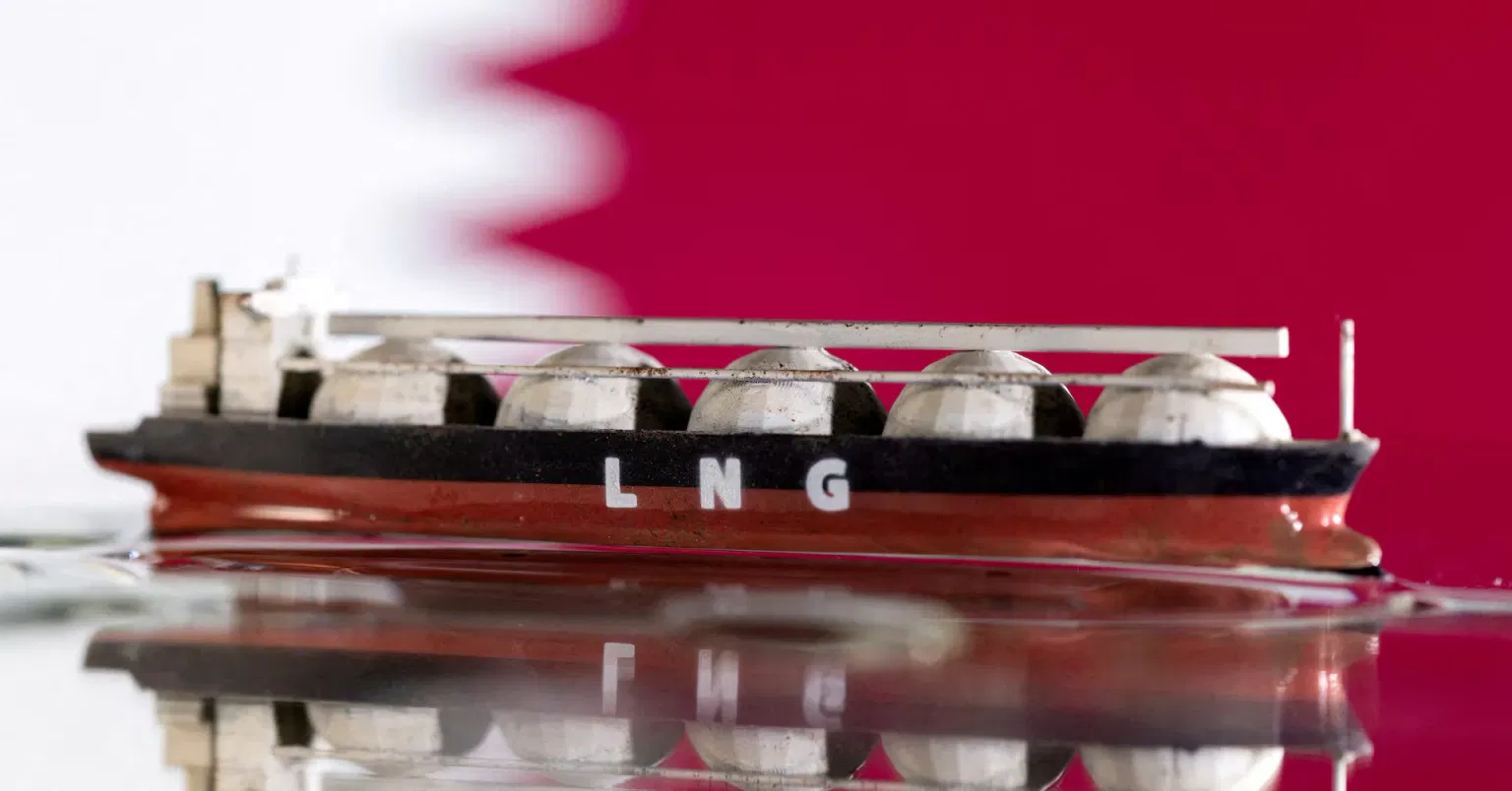
Qatar, the world's third-largest LNG exporter, has abruptly halted liquefied natural gas production after Iranian drone attacks targeted its key facilities at Ras Laffan and Mesaieed Industrial City, sending European gas prices soaring by as much as 45% in Monday trading. The sudden shutdown removes approximately 20% of global LNG supply from the market and threatens to destabilize energy markets already grappling with tight supplies and geopolitical tensions.
How the Attacks Unfolded: Inside Qatar's LNG Production Halt
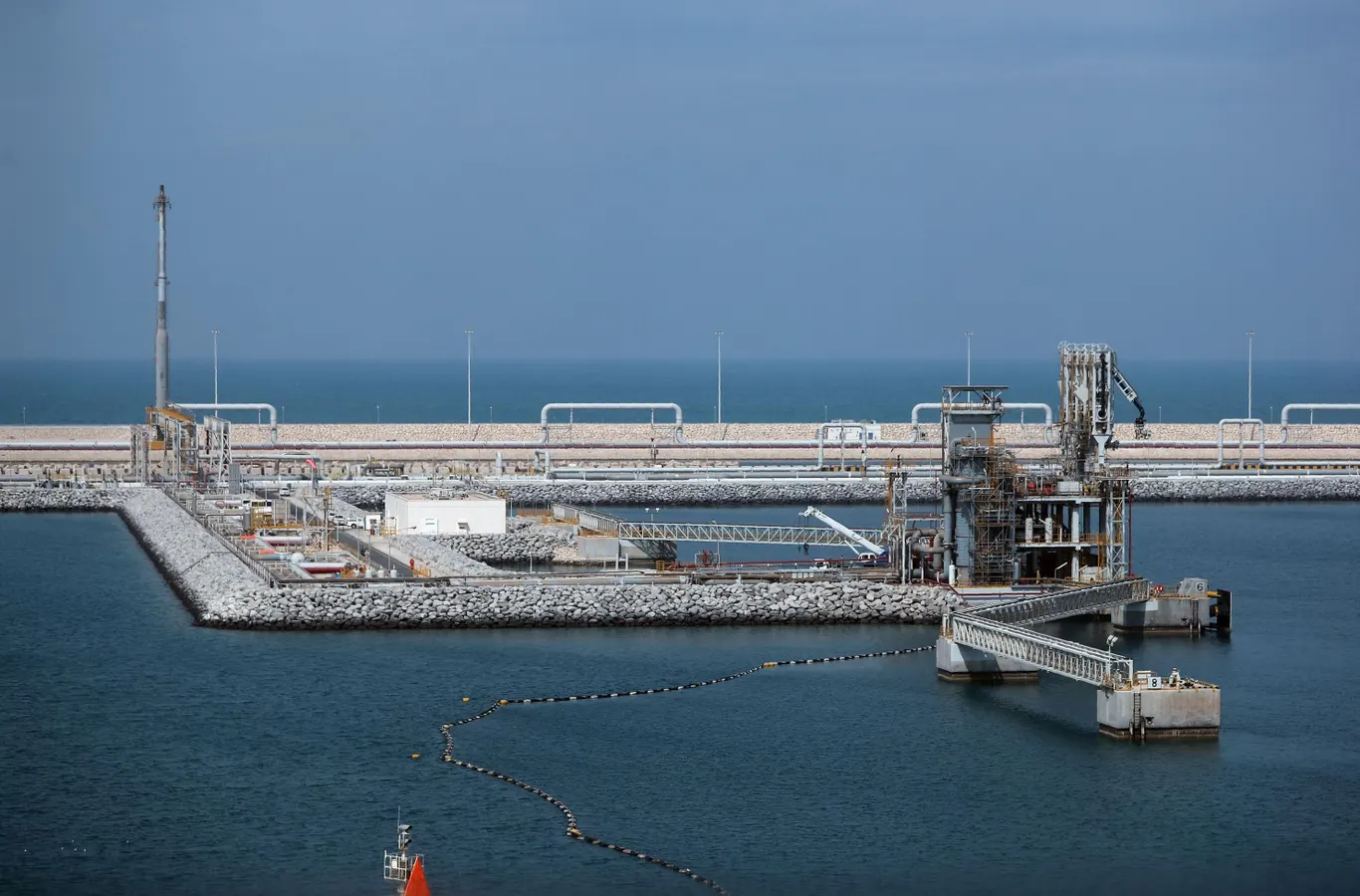
QatarEnergy, the state-owned energy giant, announced on Monday afternoon that it had ceased production of liquefied natural gas and associated products following military attacks on its operating facilities. The attacks, which involved Iranian drones, struck two of Qatar's most critical industrial hubs: Ras Laffan Industrial City and Mesaieed Industrial City.
"Due to military attacks on QatarEnergy's operating facilities in Ras Laffan Industrial City and Mesaieed Industrial City in the State of Qatar, QatarEnergy has ceased production of liquefied natural gas (LNG) and associated products," the company said in a statement. The facilities are central to Qatar's North Field gas reservoir, the world's largest non-associated natural gas field.
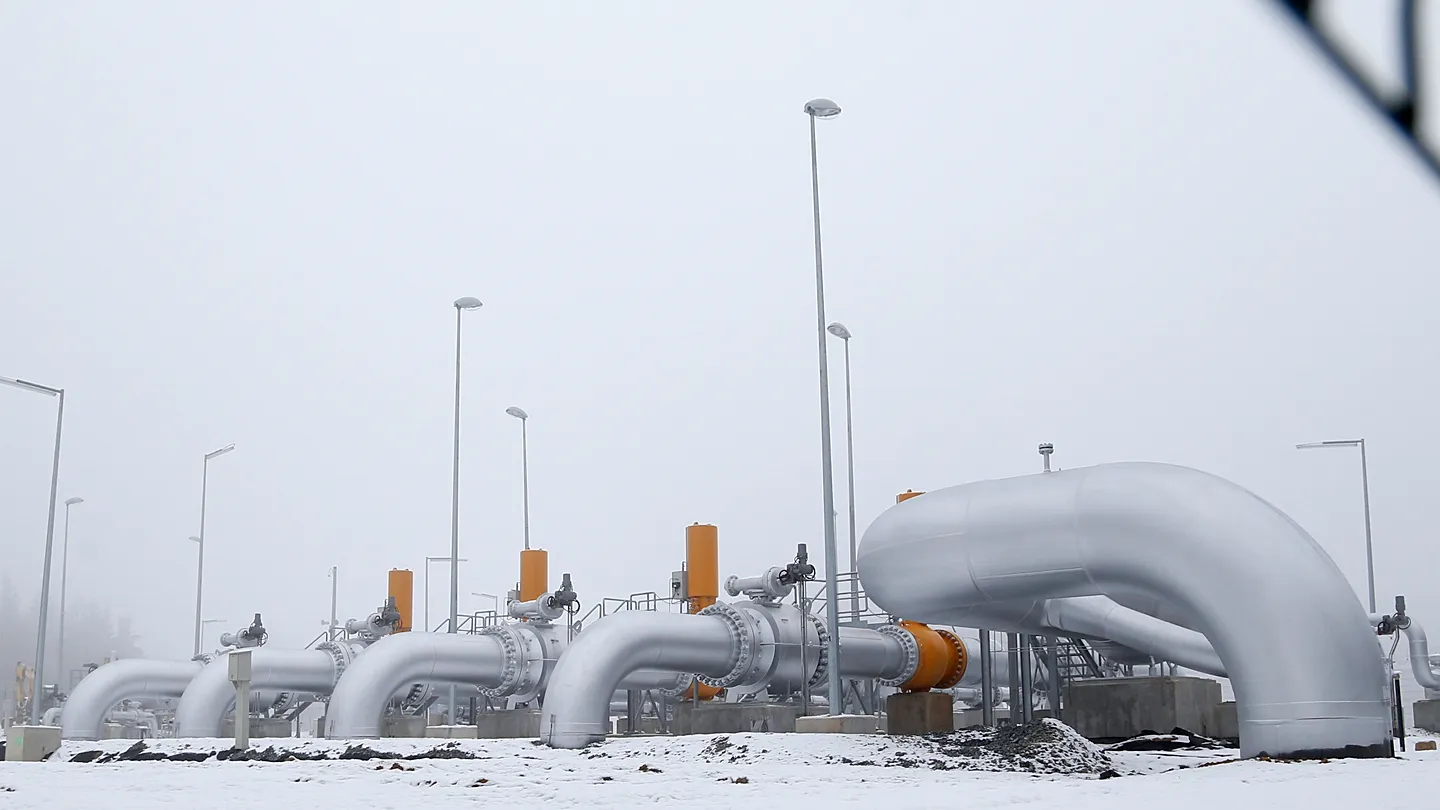
The benchmark European gas price, traded on the Dutch TTF hub, rose by as much as 45% to around €46 per megawatt-hour in early afternoon trading. UK natural gas prices also surged, with the NBP benchmark climbing sharply in tandem with continental markets. High market volatility has driven sharp minute-by-minute swings as traders assess the duration and scale of the disruption.
Timeline: How the Crisis Developed Over 48 Hours
The current escalation began over the weekend when US and Israeli strikes targeted Iranian leadership, heightening tensions across the Middle East. By Sunday, satellite data showed that oil tanker transit through the Strait of Hormuz had virtually halted as shipping companies took precautionary measures.
On Monday morning, Iranian drones struck Qatar's industrial facilities, prompting QatarEnergy to announce the production halt by early afternoon. Within hours, European gas prices had spiked 45%, reflecting market panic about potential prolonged disruption. By Monday evening, analysts were warning that any sustained closure of the Strait of Hormuz could have catastrophic consequences for global energy supplies.
Why This Matters: Expert Analysis and Market Impact
The interruption of Qatari LNG exports comes at a particularly vulnerable time for global energy markets. "The US/Israeli strike on Iran's leadership raises geopolitical tension to heights reminiscent of Russia's invasion of Ukraine four years ago," said Alan Gelder, SVP Refining, Chemicals & Oil Markets at Wood Mackenzie. "Beyond the conflict itself, any disruption to oil and LNG exports through the Strait of Hormuz have huge implications for energy prices and the global economy."
Maurizio Carulli, global energy analyst at Quilter Cheviot, noted that "about 20% of global oil supply transits through the Strait of Hormuz and 38% of seaborne crude oil trade." He added that shipping companies are unlikely to send vessels through the strait until "the military situation de-escalates" due to risks of ship damage, seizures, and temporary unavailability of insurance coverage.
For Europe, the timing couldn't be worse. Gas storage across the European Union is currently below 30% capacity as the winter heating season draws to a close, compared with around 40% at the same point last year. Germany's gas storage facilities were 20.5% full as of Saturday, while France's stood at 21%, according to data from Gas Infrastructure Europe. These lower reserves leave countries more vulnerable to supply disruptions and price volatility.
Where Things Stand Now: Latest Market Developments
As of Monday evening, QatarEnergy had not provided further details about the extent of the damage to its facilities or how long production would remain halted. Market analysts are closely monitoring the situation, with some suggesting that even a short-term disruption could have lasting price effects given current market tightness.
European governments have begun emergency consultations to assess their energy security positions. The European Commission is reportedly considering activating crisis measures under the EU's security of supply regulation if the situation deteriorates further. Meanwhile, Asian LNG buyers are already exploring alternative supply sources, which could increase global competition for available cargoes and push prices higher worldwide.
What Happens Next: The Road Ahead for Energy Markets
The immediate future depends on several factors: the duration of the production halt, the extent of damage to Qatar's facilities, and whether the conflict escalates further. If the Strait of Hormuz remains effectively closed for an extended period, the global energy system could face its most severe supply crisis since the 1970s oil embargoes.
For investors, the situation presents both risks and opportunities. Energy sector equities, particularly LNG-focused companies, may see increased volatility. Commodity traders will need to navigate extreme price swings, while long-term investors might consider the implications for energy transition timelines and alternative energy investments.
Qatar's massive LNG expansion plans add another layer to the story. Before the attacks, QatarEnergy was pushing forward with its North Field West expansion project, which would increase the nation's total LNG export capacity from 77 million tons per annum to 142 MTPA. This expansion would give Qatar nearly 25% of the global LNG market by 2030, intensifying competition with US and Australian exporters.
The Bottom Line: Key Points for Investors
- Qatar's LNG production halt removes 20% of global supply, causing immediate 45% price spikes in European gas markets.
- The Strait of Hormuz disruption threatens 20% of global oil shipments, with shipping companies already avoiding the route.
- Europe enters this crisis with gas storage below 30% capacity, increasing vulnerability to supply shocks.
- Long-term implications include potential acceleration of energy diversification and increased investment in alternative energy sources.
- Qatar's planned LNG expansion positions it to control 25% of the global market by 2030, reshaping competitive dynamics.