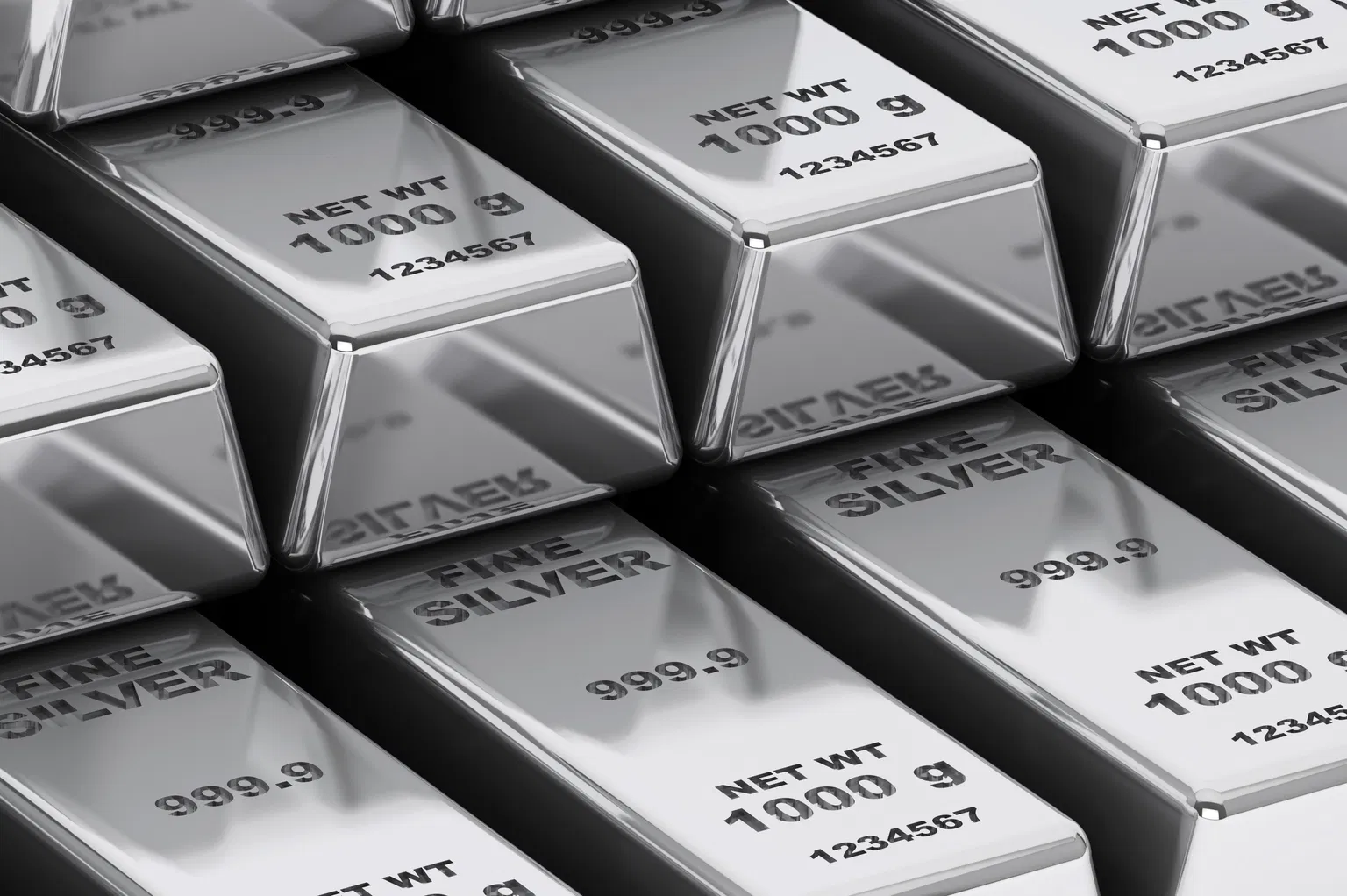
Silver prices swung violently in the final days of 2025, plunging 6.5% to $72.15 per ounce on December 29 after touching a record high above $82.65 earlier the same day. The sudden drop, which also saw gold fall more than 4%, came after the Chicago Mercantile Exchange raised margin requirements for precious metals contracts, forcing traders to post more collateral and triggering a wave of selling. This dramatic move capped a year in which silver more than doubled in value, rising from around $30 per ounce at the start of 2025 to approximately $70 per ounce, as a combination of Federal Reserve rate-cut expectations, soaring industrial demand, and persistent supply shortages fueled one of the strongest rallies in the metal’s history.
How the Silver Rollercoaster Unfolded: Inside the Market’s Wild Week
The week of December 29 began with silver futures trading near all-time highs, buoyed by a broad rally in precious metals that had lifted gold, platinum, and palladium as well. Investors had been piling into non-yielding assets ahead of an expected Federal Reserve interest-rate cut, while a weaker U.S. dollar and ongoing geopolitical tensions added to silver’s safe-haven appeal. But the rally came to an abrupt halt when CME Group announced it would increase margin requirements for precious metals contracts, a move that took effect Monday and forced traders to deposit additional funds to cover their positions. “Higher margin requirements force traders to add money to accounts that insure against default when accepting physical delivery on a futures contract,” explained Investopedia’s markets team. The result was a swift sell-off that saw silver futures sink 6.5% to $72.15 an ounce and gold drop more than 4% to around $4,350.
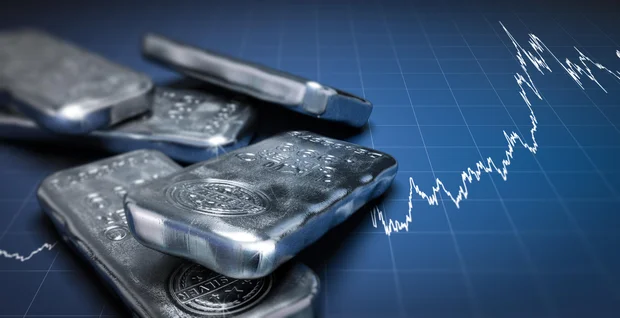
Behind the margin-induced drop lies a deeper story of a market caught between explosive investment demand and tight physical supply. Silver inventories at major exchanges like the Shanghai Futures Exchange hit their lowest levels since 2015, while lease rates and borrowing costs have risen sharply—signs that securing physical metal has become increasingly difficult. “Right now, the market is characterized by real physical scarcity: global demand is outpacing supply, India’s buying has drained London stocks, and ETF inflows are tightening things even more,” said Julia Khandoshko, CEO of broker Mind Money, in an interview with the Investing News Network.
Timeline: How Silver Went from $30 to Record Highs in 12 Months
Silver’s journey through 2025 can be broken down into three distinct phases. The year began with the metal trading around $30 per ounce, a level that had held for much of 2024. In the first quarter, prices began to climb as inflation data remained stubbornly above the Fed’s 2% target and central banks, led by China and India, accelerated their gold purchases—a move that often spills over into silver. By mid-year, silver had broken above $40, supported by growing industrial consumption from the solar and electric‑vehicle sectors.
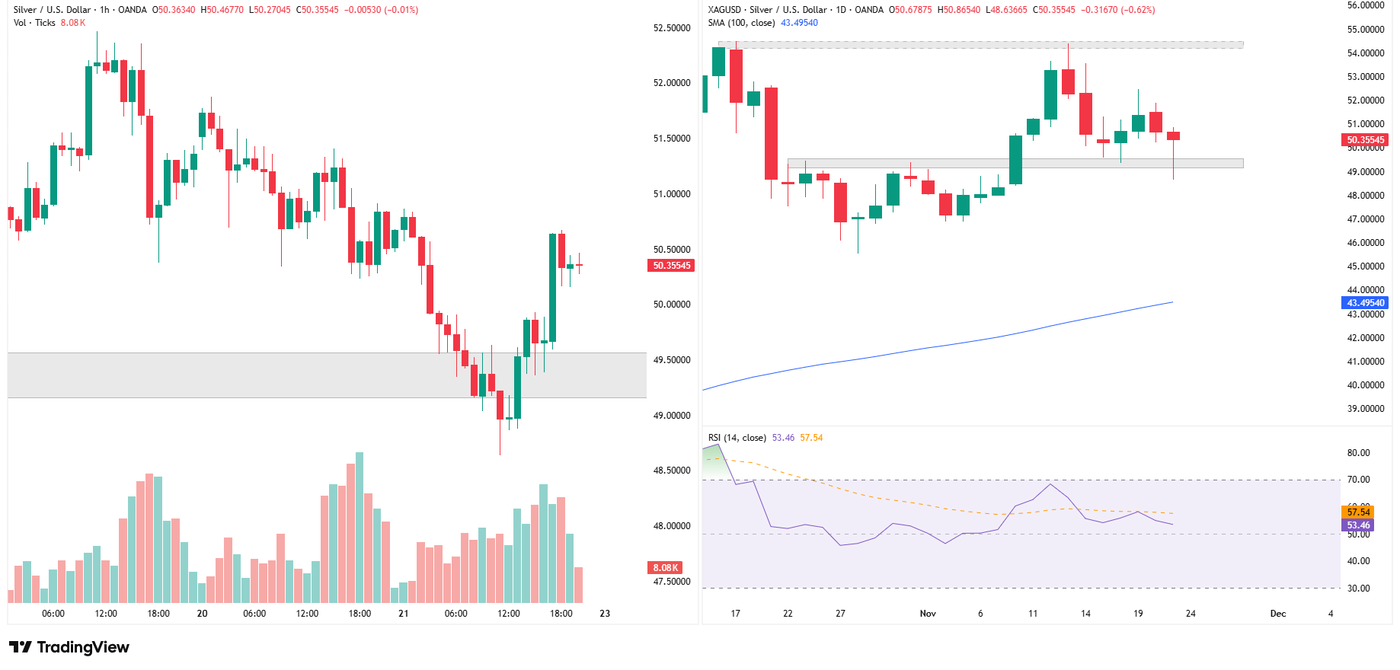
The third quarter saw the rally accelerate. In September, silver crossed $50 for the first time since 2012, and by early December it had surged past $60 after the Fed signaled it would cut rates in December. “Investors tend to move money into precious metals like gold and silver as interest rates come down and the U.S. dollar weakens,” noted the BBC. The peak arrived in the final weeks of the year, with silver briefly exceeding $82 per ounce on December 29 before the CME margin hike triggered the sharp correction. Over the full year, silver’s gain of more than 100% dramatically outpaced gold’s roughly 60% advance.
Why Silver Matters Now: Expert Analysis on the Metal’s Perfect Storm
Three powerful forces are converging to keep silver in the spotlight: monetary policy, industrial demand, and structural supply constraints. On the monetary front, the Federal Reserve’s pivot toward rate cuts has reduced the opportunity cost of holding non‑yielding assets. “When interest rates are cut, traders typically buy assets like silver because the benefits of keeping cash in the bank or buying short‑term bonds falls,” said Yeow Hwee Chua of Nanyang Technological University. At the same time, the U.S. dollar has weakened, making dollar‑denominated commodities cheaper for overseas buyers.
Industrial demand, however, is the real game‑changer. Silver is a critical component in solar panels, electric‑vehicle electronics, and AI data centers—sectors that are expanding rapidly. “The growing focus on renewable energy, especially solar panels, has also boosted silver demand worldwide,” said Alex Tsepaev, chief strategy officer at B2PRIME Group. The Silver Institute projects that industrial consumption will hit a new record in 2025, driven largely by solar installations, which use about 100 million ounces of silver annually. Meanwhile, supply is struggling to keep up. About 75% of silver is mined as a by‑product of other metals, such as copper and zinc, meaning higher silver prices alone won’t quickly bring more metal to market. Metal Focus forecasts a fifth consecutive annual supply deficit in 2025, totaling 63.4 million ounces.
Investment demand has magnified the scarcity. Exchange‑traded funds (ETFs) backed by physical silver have absorbed about 130 million ounces in 2025, lifting total holdings to roughly 844 million ounces—an 18% increase, according to Saxo Bank data. Retail investors, particularly in India, have turned to silver jewelry and bars as a more affordable alternative to gold, while institutional players have increased allocations to precious metals as a hedge against inflation and currency depreciation.
Where Things Stand Now: The Latest on Silver Prices and Market Sentiment
As of the end of December 2025, silver is trading around $72–$73 per ounce, down from its peak but still more than double its price at the start of the year. The immediate focus is on the Federal Reserve’s December meeting, where a quarter‑point rate cut is widely anticipated. “Fed rate‑cut expectations surge: probability of a December 2025 rate cut jumped from 39% to nearly 70% in one day,” reported MarketPulse. Any dovish signal from the Fed could reignite buying, while a more cautious stance might prolong the recent pullback.
Physical market indicators remain tight. Lease rates for silver have climbed, and premiums for immediate delivery over futures contracts are elevated, suggesting that spot metal is in short supply. Inventories at the Shanghai Futures Exchange are at multi‑year lows, and reports from mints indicate strong retail demand for silver coins and small bars. “The market is characterized by real physical scarcity,” repeated Julia Khandoshko, underscoring that the current deficit is not just a paper‑market phenomenon.
What Happens Next: The Road Ahead for Silver in 2026
Looking into 2026, experts see a continued tight balance between supply and demand, with prices likely to remain volatile. Peter Krauth of Silver Stock Investor views $50 as a new floor and gives a “conservative” forecast of silver in the $70 range for 2026. Citigroup also expects silver to outperform gold and reach upwards of $70, especially if industrial fundamentals hold. More bullish projections come from Frank Holmes of U.S. Global Investors and Clem Chambers of aNewFN.com, who both see silver hitting $100 per ounce in 2026, driven by relentless investment inflows and sustained industrial offtake.
Risks, however, are present. A global economic slowdown could dampen industrial consumption, while a sudden shift toward Federal Reserve rate hikes would increase the opportunity cost of holding silver. “If inflation cools and rates stay high for too long, silver prices will lag,” warned Henry Yoshida, CFP and CEO of Rocket Dollar. Investors should also monitor ETF flows, Indian import data, and any widening price gaps between trading hubs, which could signal further supply stress.
The Bottom Line: Key Points Every Investor Should Remember
Silver’s wild ride in 2025 highlights its dual role as both a monetary metal and an industrial commodity. The key takeaways for investors are clear: First, silver remains highly sensitive to Federal Reserve policy and real interest rates. Second, structural supply deficits are likely to persist because mine production cannot quickly respond to higher prices. Third, industrial demand from solar, EVs, and AI infrastructure provides a long‑term tailwind that distinguishes silver from pure precious metals like gold. Finally, volatility is inherent to the silver market—sharp corrections can follow rapid rallies, making position sizing and risk management essential. As 2026 approaches, silver stands at a crossroads, pulled by monetary forces and propelled by technological needs, offering both opportunity and risk for those who understand its unique drivers.