
Elon Musk's SpaceX is poised to make financial history with what could become the largest initial public offering ever recorded. According to recent reports, the space exploration company is targeting a staggering $1.75 trillion valuation and aims to raise up to $75 billion—a figure that would nearly triple Saudi Aramco's 2019 record. As speculation intensifies, investors are scrambling to understand the implications of this landmark event that could reshape both the space industry and public markets.
The $1.75 Trillion Question: Inside SpaceX's Historic IPO Move
SpaceX's proposed valuation would place it among the top six most valuable U.S. companies, trailing only tech giants like Apple, Microsoft, and Nvidia. The $75 billion capital raise would shatter previous records and demonstrate unprecedented investor appetite for space technology. According to Quartz, five major Wall Street institutions—Bank of America, Citigroup, Goldman Sachs, JPMorgan Chase, and Morgan Stanley—have been selected to manage the transaction, though their specific roles remain undefined.

The Financial Times reported that company executives recently expanded their initial $50 billion fundraising target by an additional $25 billion during a Wednesday meeting with backers. Less than 5% of SpaceX's total shares would be offered in the IPO, maintaining tight control for existing stakeholders while still creating massive liquidity. Regulatory paperwork could be filed as soon as this week, potentially setting up a June trading debut.
From 2002 to 2026: SpaceX's Journey to the Public Markets
Founded in 2002 with the goal of making space travel more affordable, SpaceX has achieved numerous milestones that have transformed the aerospace industry. The company became the first private entity to send a liquid-fueled rocket into orbit (2008), deliver cargo to the International Space Station (2012), and launch NASA astronauts (2020). Today, SpaceX operates the world's most active launch system while simultaneously building Starlink—a global satellite internet constellation with approximately 8 million subscribers.
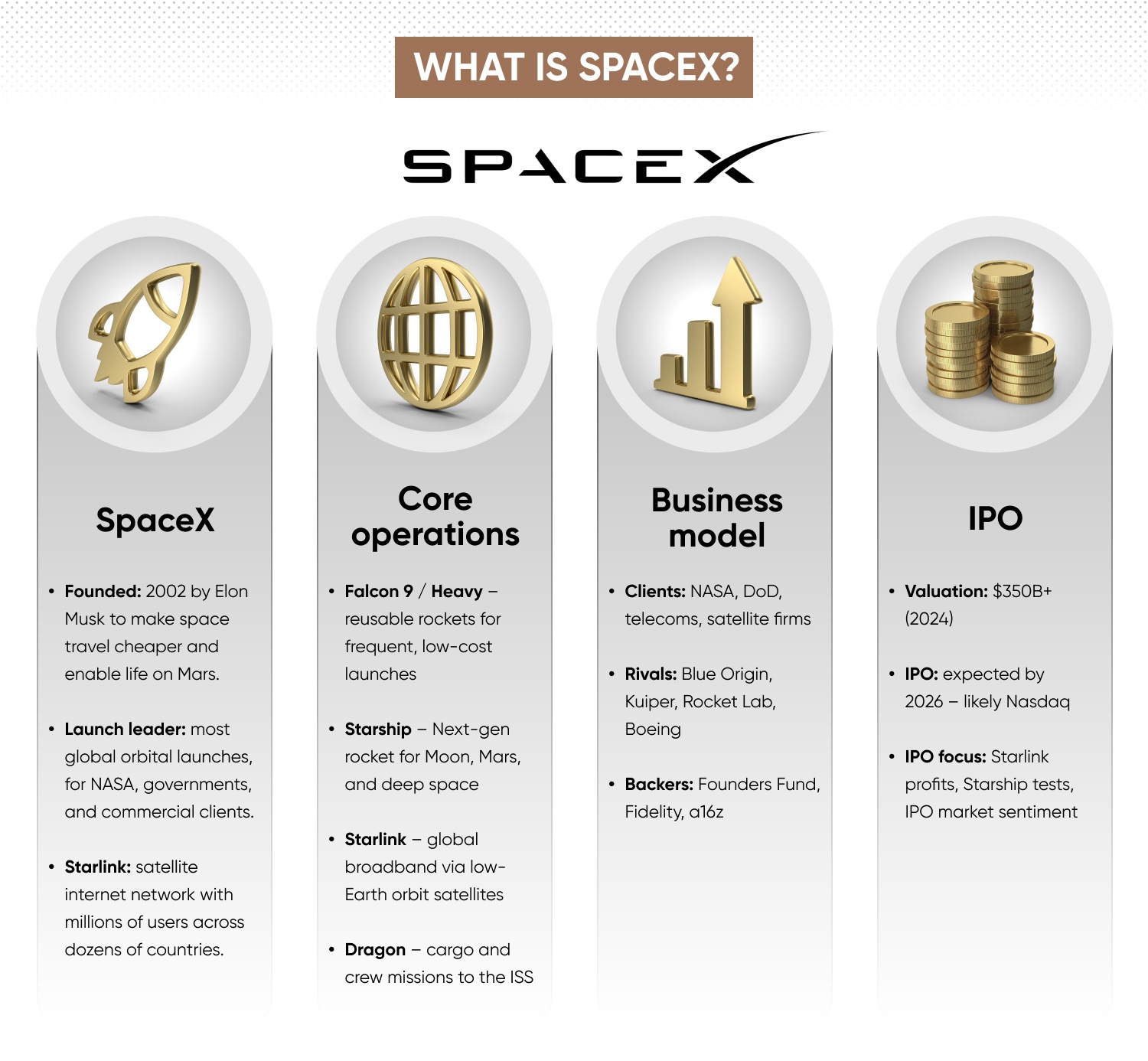
The road to this IPO has been carefully paved through multiple funding rounds and strategic acquisitions. In February 2026, SpaceX completed an all-stock buyout of xAI, consolidating Elon Musk's artificial intelligence projects with the company's space operations. This merger, along with Starlink's rapid expansion, has created a diversified technology conglomerate that investors are eager to access through public markets.
Why This IPO Could Reshape the Space Industry
SpaceX's public debut would represent more than just a financial transaction—it could fundamentally alter how space technology is funded and valued. The company's reusable rocket technology has already dramatically reduced launch costs, while Starlink generates recurring revenue from broadband subscriptions across 150 countries. According to Capital.com, SpaceX may generate around $15 billion in revenue in 2025, rising to $22-24 billion in 2026, with Starlink contributing most of the growth.
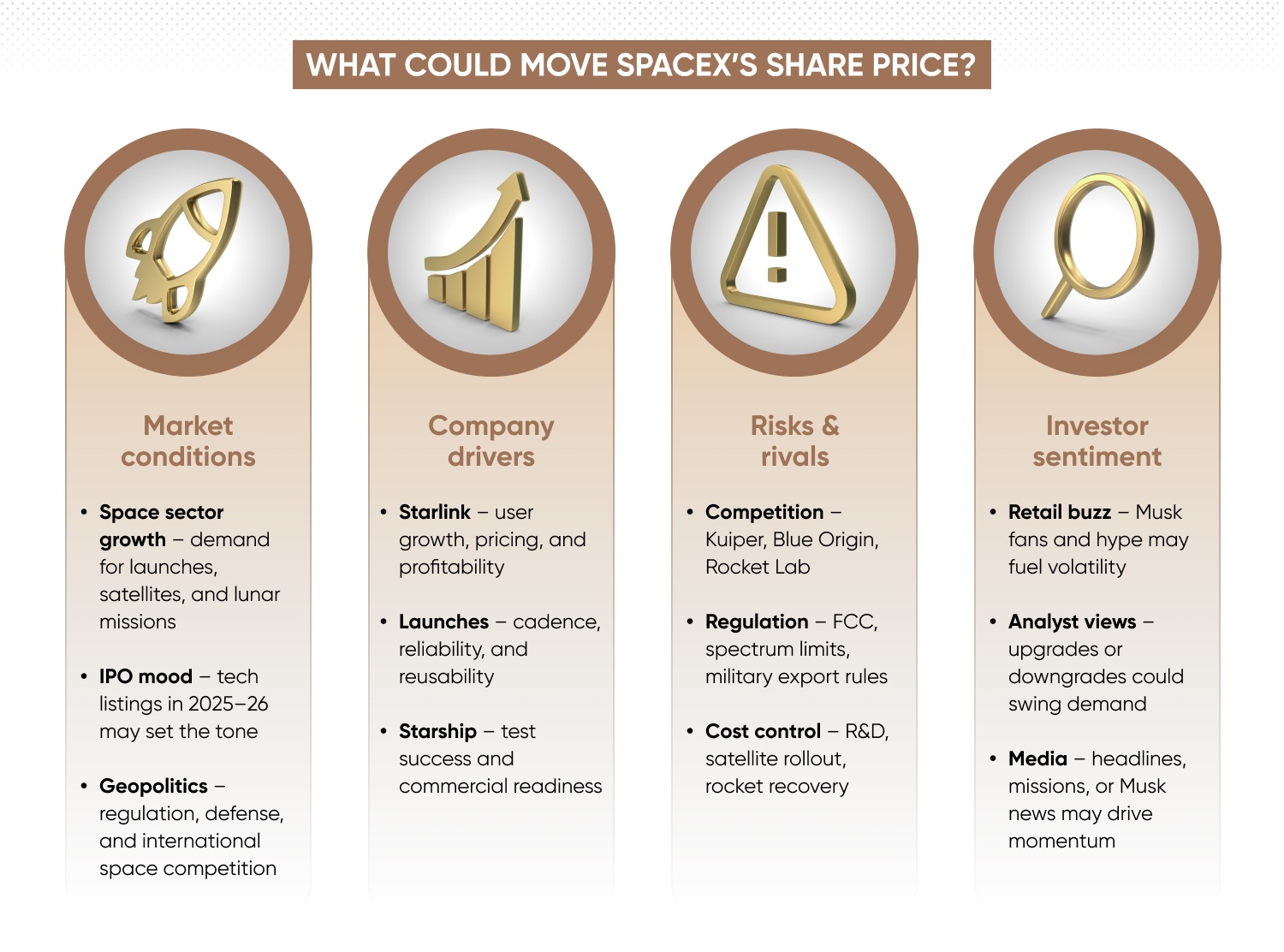
The IPO's success would likely trigger increased investment in competing space ventures and accelerate the commercialization of low-Earth orbit. "SpaceX's valuation sets a new benchmark for the entire industry," noted financial analysts. "At $1.75 trillion, the company would be worth more than the combined market capitalization of all other publicly traded aerospace companies." The offering could also pave the way for future space infrastructure projects, including lunar bases, Mars missions, and orbital data centers.
Where Things Stand: Filing Imminent or Not?
Despite optimistic reports from The Information suggesting a filing could occur this week, prediction markets tell a different story. Seeking Alpha reports that betting platforms like Kalshi price only a 30% chance of an imminent IPO filing, indicating skepticism among sophisticated investors. This divergence highlights the uncertainty surrounding SpaceX's exact timing, which depends on regulatory approvals, market conditions, and internal preparation.
SpaceX has not confirmed any official IPO date, and the company maintains its characteristic secrecy around financial matters. However, sources close to the deal indicate that preparations have accelerated in recent months, with internal equity transactions and cap table adjustments suggesting public-market readiness. The Securities and Exchange Commission's review process typically takes eight weeks, meaning a filing in late March could lead to a June trading debut if all proceeds smoothly.
The Road Ahead: What Investors Should Watch
Several key factors will determine SpaceX's IPO success and post-listing performance. Starlink's subscriber growth remains critical—the service needs to maintain its current pace of adding approximately 500,000 new users monthly to justify its valuation premium. Regulatory approvals for satellite spectrum allocation and international expansion will also influence investor sentiment.
Elon Musk's unconventional approach to the offering may include allocating up to 30% of shares to individual investors, according to Reuters sources. This retail-friendly strategy could create unprecedented public participation but also increase volatility. Additionally, watch for lock-up provisions—the Financial Times reports that SpaceX is considering scrapping the traditional six-month freeze on insider sales or implementing a graduated release system.
The Bottom Line: Key Points to Remember
- SpaceX targets a $1.75 trillion valuation—potentially the largest IPO in history
- The company aims to raise $75 billion, nearly triple Saudi Aramco's 2019 record
- Five major banks are managing the transaction: Bank of America, Citigroup, Goldman Sachs, JPMorgan Chase, and Morgan Stanley
- Starlink's 8 million subscribers form the foundation of SpaceX's revenue growth
- Prediction markets suggest cautious timing, with possible June 2026 trading debut
- Elon Musk may allocate 30% of shares to individual investors
As SpaceX prepares to transition from private pioneer to public giant, investors should monitor regulatory filings, market conditions, and Starlink's performance metrics. This IPO represents not just an investment opportunity but a watershed moment for the commercialization of space—one that could define the next era of technological innovation.