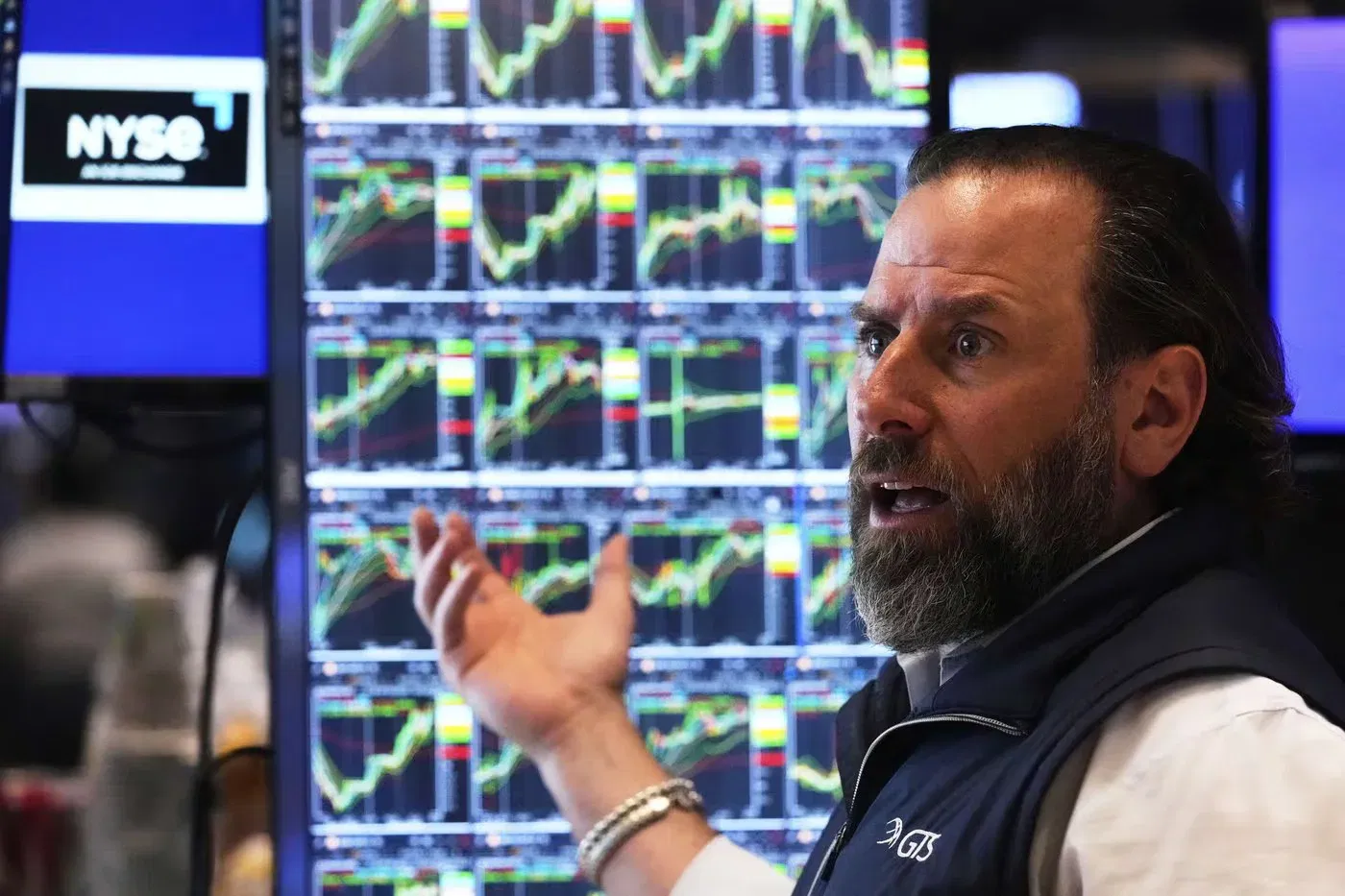
U.S. stock markets tumbled on Tuesday, April 7, 2026, as investors faced a stark reality: President Donald Trump’s deadline for Iran to reopen the Strait of Hormuz was just hours away, and hopes for a diplomatic breakthrough were evaporating. The Dow Jones Industrial Average fell 0.7%, the S&P 500 dropped 0.8%, and the tech‑heavy Nasdaq Composite lost 1.2%, wiping out Monday’s gains and extending a volatile week driven by Middle East fears. With oil prices surging above $110 a barrel and safe‑haven assets rallying, Wall Street braced for a potential escalation that could reshape global markets for months to come.
How the Sell‑Off Unfolded: Inside Tuesday’s Market Rout
The day began with futures already in the red. According to Investopedia, Dow futures were down about 0.4% in pre‑market trading, signaling nervousness ahead of the opening bell. When markets opened at 9:30 a.m. ET, the Dow initially showed a modest gain of 74.9 points (0.16%), as reported by Investing.com, but that resilience quickly faded. Within the first hour, selling pressure intensified as headlines crossed that Iran had rejected a last‑minute ceasefire proposal. By mid‑morning, the Dow had turned negative, and the slide accelerated throughout the session.
Investor’s Business Daily noted that the Dow’s 0.7% decline followed a 0.6% rise on Monday, highlighting the whipsaw nature of recent trading. The S&P 500 gave back 0.8%, with energy stocks paradoxically underperforming despite higher oil prices—a sign that investors fear demand destruction from a broader conflict. The Nasdaq, home to many growth and technology names, fared worst, losing 1.2% as higher interest‑rate expectations and geopolitical uncertainty punished valuation‑sensitive sectors.
Timeline: How the Iran Deadline Crisis Escalated
The current market turmoil didn’t emerge overnight. Here’s a chronological look at the key events that brought investors to this precipice:
- March 26, 2026 – Trump issues an ultimatum: Iran must reopen the Strait of Hormuz, a vital oil‑shipping chokepoint, within two weeks or face “devastating” strikes on its infrastructure.
- April 3, 2026 – Iran responds by conducting naval exercises near the strait, raising fears of a direct confrontation with U.S. forces.
- April 6, 2026 (Monday) – Stocks rally modestly on rumors of behind‑the‑scenes negotiations; the Dow closes up 0.6%.
- April 7, 2026 (Tuesday, 5:00 a.m. ET) – Reuters reports that U.S. intelligence indicates Iran is preparing to mine the strait if attacked.
- April 7, 2026 (10:00 a.m. ET) – The White House confirms the deadline remains 8 p.m. ET; Trump tweets, “If they don’t open it, we will destroy their power plants and bridges.”
- April 7, 2026 (1:30 p.m. ET) – Oil prices jump 4% to $112 per barrel; equity markets extend losses.
- April 7, 2026 (3:00 p.m. ET) – The Dow hits its intraday low, down 1.1%, before a slight recovery into the close.
This sequence underscores how geopolitical headlines have become the dominant market driver, overwhelming traditional fundamentals like earnings and economic data.
Why This Crisis Matters: Expert Analysis and Market Impact
Financial analysts are unanimous in their assessment: the Strait of Hormuz is not just another geopolitical flashpoint. “About 20% of the world’s oil passes through that narrow waterway,” explained energy strategist Maria Chen of BNN Bloomberg. “A closure—or even a sustained threat of closure—could add $30‑$40 to oil prices overnight, triggering global stagflation.” That fear is already manifesting: Brent crude surged past $110 on Tuesday, its highest level since the early days of the Iran war in 2025.
For equity investors, the implications are twofold. First, higher oil prices act as a tax on consumers and businesses, squeezing profit margins and potentially delaying Federal Reserve rate cuts. Second, uncertainty itself dampens animal spirits. “When investors can’t quantify the risk, they tend to sell first and ask questions later,” noted David Lin, chief market strategist at Investopedia. “We’re seeing classic risk‑off behavior: stocks down, Treasuries up, gold rising.” Indeed, the 10‑year Treasury yield fell 8 basis points to 4.12%, while gold climbed 1.5% to $4,680 an ounce.
The sectoral damage was widespread. Technology stocks, sensitive to higher discount rates, led the decline. Apple fell 3.7%, Microsoft dropped 2.1%, and NVIDIA lost 4.2%. Financials also suffered, with JPMorgan Chase down 1.8% and Bank of America off 2.3%. The sole bright spot was UnitedHealth Group, which rose 3.4% after beating earnings estimates—a reminder that idiosyncratic stories can still shine amid broad market stress.
Where Things Stand Now: Latest on the Market and Deadline
As of 5:00 p.m. ET on Tuesday, the deadline is just three hours away. The White House has given no indication of a postponement, and Iranian state media continues to broadcast defiant rhetoric. In the markets, futures for the Dow, S&P 500, and Nasdaq are all trading lower, suggesting Wednesday could open with another leg down.
The CBOE Volatility Index (VIX), often called Wall Street’s “fear gauge,” spiked 22% to 28.6, its highest level in six weeks. Option traders are pricing in a 70% chance of a 2% or greater drop in the S&P 500 over the next week, according to data from CNBC TV18. Meanwhile, the U.S. dollar index strengthened 0.5%, reflecting its traditional safe‑haven role during global crises.
Investors are also closely watching the bond market. The yield curve (the spread between 2‑year and 10‑year Treasury yields) flattened further, a signal that traders expect slower growth ahead. “The curve is telling you that the probability of a recession in the next 12‑18 months has risen,” said fixed‑income analyst Sarah Goldberg. “If the Iran situation spirals, all bets are off.”
What Happens Next: The Road Ahead for Investors
The immediate future hinges on two scenarios. In the first, Iran blinks at the last minute and agrees to reopen the strait, perhaps in exchange for sanctions relief. That would trigger a powerful relief rally, likely lifting stocks 3‑5% in a single session and pulling oil back below $100. The second scenario—a U.S. strike on Iranian infrastructure—would almost certainly send oil above $130 and stocks into a tailspin, potentially erasing another 5‑10% of market capitalization.
Longer term, experts advise investors to stay disciplined. “Geopolitical shocks are unpredictable, but they tend to be short‑lived in market terms,” reminded veteran strategist James O’Donnell. “The key is not to panic‑sell at the bottom. Have a plan, stick to your asset allocation, and use volatility as an opportunity to add quality names at a discount.”
For those looking to hedge, traditional safe havens like gold, long‑duration Treasuries, and the Swiss franc remain in favor. Some analysts also recommend overweighting energy stocks, which could benefit from sustained high oil prices, and defense contractors, which might see increased demand in a more militarized world.
The Bottom Line: Key Points to Remember
- The Dow, S&P 500, and Nasdaq all fell sharply on Tuesday as President Trump’s deadline for Iran to reopen the Strait of Hormuz approached.
- Oil prices surged above $110 per barrel, adding to inflationary fears and pressuring consumer‑sensitive sectors.
- Market volatility spiked, with the VIX jumping 22%, reflecting extreme investor uncertainty.
- The sell‑off was broad‑based, but UnitedHealth Group bucked the trend on strong earnings.
- Investors should prepare for further turbulence in the coming days but avoid making emotional, reactionary portfolio changes.
As the clock ticks toward 8 p.m. ET, Wall Street holds its breath. The outcome of this high‑stakes geopolitical standoff will not only determine the near‑term direction of markets but could also redefine the investment landscape for the rest of 2026. Stay tuned for live updates and expert analysis as this critical story unfolds.