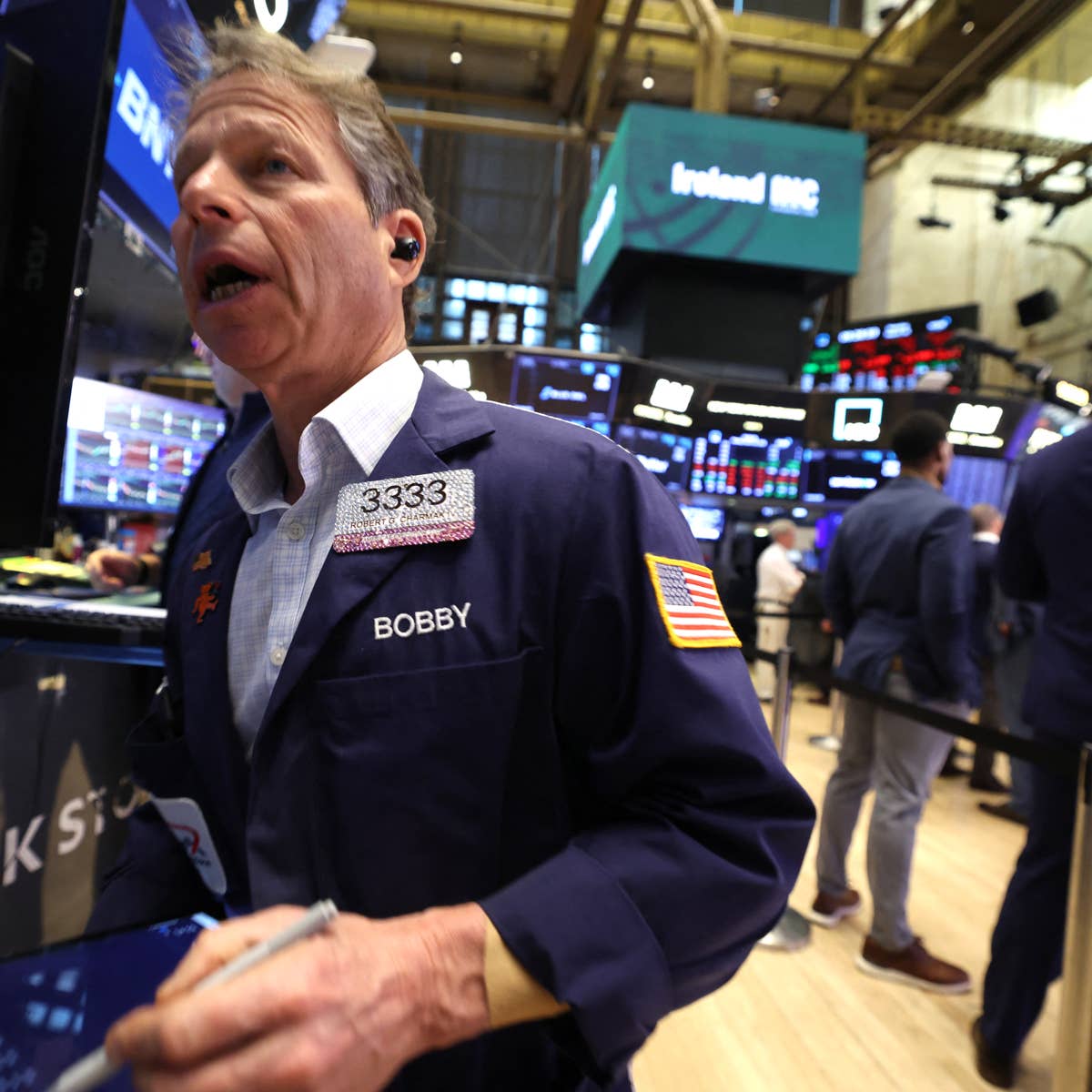
Stock markets and oil prices are locked in a delicate dance this week as investors grapple with the fallout from failed U.S.-Iran peace talks and a dramatic naval blockade of the Strait of Hormuz. While initial reactions sent oil prices soaring above $104 a barrel and triggered sharp declines in stock futures, hopes for renewed negotiations have since lifted equity markets and tempered energy prices. The International Monetary Fund has now entered the fray, warning that an escalation in the Middle East conflict could tip the global economy into recession and cutting its 2026 growth forecast to 3.1%.
How the Strait of Hormuz Blockade Unfolded
The weekend's dramatic developments began when U.S.-Iran talks aimed at reopening the strategic Strait of Hormuz ended without agreement. President Trump responded by announcing on his Truth Social platform that the U.S. Navy would begin "BLOCKADING any and all Ships trying to enter, or leave, the Strait of Hormuz." The President specifically cited Iran's reported laying of mines in the waterway and tolls charged for safe passage as extortion, declaring "Any Iranian who fires at us, or at peaceful vessels, will be BLOWN TO HELL!"
The U.S. Central Command confirmed late Sunday that it would implement a blockade "against vessels of all nations entering or departing Iranian ports and coastal areas" starting Monday. This escalation follows months of tension that began in February when the Iran conflict first disrupted oil tanker traffic through the strait, which handles about 20% of global oil shipments.
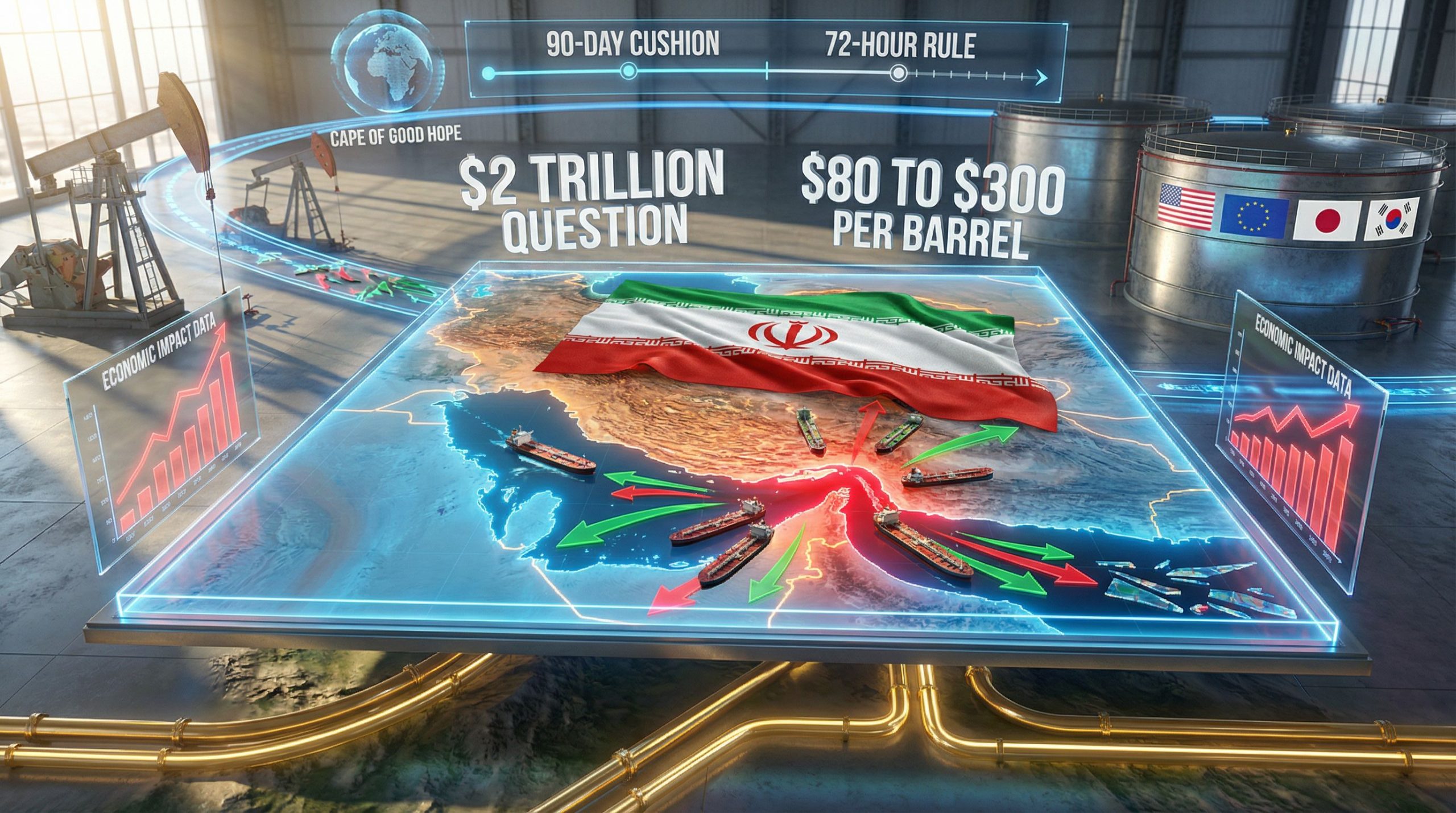
Financial markets reacted immediately to the news. Stock-market futures on Sunday evening pointed to significant declines, with the E-Mini Dow Continuous Contract falling 0.8%, the E-Mini S&P 500 Future sliding 0.5%, and the E-Mini Nasdaq 100 Index dropping 0.9%. West Texas Intermediate crude prices surged 8% to more than $104 a barrel, while the national average gasoline price in the U.S. reached $4.125 according to AAA.
Timeline: From Failed Talks to Market Turmoil
The sequence of events that led to today's market volatility began on Saturday, April 12, when U.S. and Iranian officials met for negotiations aimed at resolving the Strait of Hormuz standoff. By Sunday morning, it became clear that talks had failed, with neither side willing to compromise on key demands. President Trump's blockade announcement came shortly after noon Eastern Time on Sunday, sending shockwaves through global markets that were still trading in Asian and Middle Eastern sessions.
Sunday evening saw coordinated responses from financial institutions, with Citigroup's head of U.S. equity trading strategy Stuart Kaiser noting in a client memo: "Iran peace talks did not yield success, with President Trump planning a blockade of the Strait of Hormuz. That nonviolent escalation leaves room for more talks, but will likely push oil prices higher in the interim."
By Monday morning, the IMF had released its updated World Economic Outlook, downgrading global growth projections and warning of recession risks. Tuesday brought a partial recovery in stock markets as Pakistan emerged as a potential mediator for renewed U.S.-Iran talks, though oil prices remained elevated above $100 per barrel.
Why This Matters: Expert Analysis and Global Impact
The blockade of the Strait of Hormuz represents more than just another geopolitical flare-up—it strikes at the heart of global energy security and economic stability. "The resulting ripple effects go far beyond the region, affecting energy markets, maritime transport and global supply chains," according to a UNCTAD report published earlier this month. The strait serves as a critical chokepoint for oil exports from Saudi Arabia, Iraq, the United Arab Emirates, Kuwait, and Qatar.
The International Monetary Fund's intervention on Tuesday highlighted the broader economic stakes. IMF Chief Economist Pierre-Olivier Gourinchas stated: "The war has stopped that momentum, and we now project growth of 3.1% this year under our reference forecast, with inflation rising to 4.4%, a sharp departure from the previous trend." He added that the economic impact will be highly uneven across countries, hitting those in the conflict region, commodity-importing low-income economies, and emerging markets the hardest.
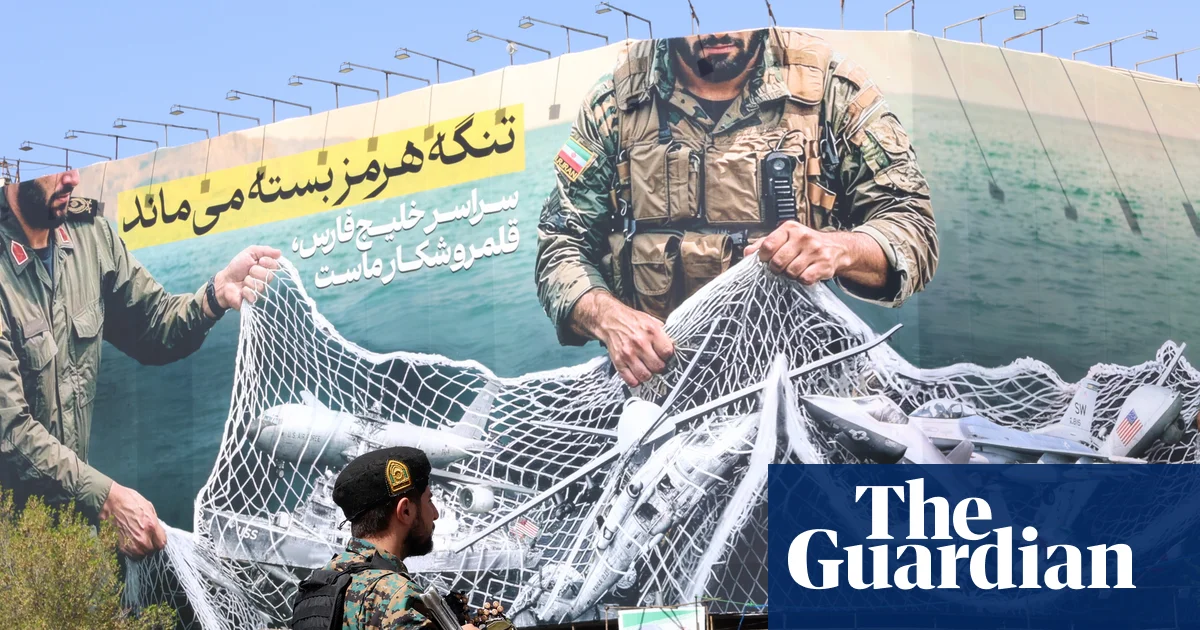
Energy analysts are particularly concerned about the potential for "demand destruction" if oil prices remain elevated. The International Energy Agency has predicted that sustained prices above $100 per barrel could begin to erode consumption, particularly in developing economies. However, the immediate effect has been a windfall for energy companies and producing nations, while consumers worldwide face higher transportation and heating costs.
Where Things Stand Now: Latest Market Developments
As of Tuesday afternoon, U.S. stock markets have shown remarkable resilience in the face of the geopolitical turmoil. The S&P 500 futures edged higher on hopes that Pakistan could arrange a second round of U.S.-Iran negotiations. Individual stocks reflected the mixed picture: shares of fintech Robinhood Markets surged in early trading, while Oracle and Coinbase also climbed. On the downside, Wells Fargo lost ground after posting disappointing first-quarter results.
Oil markets remain volatile, with West Texas Intermediate crude trading around $103 per barrel after reaching intraday highs above $104. The key question for traders is whether the blockade represents a temporary negotiating tactic or a longer-term disruption. U.S. officials are reportedly considering potential dates and locations for a possible second in-person meeting with Iranian officials before the current ceasefire expires next week, according to CNN sources.
Meanwhile, the broader economic indicators continue to flash warning signs. The IMF's downgraded growth forecast reflects concern that energy price spikes could reignite inflationary pressures just as central banks were considering easing cycles. Federal Reserve officials now face the difficult task of balancing growth concerns against potential resurgent inflation.
What Happens Next: The Road Ahead for Investors
The immediate future of markets depends heavily on diplomatic developments in the coming days. Pakistan's emergence as a potential mediator offers hope that a second round of talks could de-escalate tensions before the blockade causes severe economic damage. However, investors should prepare for continued volatility as the situation remains fluid.
Several key scenarios could unfold: If negotiations resume quickly and produce an agreement to reopen the strait, oil prices could retreat rapidly, providing relief to consumers and boosting equity markets. However, if the blockade persists for weeks or escalates into military confrontation, oil could test $120 per barrel or higher, potentially triggering a global recession as the IMF has warned.
For investors, this environment calls for careful portfolio positioning. Energy stocks may benefit from elevated prices, while transportation companies and consumer discretionary sectors could face headwinds. Defensive sectors like utilities and healthcare might offer stability, while Treasury bonds could see renewed demand as safe-haven assets.
The Bottom Line: Key Points to Remember
- The U.S. blockade of the Strait of Hormuz has pushed oil prices above $100 per barrel and created significant market uncertainty
- Stock markets initially fell but have recovered some ground on hopes for renewed U.S.-Iran negotiations
- The IMF has cut its 2026 global growth forecast to 3.1% and warned that escalation could trigger a recession
- Pakistan is attempting to arrange a second round of talks, which could determine whether the blockade is temporary or prolonged
- Investors should expect continued volatility and consider defensive positioning until the geopolitical situation clarifies
The interconnectedness of global markets means that developments in the Middle East quickly ripple through portfolios worldwide. While the immediate reaction has been dramatic, the longer-term impact will depend on whether diplomacy can prevail over confrontation in the critical days ahead.